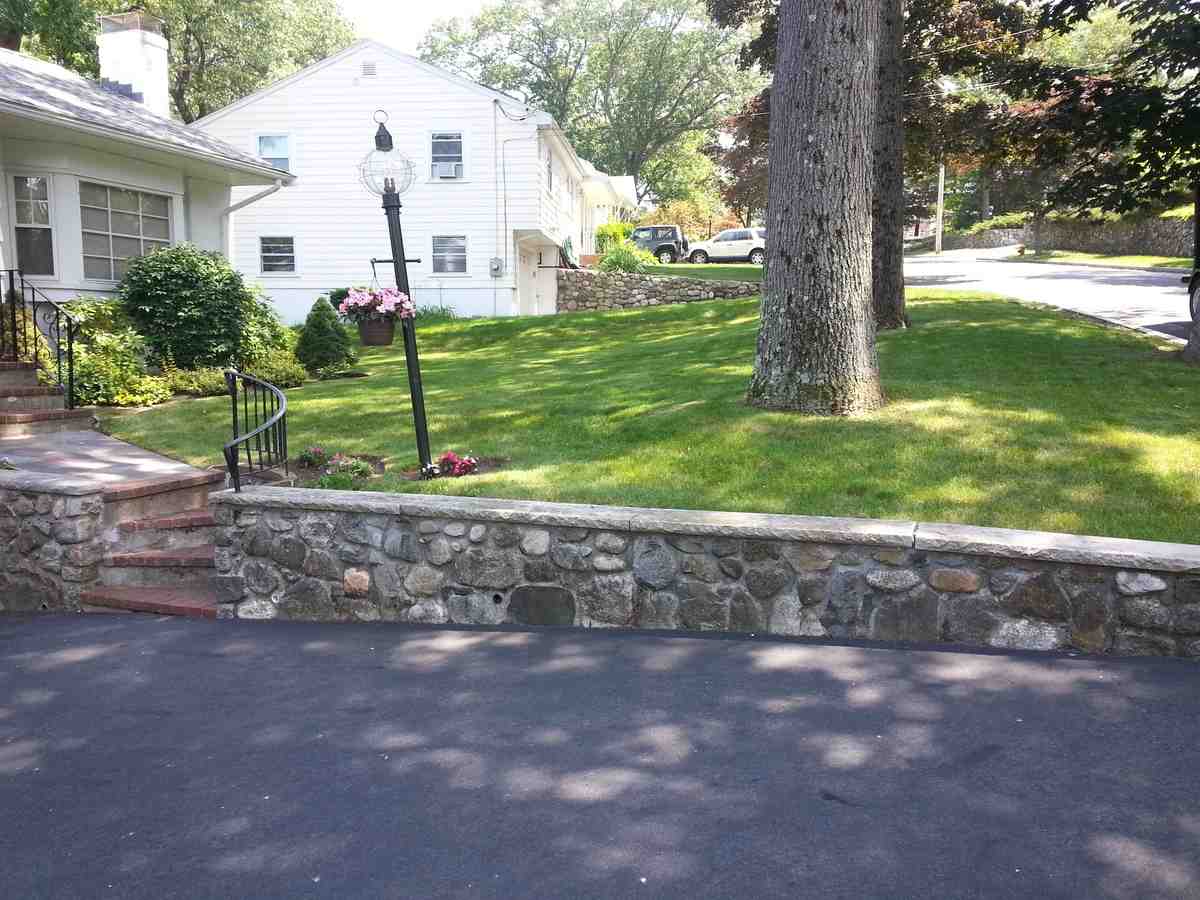
How Much to Get New Lawn Installed: Top Costs in 2024
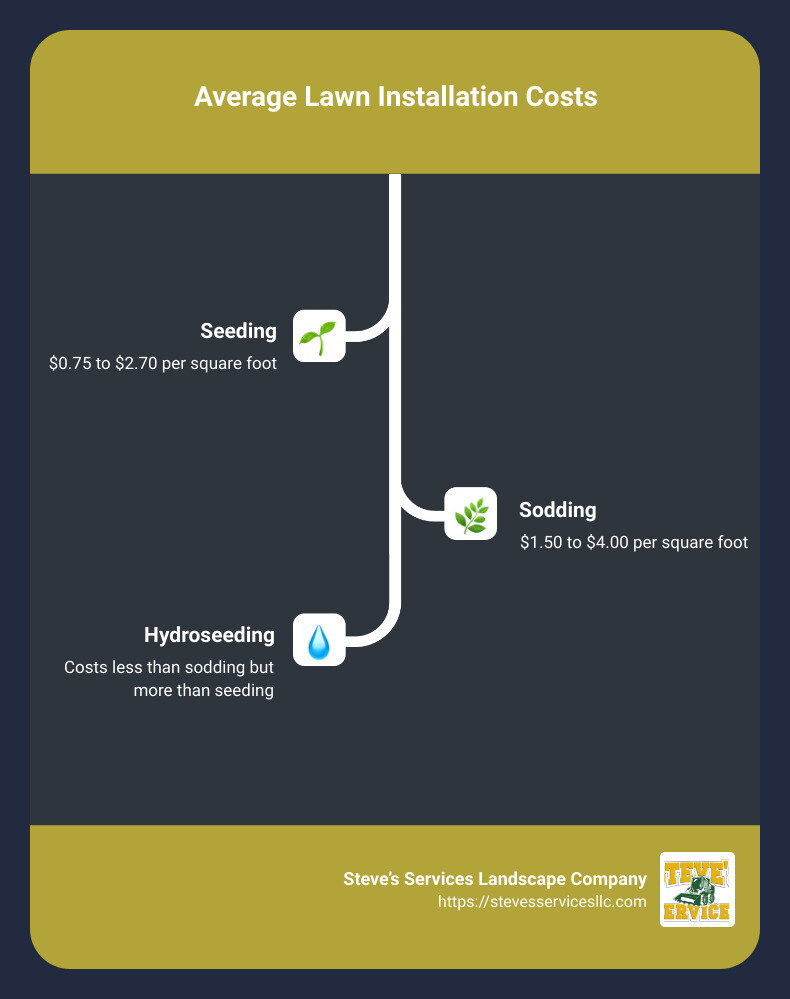
When you’re looking into how much to get new lawn installed, there are several factors to consider. To give you a quick starting point, here are some average costs:
- Seeding: $0.75 to $2.70 per square foot
- Sodding: $1.50 to $4.00 per square foot
- Hydroseeding: Generally costs less than sodding but more than seeding
Having a lush, green lawn not only boosts your home’s curb appeal but also provides a welcoming space for recreation and relaxation. A well-maintained lawn enhances environmental benefits, like reducing soil erosion and improving air quality by trapping dust and pollutants.
I’m Steve Sylva, with over 25 years of experience in landscaping and lawn care. At Steve’s Services Landscape Company, we specialize in premium solutions tailored to your needs, including how much to get new lawn installed. Our expertise ensures you receive a beautiful and durable lawn without compromising on quality.
Let’s delve deeper into the elements that affect lawn installation costs.
Factors Affecting Lawn Installation Costs
Several factors influence the cost of installing a new lawn. Understanding these can help you plan your budget and expectations better.
Yard Size
The size of your yard is the most significant factor affecting costs. Larger yards require more materials and labor. On average, you can expect to pay more per square foot for smaller areas due to the fixed costs of equipment and setup.
Yard Shape
Irregularly shaped yards can be more challenging to work with. Curves, corners, and unique layouts may require additional labor and precise cutting of sod or careful seeding, increasing the overall cost.
Installation Method
The method you choose—hand seeding, hydroseeding, sodding, or artificial turf—will significantly impact the cost:
- Hand Seeding is the cheapest but requires more time and maintenance.
- Hydroseeding is effective for large areas and has a higher success rate but costs more than hand seeding.
- Sodding provides instant results and is more expensive due to the higher labor and material costs.
- Artificial Turf is the most expensive but offers low maintenance and long-term durability.
Type of Grass
Different grass types have varying costs. Some grasses are more expensive due to their resilience, growth rate, and suitability for specific climates. For example, drought-resistant grasses might cost more upfront but save on water bills later.
Yard Condition
If your yard has poor soil quality, weeds, or existing grass that needs removal, the prep work can add to the cost. Aeration, fertilization, and soil amendments may be necessary to ensure a healthy new lawn.
Accessibility
Easy access to your yard can lower costs. If your yard is difficult to reach due to fences, slopes, or other obstacles, it might require more labor and time, increasing the overall expense.
Obstacles
Trees, rocks, and other obstacles can complicate the installation process. Removing these obstacles or working around them adds to labor costs and time.
Prep Work
Preparation is crucial for a successful lawn installation. This includes removing old grass, tilling the soil, leveling, and adding topsoil or compost. Each of these steps involves labor and materials, contributing to the total cost.
Labor and Delivery Fees
Labor costs can vary based on your location and the complexity of the job. On average, labor rates range from $60 to $100 per hour. Delivery fees for materials like sod, soil, and equipment rental can also add up, especially for larger projects.
By considering these factors, you can better estimate how much to get new lawn installed and ensure a successful and cost-effective project.
Cost Breakdown by Installation Method
When planning how much to get new lawn installed, understanding the cost differences between various installation methods is crucial. Here’s a breakdown:
Hand Seeding
Hand seeding is the most economical method to establish a lawn. It involves scattering seeds by hand or using a spreader.
Pros:
– Cost-effective: Seed costs range from $0.75 to $2.70 per square foot.
– Variety: You can choose a blend of grasses suitable for your climate.
Cons:
– Time-consuming: Requires thorough watering for the first eight weeks.
– Lower success rate: Conditions like soil temperature and moisture must be perfect.
– Weed control: More prone to weed growth, adding maintenance costs.
Hydroseeding
Hydroseeding involves spraying a mixture of seed, mulch, fertilizer, and water onto the soil. It’s effective for large areas and has a higher success rate than hand seeding.
Pros:
– Faster germination: The mulch keeps seeds warm and moist.
– Cost-effective for large areas: Costs range from $0.50 to $1.00 per square foot.
– Higher success rate: Better seed protection and moisture retention.
Cons:
– Initial care: Needs extra water, weed control, and protection from foot traffic for the first two months.
– Equipment rental: Renting a hydroseeder can cost $250 to $500.
Sodding
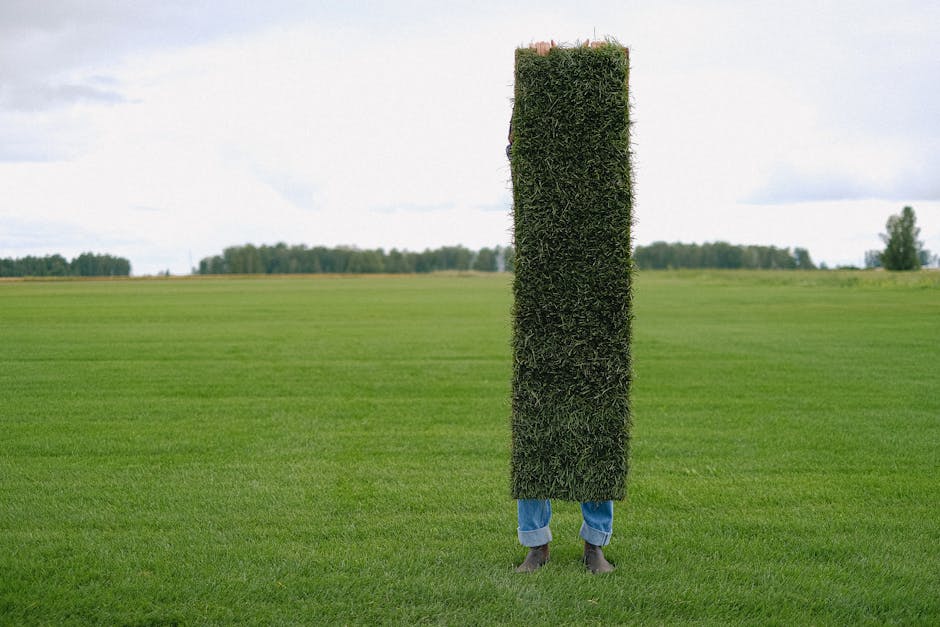
Sodding provides instant results by laying down pre-grown grass and its root system.
Pros:
– Immediate lawn: You can walk on it right away.
– Weed control: Prevents weed seeds in the soil from sprouting.
– Quick establishment: Roots take hold within 2-3 weeks.
Cons:
– Higher cost: Sod costs range from $1.50 to $4.00 per square foot.
– Monoculture risk: More prone to pest and disease issues due to lack of grass variety.
Artificial Turf
Artificial turf is a synthetic alternative to natural grass, offering a low-maintenance lawn.
Pros:
– Low maintenance: No need for watering, mowing, or fertilizing.
– Durability: Lasts for years with minimal upkeep.
Cons:
– High initial cost: Costs range from $8 to $12 per square foot.
– Installation complexity: Requires a base layer of crushed rock and precise installation.
When choosing the right method for your lawn, consider your budget, the size of your yard, and your long-term maintenance preferences. Each method has its unique advantages and challenges, so select the one that best fits your needs.
How Much to Get New Lawn Installed
Cost Estimator by Lawn Size
When estimating how much to get new lawn installed, the size of your yard is a key factor. Here’s a quick breakdown of costs based on common lawn sizes:
- 1,000 square feet:
- Materials only: $310 – $820
- Overall cost (labor and materials): $860 – $1,750
- 2,000 square feet:
- Materials only: $620 – $1,640
- Overall cost (labor and materials): $1,720 – $3,500
- 3,000 square feet:
- Materials only: $930 – $2,460
- Overall cost (labor and materials): $2,580 – $5,250
- 4,000 square feet:
- Materials only: $1,240 – $3,280
- Overall cost (labor and materials): $3,440 – $7,000
Average Costs
On average, sod installation costs can vary widely. Here’s what you can expect:
- National average cost: $2,010
- Typical price range: $1,048 – $2,992
- Extreme low-end cost: $583
- Extreme high-end cost: $7,238
These costs include both materials and labor. Factors like yard size, grass type, and site accessibility can greatly influence the final price.
Labor Costs
Labor is a significant part of the total cost when installing a new lawn. Here are some typical labor costs:
- Hourly rates: $37 to $78 per hour
- Per square foot rates: $0.55 to $0.93 per square foot
Factors affecting labor costs include:
- Yard condition: More prep work means higher labor costs.
- Accessibility: Hard-to-reach areas can increase labor time and cost.
- Obstacles: Trees, rocks, and other obstacles can make the job more complex and costly.
Knowing these factors can help you budget more accurately for your new lawn installation.
Next, let’s explore the additional costs and considerations you should be aware of when planning your new lawn.
Additional Costs and Considerations
When planning a new lawn installation, there are several additional costs and considerations to keep in mind. These can significantly impact your budget and the overall success of your project.
Existing Grass Removal
If your lawn is full of overgrown weeds or dead grass, you’ll need to remove the existing grass before laying new sod or seeding. This process requires special equipment to remove the sod and roots, which can cost $1,000 or more. Removing old grass ensures your new lawn has a healthy start, free from competition with weeds and old roots.
Fertilizer and Topsoil Delivery
Providing your new lawn with the best start possible means investing in quality fertilizer and topsoil. Fertilizer helps stimulate strong root growth and costs between $80 to $380 to apply. Fresh topsoil, which helps create a healthy, aerated foundation for your grass, costs $12 to $30 per cubic foot. Delivery for topsoil can range from $75 to $350 for 5 cubic yards, depending on your location.
Regrading or Leveling
Sometimes, the terrain of your yard needs adjusting to ensure proper drainage and a level surface for your new lawn. Regrading or leveling can cost between $1,000 to $3,000, which includes labor and equipment. This process is essential to avoid water pooling and ensure an even lawn surface, which promotes healthier grass growth.
Maintenance
Ongoing maintenance is crucial to keep your new lawn looking its best. Regular tasks include:
- Watering: Water your new lawn 1 to 2 times daily for the first week, then every other day for the next two weeks.
- Mowing: Start mowing after 4 to 6 weeks, ensuring not to remove more than one-third of the grass blade at a time.
- Fertilizing: Fertilize according to the recommended schedule for your grass type, usually in spring and fall.
Customizations
Sprinkler Systems: Installing a sprinkler system can help automate the watering process, ensuring your lawn gets the right amount of water. Sprinkler system installation costs range from $1,800 to $5,200.
Additional Landscaping: Adding features like flower beds, trees, or decorative stones can enhance the beauty of your lawn but will also add to the cost. Discuss these options with your landscaper to get a comprehensive quote.
Understanding these additional costs and considerations will help you plan your budget more accurately and ensure your new lawn thrives.
Frequently Asked Questions about Lawn Installation Costs
Is it cheaper to repair or replace a lawn?
It depends on the extent of the damage. Small patches of dirt or diseased grass can often be repaired at a low cost. For example, fixing a 25-square-foot patch can cost between $20 and $100. However, if a large portion of your lawn is damaged, it might be cheaper in the long run to replace it entirely.
Proper maintenance throughout the year is the best way to avoid a damaged lawn. For example, regular fertilization costs around $65 to $100, and lawn aeration ranges from $75 to $250. These maintenance steps can prolong the life of your lawn and reduce the need for costly repairs or replacements.
When should I install a new lawn?
The best time to install a new lawn is in the spring or fall when temperatures are moderate. This timing helps the grass establish roots without the stress of extreme temperatures.
If you must install sod in the summer, try to do so during a cooler period and ensure you water the grass quickly. Avoid laying sod before heavy rain, as it can ruin your prep work and leveling.
How long does it take to install a new lawn?
Laying sod can take several hours to a few days, depending on your yard’s size. One professional can lay a pallet of sod (about 225 square feet) in roughly an hour. With a team, the job can go much faster.
However, this doesn’t include the prep work, which involves clearing old grass, weeds, and debris, and ensuring the soil is ready. All this can add several more hours or days to the project.
For seeding, expect to see sprouts within 7 to 21 days, but it may take a full growing season or longer for the lawn to become fully dense and robust.
Conclusion
In summary, installing a new lawn involves several steps and costs. From choosing the right type of grass to the method of installation, each decision impacts the overall expense. Whether you opt for hand seeding, hydroseeding, sodding, or artificial turf, understanding your options helps you make an informed choice.
Professional installation offers numerous benefits. Experts bring the right tools and experience to ensure your lawn is laid correctly. They handle all the preparation, from soil testing to grading, ensuring your new lawn thrives. They also save you the backbreaking labor and potential mistakes that come with DIY efforts.
At Steve’s Services Landscape Company, we pride ourselves on delivering top-notch lawn installation services. Our team of professionals ensures your lawn is installed efficiently and accurately, giving you a beautiful, healthy outdoor space to enjoy for years.
Investing in a professional service not only enhances your property’s curb appeal but also adds value to your home. When it comes to how much to get new lawn installed, quality and expertise are worth the investment. Contact us today to transform your lawn into a lush, green oasis.