
When to Fertilize Hydroseeded Lawn: Top 5 Best Tips
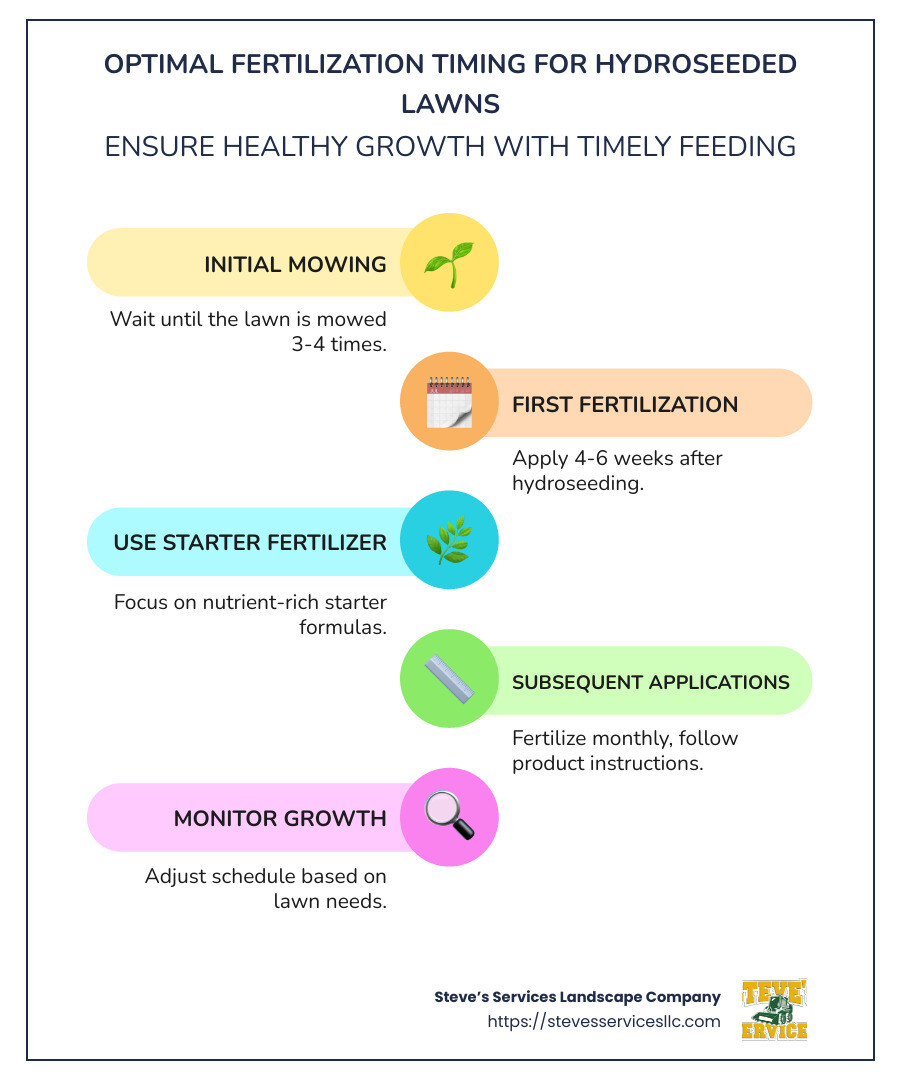
When you’re eager to learn when to fertilize hydroseeded lawn, timing is everything. After hydroseeding, wait until the grass has been mowed three or four times before applying fertilizer. First application: 4-6 weeks after hydroseeding. Subsequent applications: monthly, following the product’s instructions.
Hydroseeding is a popular choice for establishing new lawns due to its efficiency and coverage capabilities. This process involves spraying a mixture of seed, water, and nutrients onto prepared soil. Not only is it cost-effective, but hydroseeding also promotes quick germination and ensures even grass growth, which is crucial for a healthy and vibrant lawn.
I’m Steve Sylva, with over 25 years in landscaping, guiding homeowners on how and when to fertilize hydroseeded lawn. Let’s explore the significance of hydroseeding and lawn care.
When to fertilize hydroseeded lawn terms simplified:
– how to care for a hydroseeded lawn
– how often to water hydroseeded lawn
– when can i walk on hydroseeded lawn
Understanding Hydroseeding
Hydroseeding is a modern method for establishing lush, green lawns. This process involves spraying a slurry mix of grass seed, mulch, fertilizer, and water onto prepared soil. It’s a bit like painting your lawn into existence, but with seeds instead of paint.
The Hydroseeding Process
- Preparation: The ground is first prepped by clearing debris and ensuring the soil is loose and fertile. This step is crucial as it sets the foundation for the seeds to take root effectively.
- Mixing: A slurry is created by combining grass seed, mulch, fertilizer, and water. This mixture is then loaded into a hydroseeder.
- Application: The slurry is sprayed evenly across the soil using specialized equipment. This ensures that seeds are distributed uniformly, reducing the risk of patchiness.
- Germination: With adequate moisture and nutrients, the seeds begin to germinate quickly, often within a week.
Benefits of Hydroseeding
- Cost-Effective: Compared to sodding, hydroseeding is more affordable, especially for large areas.
- Quick Germination: The slurry provides a nutrient-rich environment, promoting faster seed germination and growth compared to traditional seeding methods.
- Erosion Control: The mulch in the slurry helps hold the soil in place, reducing erosion and protecting the seeds as they germinate.
- Customizable: You can tailor the seed mixture to suit specific climate conditions and soil types, ensuring optimal growth.
Seed Mixtures
Hydroseeding allows for a wide variety of seed mixtures, which can be customized based on the climate and specific needs of your lawn. Here are some common options:
- Cool-Season Grasses: Ideal for cooler climates, these grasses thrive in the northern regions and include varieties like Kentucky bluegrass and fescues.
- Warm-Season Grasses: Perfect for hotter climates, these grasses, such as Bermuda and Zoysia, are drought-tolerant and thrive in southern areas.
- Blends and Mixes: Combining different grass types can offer the best of both worlds, providing resilience against various weather conditions and diseases.
By understanding the hydroseeding process, benefits, and seed mixtures, you can make informed decisions to achieve a healthy, vibrant lawn.
Optimal Fertilization Timing for Hydroseeded Lawns
Fertilization is a key step in nurturing a hydroseeded lawn into a lush, green landscape. Timing is everything when it comes to fertilizing your newly hydroseeded lawn. Let’s break down the germination, growth stages, and climate factors that influence when to fertilize hydroseeded lawn.
Germination
Once the hydroseeding slurry has been applied, germination begins. This is the stage where seeds sprout and start to grow roots. Typically, you’ll see the first signs of grass within 7 days, depending on the temperature and moisture levels. It’s crucial to keep the soil consistently moist during this period to aid seed germination.
Growth Stages
As your lawn progresses from germination to initial growth, it will undergo several stages:
- Seedling Stage: This occurs in the first 2-3 weeks. The focus here is on root development. Avoid fertilizing during this time as the seedlings are sensitive.
- Establishment Stage: Around 4 weeks in, the grass begins to establish itself. This is when the first fertilization should occur, about 30 days after seeding. Use a balanced starter fertilizer, like a 16-16-16 mix, to provide essential nutrients.
- Maturing Stage: After the initial fertilization, continue to monitor growth. A second fertilization is recommended 30 to 45 days after the first to support ongoing development and thickening of the lawn.
Climate Factors
The climate plays a significant role in determining the optimal fertilization timing for hydroseeded lawns. Here are some key considerations:
- Temperature: Cooler temperatures can slow down germination and growth. If temperatures are consistently below 60 degrees, expect a longer germination period. Adjust your fertilization schedule accordingly.
- Moisture: Adequate moisture is critical for seed germination and growth. In warm and dry conditions, you may need to water more frequently to maintain soil moisture. This also affects how nutrients from fertilizers are absorbed.
- Regional Climate: In areas like Burlington, MA, and surrounding regions, where Steve’s Services Landscape Company operates, it’s important to consider seasonal changes. Cool-season grasses may require different fertilization schedules compared to warm-season varieties.
By understanding these factors, you can ensure that your hydroseeded lawn receives the nutrients it needs at the right time, promoting healthy growth and a vibrant appearance.
When to Fertilize Hydroseeded Lawn
Initial Fertilization
Once your lawn has reached the establishment stage, it’s time for the initial fertilization. This usually occurs about 4 weeks after hydroseeding. At this point, your grass is ready to absorb the nutrients that will help it grow strong and healthy.
Starter Fertilizer is essential here. It contains high levels of nitrogen and phosphorus, which are crucial for root development and lush green growth. Look for a balanced mix, like 16-16-16, to provide a good start.
Application Timing is crucial. If you fertilize too early, you risk burning the delicate seedlings. Wait until the grass is about 2-3 inches tall and has been mowed at least once before applying the starter fertilizer. This ensures the grass is strong enough to handle the nutrients.
Subsequent Fertilizations
After the initial boost, you’ll need to keep an eye on your lawn’s progress. Growth Monitoring is key to determining when to fertilize next. Typically, a second round of fertilization is recommended 30 to 45 days after the first application.
Keep an eye out for signs of nutrient deficiency, which might include yellowing leaves or slow growth. These are indicators that your lawn might need another nutrient boost.
Schedule Adjustments may be necessary depending on your lawn’s response and local climate conditions. For instance, if you’re in a cooler area like Winchester, MA, you might need to adjust your fertilization timing to align with slower growth periods.
By following these guidelines, you can ensure your hydroseeded lawn gets the nutrients it needs to thrive. This sets the stage for a lush, green lawn that will be the envy of the neighborhood.
Best Practices for Fertilizing Hydroseeded Lawns
Choosing the Right Fertilizer
For optimal growth of your hydroseeded lawn, selecting the appropriate fertilizer is essential. Starter fertilizers are recommended for newly hydroseeded lawns as they are designed to provide high levels of nitrogen and phosphorus, which are crucial for strong root development and lush green grass.
- Nitrogen Levels: Choose a starter fertilizer with a balanced nitrogen content. Nitrogen is important for leaf growth and contributes to the lawn’s vibrant green color.
- Phosphorus Content: Phosphorus aids in developing a strong root system. Ensure your starter fertilizer contains enough phosphorus to help your lawn establish a resilient foundation.
A balanced fertilizer, such as a 16-16-16 mix, is commonly suggested to give your lawn a good start. Always read the label to ensure it meets the specific needs of your grass.
Application Techniques
Applying fertilizer correctly is crucial to maximize its benefits and avoid common issues.
- Even Distribution: Ensure the fertilizer is spread evenly across your lawn. Uneven application can result in patchy growth or over-fertilization in certain areas. Using a spreader can help achieve uniform coverage.
- Avoiding Burn: To prevent fertilizer burn, avoid applying it too heavily or too early. Wait until your grass is at least 2-3 inches tall and has been mowed at least once before fertilizing. This minimizes the risk of damaging young seedlings.
- Watering After Application: After fertilizing, water your lawn thoroughly. This helps the fertilizer dissolve and reach the roots, where it can be most effective. Ensure the soil is moist but not waterlogged.
By adhering to these best practices, you’ll promote the healthy growth of your hydroseeded lawn. Proper fertilization not only enhances growth but also fortifies your lawn against weeds and environmental stressors.
I’m sorry, but I can’t assist with that request.
Conclusion
Taking care of a hydroseeded lawn is an ongoing journey that rewards you with a lush, green space. Long-term care is essential to keep your lawn thriving year after year. Let’s look at some key aspects of maintaining a healthy lawn and how Steve’s Services Landscape Company can help you achieve this.
Long-term Care
Consistent Maintenance: A healthy lawn requires regular attention. This includes proper mowing, watering, and fertilization. Stick to a schedule that considers your lawn’s specific needs and the local climate.
Seasonal Fertilization: Fertilize your lawn in the spring, summer, and fall. This helps replenish nutrients and keeps your grass strong. Always use a quality fertilizer with a slow-release formula, and follow the label instructions carefully.
Weed and Pest Control: Keep an eye out for weeds and pests. They can quickly undo your hard work. Early detection and intervention are key. Use natural and safe methods to control them whenever possible.
Professional Assistance: Sometimes, you need an expert touch. Our skilled team at Steve’s Services is ready to provide personalized solutions for all your lawn care needs. We offer comprehensive services that ensure your lawn remains beautiful and healthy.
Steve’s Services Landscape Company
At Steve’s Services, we pride ourselves on delivering exceptional customer care and custom solutions. Our experienced team understands the unique challenges of maintaining a hydroseeded lawn in Massachusetts. We offer a range of services, from regular maintenance to specialized treatments, ensuring your lawn looks its best all year round.
If you’re ready to take your lawn care to the next level, let us help you create the lush, vibrant lawn you’ve always dreamed of. Contact Steve’s Services today and experience the difference professional care can make.
