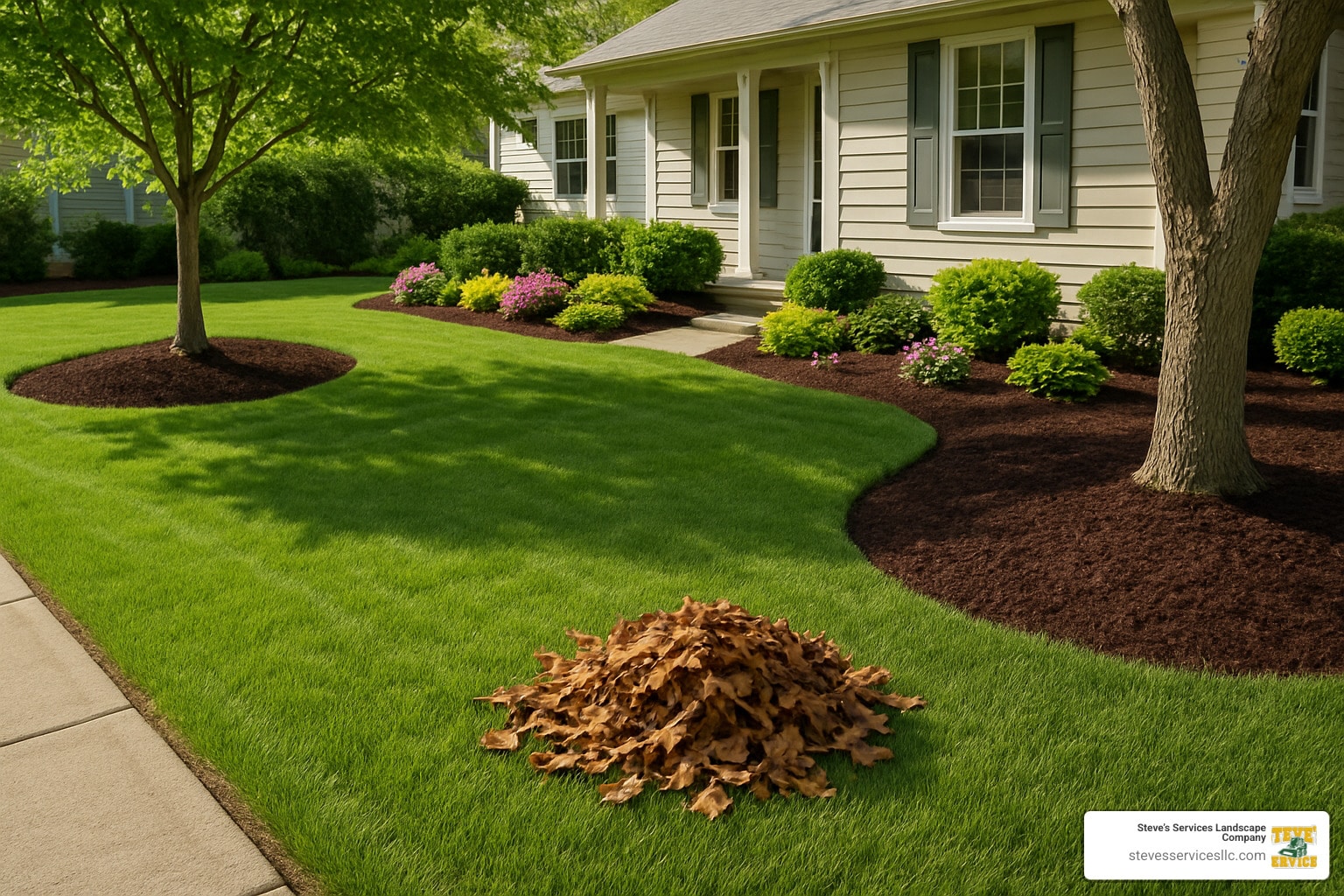
Yard Cleanup and Mulching: 10 Essential Tips for a Stunning 2025 Lawn
Transform Your Yard with Professional Care
Ever notice how a well-maintained yard can make even a modest home look like a million bucks? That’s the magic of proper yard cleanup and mulching. These aren’t just chores to check off your list—they’re investments in your property’s health and appearance.
Yard cleanup and mulching fundamentally transform your outdoor space. When we talk about cleanup, we’re referring to removing all those leaves, branches, and debris that accumulate over time. It also includes pruning trees and shrubs to maintain their shape and health, plus edging beds to create clean, defined lines throughout your landscape. Mulching complements these efforts by adding a protective 2-4 inch layer around your plants and trees, which helps retain moisture, keeps weeds at bay, and gradually improves your soil quality as it breaks down.
Most homeowners are surprised to learn that professional yard cleanup and mulching services typically range from $200-$600, though costs can vary significantly depending on your property size and condition. The sweet spots for these services are during spring (March-April) when your yard needs revival after winter, and fall (October-November) when preparing for the cold months ahead.
The benefits extend far beyond just looking good for the neighbors. A properly maintained yard creates a natural barrier against pests, reduces the risk of property damage from falling limbs or clogged drainage, and establishes a healthier environment where your plants can flourish. Think of it as preventative medicine for your landscape.
When debris piles up, it’s not just unsightly—it creates real problems. Gutters get clogged, grass suffocates under matted leaves, and soil conditions deteriorate. Regular maintenance prevents these issues and helps you avoid costly restoration services down the road. Professional mulching works hand-in-hand with cleanup by creating that protective layer that insulates roots from temperature extremes while slowly feeding your soil.
As I like to tell my customers, “A healthy lawn is a happy lawn,” and that happiness comes from consistent, knowledgeable care.
I’m Steve Sylva, owner of Steve’s Services Landscape Company, and after 25 years in the business, I’ve seen how proper yard cleanup and mulching can transform properties throughout Malden, Everett, and surrounding Massachusetts communities.
Why Yard Cleanup Matters
There’s something deeply satisfying about a well-maintained yard, but the benefits of regular yard cleanup and mulching go far beyond just making the neighbors jealous.
When homeowners ask us why they should invest in professional yard maintenance, we often smile and say, “How much time do you have?” The truth is, proper yard care protects your biggest investment – your home.
Property value jumps significantly with well-maintained landscaping. Real estate professionals consistently report that homes with tidy, attractive yards can sell for 5-12% more than comparable properties with neglected exteriors. That manicured look signals to potential buyers that the entire property has been well cared for.
Those leaf piles might look harmless, but they’re actually five-star hotels for pests. Mosquitoes, ticks, and rodents love making their homes in yard debris. By removing these cozy habitats through regular cleanup, you’re creating a safer outdoor space for your family to enjoy.
Your gutters will thank you too. When leaves decompose on your roof or in gutters, they create a sludgy mess that blocks water flow. This seemingly small issue can lead to serious water damage to your home’s exterior, fascia boards, and even foundation. A thorough yard cleanup prevents these expensive headaches before they start.
Soil health might not be the most exciting dinner conversation, but it’s crucial for a thriving landscape. While some organic matter naturally benefits your soil as it breaks down, excessive debris can actually suffocate grass roots and create unhealthy conditions. Professional cleanup strikes the perfect balance, allowing your soil to breathe and absorb nutrients properly.
Ever notice how after big storms, some yards look like disaster zones while others remain relatively intact? Regular cleanup removes dead branches and identifies hazardous trees before they become projectiles during high winds or heavy snow. This proactive approach prevents property damage and potential injuries when severe weather strikes.
According to research from West Virginia University Extension, proper lawn aeration—a service often included with professional cleanup—significantly improves soil structure, reduces compaction, and improves water infiltration. These benefits create a healthier overall lawn ecosystem that’s more resilient to drought, disease, and pests.
At Steve’s Services, we see yard cleanup not as just another chore, but as preventative healthcare for your property. Just like regular checkups keep you healthy, consistent yard maintenance prevents small issues from becoming major problems. And there’s nothing quite like the peace of mind that comes from knowing your outdoor space is ready for whatever Mother Nature throws its way.
Yard Cleanup and Mulching 101
When it comes to keeping your yard looking its best, yard cleanup and mulching are like the dynamic duo of landscape maintenance. Let me walk you through what these essential services actually involve.
Think of yard cleanup as giving your outdoor space a thorough reset. It starts with comprehensive debris removal – gathering all those fallen leaves, scattered branches, and random twigs that have made themselves at home on your lawn. We typically tackle the bigger stuff first before sweeping in to handle smaller items like leaves.
Pruning is another vital piece of the cleanup puzzle. This isn’t just random cutting – it’s the careful, selective removal of dead, damaged or overgrown branches from your trees and shrubs. Good pruning does double duty: it makes your plants look better while encouraging healthier growth and stopping diseases from spreading.
Here in Massachusetts, leaf management is a major undertaking, especially with our abundance of deciduous trees that create those spectacular fall colors (and then drop them all in your yard!). Rather than simply bagging and removing every leaf, professional services often take a smarter approach. We might mulch leaves in place, returning valuable nutrients to your soil in a natural cycle that benefits your entire landscape.
Bark mulch application is the perfect finishing touch after a thorough cleanup. This natural material – typically made from shredded tree bark – is like the perfect accessory that completes your landscape’s “outfit.” It instantly gives your property that well-maintained, polished look while providing serious functional benefits beneath the surface.
The magic of mulch lies in its moisture retention abilities. A proper layer can reduce water evaporation by up to 70%, which means less irrigation during those dry summer months – particularly valuable when Massachusetts communities face water restrictions. It’s also nature’s weed suppressor, creating a physical barrier that blocks sunlight from reaching weed seeds and preventing germination. This natural approach means fewer chemical herbicides on your property.
As an added bonus, organic mulches gradually break down over time, contributing valuable organic matter to your soil. This improves both structure and fertility, creating a self-sustaining cycle that benefits everything growing in your landscape.
What Tasks Are Included in a Professional Yard Cleanup and Mulching Service?
When you hire professionals for yard cleanup and mulching, you’re getting a comprehensive service package that covers all the essentials. At Steve’s Services, our standard cleanup includes several key components that transform your yard.
We begin with leaf raking and removal, using professional-grade equipment to efficiently gather leaves from lawns, beds, and hard surfaces. Next comes shrub pruning, where we trim back overgrown plants and remove dead branches to improve both appearance and plant health. Weed pulling is another crucial task, as we manually remove unwanted growth from beds and lawn areas to prevent competition with your desirable plants.
All this work generates quite a bit of material, which is why debris hauling is included – typically up to half a truck load in our standard service. This saves you multiple trips to the disposal site and the hassle of proper yard waste management.
Most professional services, including ours, operate on a fixed labor model. For example, we include up to six man-hours of labor in our standard cleanup package. This approach helps you understand exactly what you’re getting and allows for predictable pricing. Additional hours are typically billed at an hourly rate (industry averages range from $30-$80 per hour).
What might take you an entire weekend can often be completed by our professional crews in just a few hours, with superior results. That’s the advantage of specialized equipment and years of experience working on Massachusetts properties just like yours.
How Mulching Integrates With Cleanup for Maximum Benefit
Professional yard cleanup and mulching services work hand-in-hand for maximum efficiency and landscape benefit. The cleanup phase essentially prepares the ground for mulch application, creating a clean canvas for this protective layer.
One of mulch’s most valuable functions is soil insulation. A proper 2-4 inch layer acts like a temperature moderator, keeping roots cooler during our hot Massachusetts summers and warmer during our harsh winters. This temperature buffer is particularly important in our region, where seasonal extremes can put significant stress on plants.
Getting the depth right is crucial – we recommend 2-4 inches for most applications. This thickness provides optimal benefits without suffocating your plants. Applied too thinly, mulch won’t effectively suppress weeds; too thickly, and it can prevent water from reaching roots and create favorable conditions for pests.
Beyond its practical functions, fresh mulch provides an instant color refresh that dramatically improves curb appeal. It creates defined edges and a polished look that signals a well-maintained property. Available in various colors, mulch can complement your home’s exterior and landscape design – like the perfect frame around a beautiful picture.
Plant root protection is another benefit that’s often overlooked. Mulch creates a buffer zone that prevents mechanical damage from lawn equipment and foot traffic. This protection is especially valuable around trees and shrubs where root damage can have serious long-term consequences.
While traditional bark mulch is our most requested option, compost alternatives offer unique benefits for certain situations. Compost mulch provides more immediate nutrient benefits and improves soil structure faster than bark, though it breaks down more quickly and may require more frequent application.
Benefits You’ll Notice Right Away
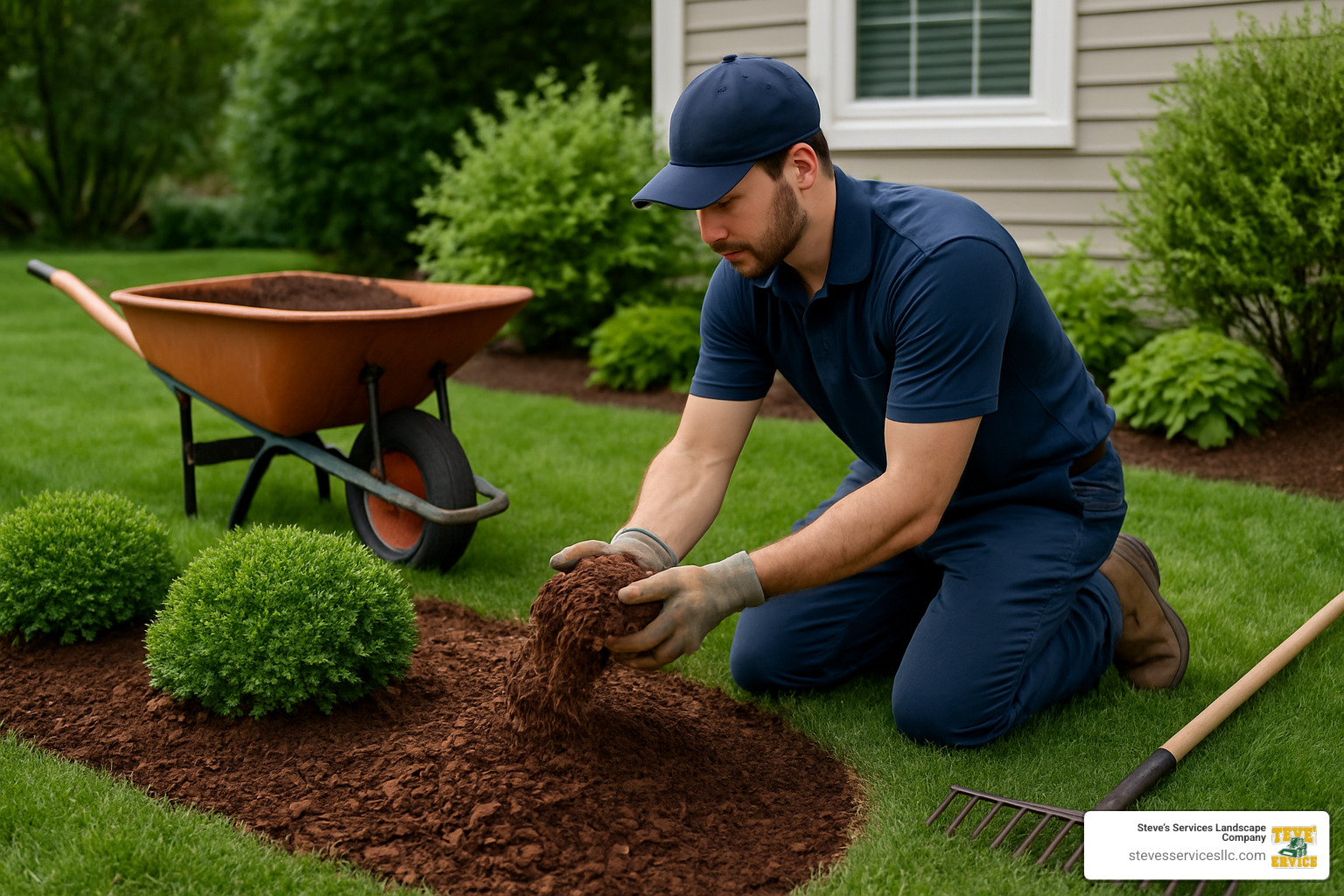
After we’ve completed a thorough yard cleanup and mulching service, the change isn’t something you’ll need to wait weeks to appreciate. The benefits are immediate and striking!
The improved water retention is one of the first functional advantages you’ll notice. That fresh layer of mulch works like nature’s sponge, helping your soil hold moisture significantly longer. Most of our Massachusetts clients are pleasantly surprised to find they’re watering 25-50% less frequently after proper mulching. During those hot summer months when water restrictions are common, this benefit becomes even more valuable.
Temperature moderation is another immediate win that your plants will thank you for. When that first heat wave hits after your service, mulched areas maintain much more stable soil temperatures. In fact, soil under a proper mulch layer can be 10-15 degrees cooler than exposed soil during peak summer heat. Your plants’ root systems stay protected from those extreme temperature swings that can cause stress and damage.
Perhaps the most visibly satisfying benefit? Dramatically fewer weeds. That fresh 2-4 inch protective barrier blocks sunlight from reaching weed seeds, preventing them from germinating in the first place. Our clients love that this natural weed suppression means they spend less time hunched over pulling weeds and can reduce or eliminate herbicide use in their landscapes.
Safety improvements become immediately apparent as well. With debris cleared away and fresh mulch defining garden edges, walkways become clearer and pathways more distinct. These visual cues help prevent trips and falls while making your outdoor space more navigable for everyone.
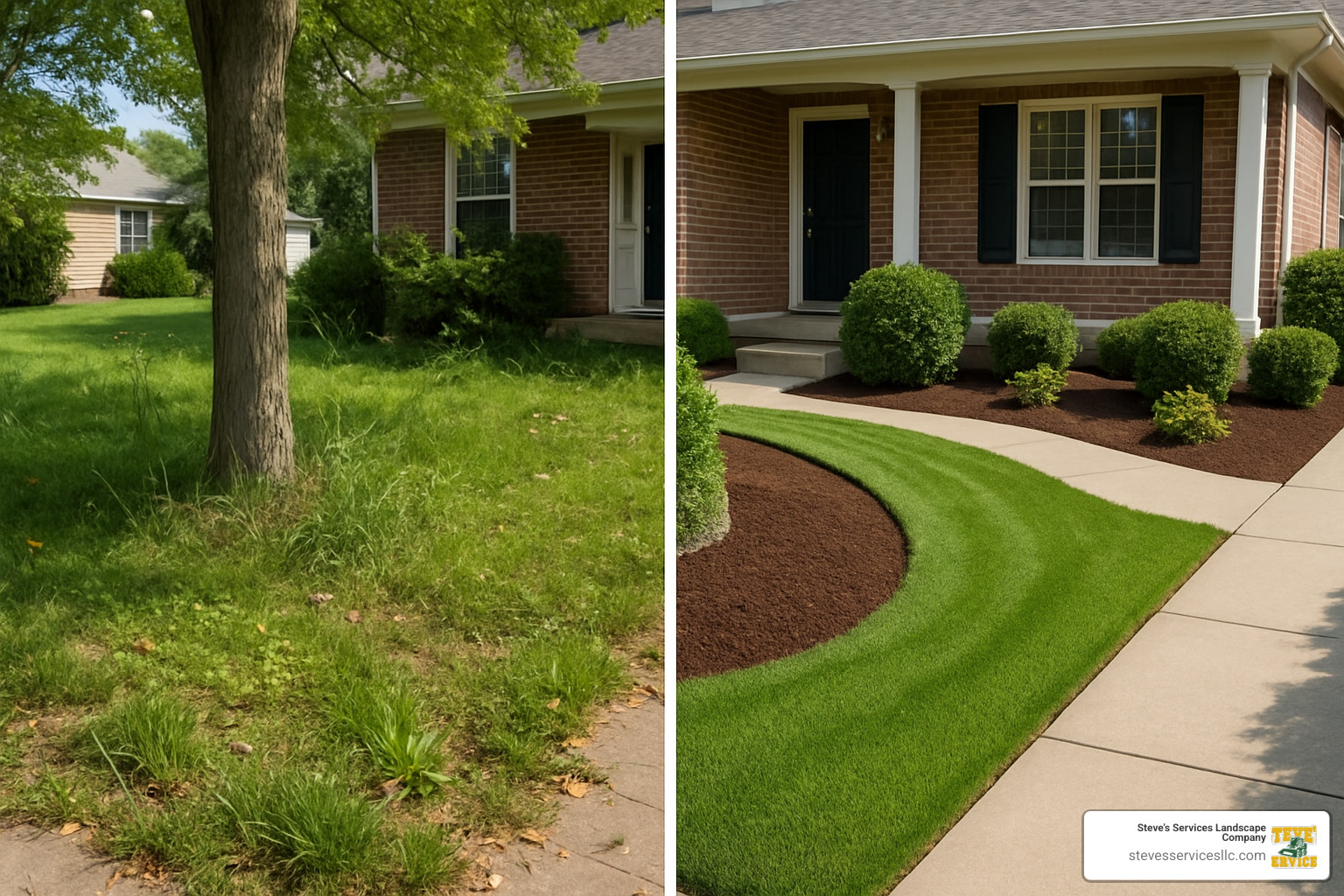
The instant curb appeal boost is perhaps the most satisfying immediate benefit. As one delighted client from Winchester told us after seeing our work: “My side yard went from looking like a jungle to the garden it is supposed to look like.” That change creates an immediate sense of pride and makes a positive impression on neighbors and visitors alike.
While you’ll see these benefits right away, the nutrient recycling advantage begins immediately but continues paying dividends long-term. As your organic mulch gradually breaks down, it releases a steady stream of nutrients that naturally feed your plants. This slow-release approach is ideal for plant health and reduces your need for synthetic fertilizers over time.
Cost Guide: Yard Cleanup, Mulching & Add-Ons
Let’s talk money—because when it comes to yard cleanup and mulching, understanding the costs helps you plan your landscape budget without surprises.
Based on national averages (not Steve’s Services pricing), professional yard cleanup typically costs between $174-$1,089, with most homeowners investing $200-$600 for a complete service. Why such a wide range? It comes down to what your yard needs.
Labor dominates these services, accounting for a whopping 90-95% of your total bill. This shouldn’t be surprising—changing an overgrown yard into a showcase property requires skilled hands and strong backs! When you see crews raking, hauling, and carefully spreading mulch, you’re witnessing the most valuable part of the service.
If you’re trying to estimate costs for your property, many companies charge between $0.02-$0.10 per square foot. So a quarter-acre lot (about 10,890 square feet) might run between $218-$1,089 depending on its condition. The worse shape your yard is in, the higher you’ll land in that range.
Adding professional mulch installation typically costs $100-$350 nationally. Premium mulches with added compost or special colorants will push you toward the higher end, but they also provide improved benefits for your landscape.
Don’t forget about debris hauling—a critical but often overlooked expense. Most services include some standard amount (typically half a truck load), but excessive volume can add $160-$400 to your total. Those fall leaves really add up!
Speaking of seasons, timing affects pricing too. Fall cleanup generally costs more than spring due to heavier leaf volume. Fall services typically range from $200-$600 nationally, while spring cleanup averages $100-$300. It’s simply a matter of workload—more debris means more labor.
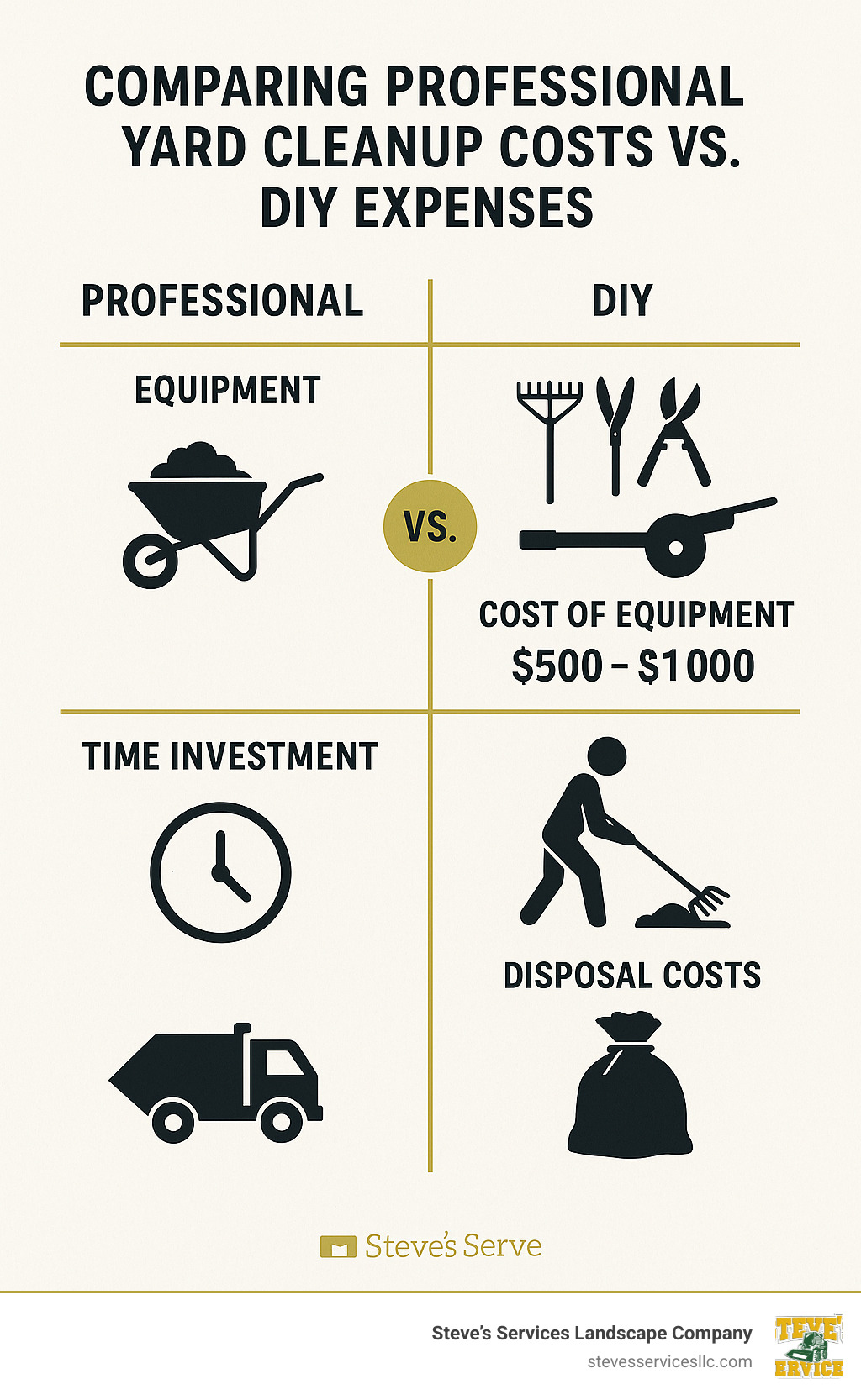
If you’re considering the DIY route, be prepared for significant upfront investment. A proper set of tools—quality rake, leaf blower, pruning shears, wheelbarrow, and safety gear—can set you back up to $938 initially. And that’s before factoring in your valuable weekend time!
Factors That Influence Price for Yard Cleanup and Mulching
Several key elements affect what you’ll pay for yard cleanup and mulching services:
Yard size naturally impacts cost, but it’s not always as simple as “bigger equals more expensive.” A smaller yard that’s severely neglected might actually cost more than a larger, well-maintained property. It’s about the work required, not just square footage.
Debris volume dramatically influences pricing. A yard buried under maple leaves and fallen branches requires significantly more labor than one with minimal debris. This is precisely why fall cleanups typically come with a higher price tag than spring touch-ups.
Terrain complexity plays a major role too. If your property features steep slopes, tight access points, or numerous obstacles like garden beds and hardscaping, expect higher rates. Our crews in hilly Massachusetts communities like Melrose know that navigating challenging terrain takes extra time and effort.
Seasonal demand creates natural market fluctuations. Fall is peak season for yard cleanup due to leaf drop, creating higher demand and potentially higher rates. Scheduling during slightly off-peak times (early spring or late fall) might save you money.
Disposal fees vary widely across Massachusetts towns and are typically passed through to customers. Some municipalities offer yard waste pickup or seasonal drop-off days, while others charge by volume or weight. These local regulations can significantly impact your bottom line.
Contract frequency offers potential savings. Regular maintenance plans (monthly or quarterly) typically provide lower per-visit rates than one-time cleanups. As one of our Malden customers put it, “Paying a little regularly saves me from paying a lot occasionally.”
For more details about local cleanup services, check out our Local Yard Clean Up page.
When Does “Routine” Turn Into “Restoration”?
There’s a significant difference between standard maintenance and what we call “neglect cleanup” or restoration work.
Routine yard cleanup and mulching addresses normal seasonal debris and regular maintenance needs. Restoration tackles properties that have been overlooked for extended periods—sometimes years—requiring specialized equipment and substantially more labor hours.
Overgrowth removal becomes necessary when shrubs, vines, or volunteer trees have grown unchecked. This intensive work often requires power tools and careful attention to avoid damaging desirable plants and structures. The difference between trimming a shrub and reclaiming one from wilderness is substantial—both in effort and cost.
Tree limb disposal presents unique challenges in restoration projects. Large branches or multiple fallen limbs may require special equipment or additional disposal fees due to their volume and weight. What won’t fit in standard yard waste bags often incurs extra charges.
Half-acre scenarios illustrate the cost difference dramatically. A half-acre property needing routine cleanup might cost $300-$600, while the same property requiring restoration could range from $800-$2,178 nationally. That’s a significant difference!
As one of our experienced crew leaders often tells clients, “That’s not really a spring cleanup—that’s a neglect cleanup. Once we get it under control, you can maintain it yourself or hire us for much less work next time.”
Many of our clients in communities like Medford and Malden find that investing in thorough restoration followed by regular maintenance proves more economical in the long run. It’s like dental work—regular cleanings are much more affordable than major procedures after years of neglect!
Seasonal Timing & Frequency
Timing is everything when it comes to effective yard cleanup and mulching. Here in Massachusetts, we’ve found that aligning your maintenance schedule with nature’s rhythm produces the best results for your landscape.
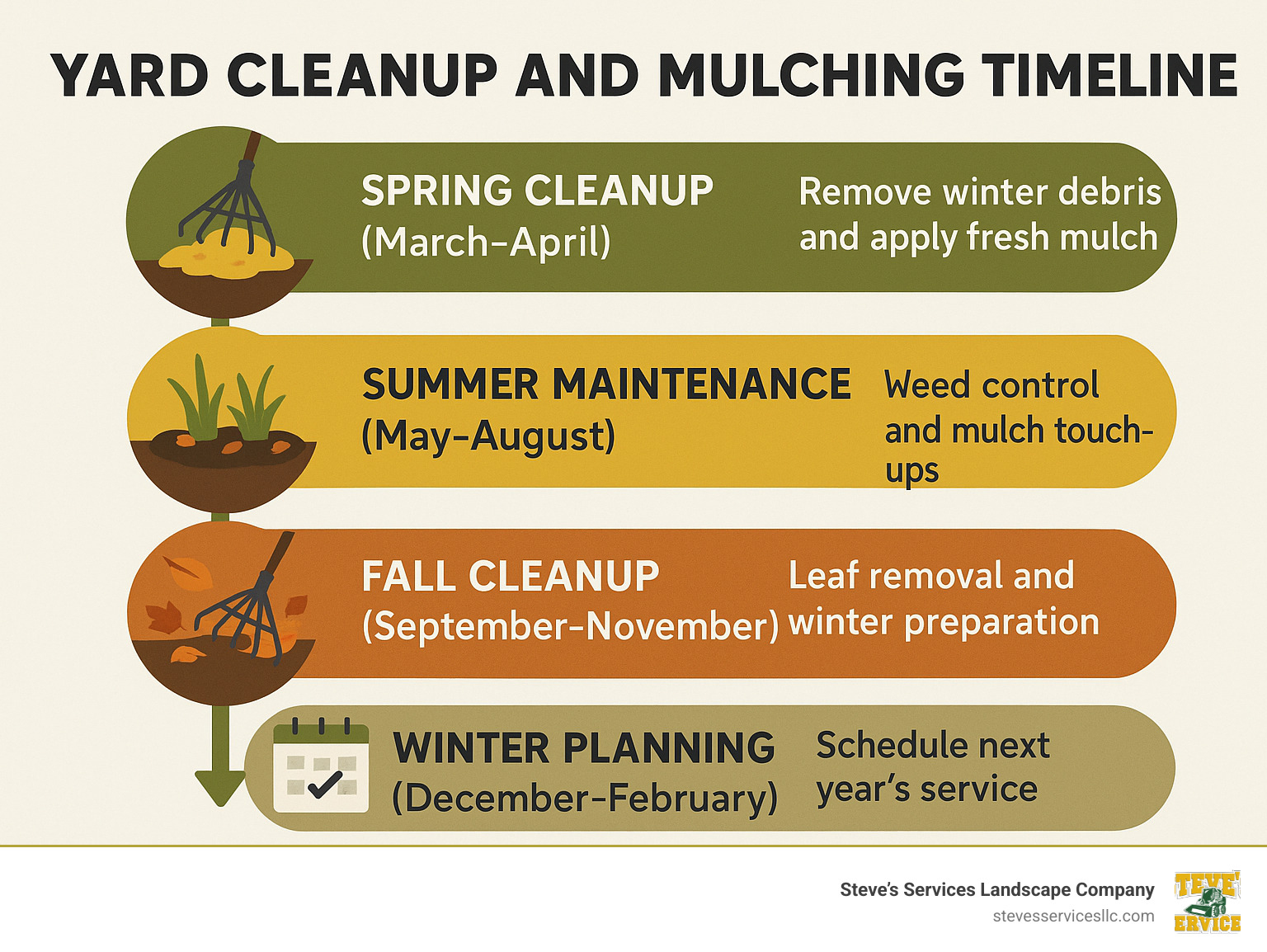
The spring refresh (typically March-April) is your landscape’s awakening moment. This is when we focus on clearing away winter’s leftovers—fallen branches, matted leaves, and other debris that accumulated during the cold months. It’s also when we cut back those perennials and prepare your garden beds for the growing season ahead. This timing is perfect for fresh mulch application too, creating a protective barrier before weeds have a chance to establish themselves.
When fall leaf drop arrives (October-November), your yard faces different challenges. Those beautiful autumn leaves might look picturesque on trees, but left on your lawn all winter, they become a recipe for trouble. They can smother grass, create dead patches, and become breeding grounds for fungal diseases. Fall is also the ideal time for strategic pruning to prepare plants for their winter dormancy.
“I always tell my clients that fall cleanup is like tucking your landscape in for a long winter’s nap,” says Steve Sylva, our founder. “It’s not just about looks—it’s about protection.”
Many of our clients in Revere and Saugus have finded that quarterly touch-ups hit the sweet spot for maintenance frequency. This approach prevents the overwhelming accumulation of debris and addresses each season’s unique needs proactively. When you stay ahead of landscape maintenance, you actually reduce the intensity (and cost) of those major seasonal cleanups.
For those wanting the highest level of care, our monthly maintenance contracts provide consistent attention to your property. These programs typically include regular mowing, edging, and light cleanup, with the more intensive services scheduled according to seasonal needs.
Massachusetts presents some special considerations for lawn care. Our region primarily features cool-season grasses like Kentucky bluegrass, perennial ryegrass, and fescue. These varieties have different care requirements than warm-season grasses found in southern states. Fall is particularly crucial for these cool-season varieties, with fertilization and overseeding being especially beneficial during this time.
We’ve also noticed increasing drought periods during recent Massachusetts summers, which sometimes requires adjusting maintenance schedules. During these dry spells, properly applied mulch becomes even more valuable as it significantly helps with moisture conservation.
Spring Yard Cleanup and Mulching: Key Milestones
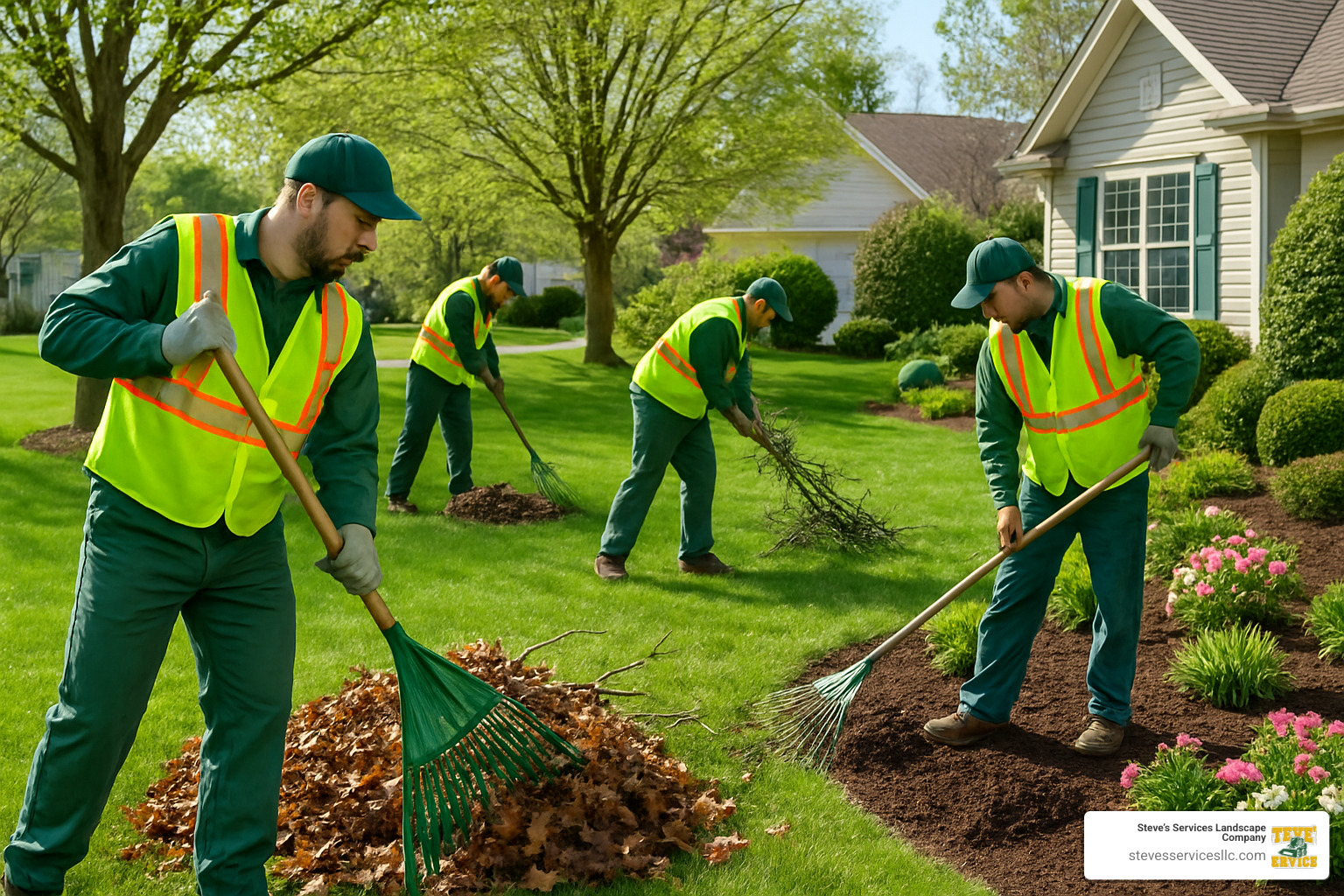
Spring yard cleanup and mulching follows a specific sequence that maximizes benefits to your landscape:
The process typically begins with thatch removal. This layer of dead grass and organic matter can form a barrier that prevents water and nutrients from reaching your lawn’s roots. Based on national averages (not Steve’s Services pricing), dethatching services typically range from $146-$246 and are most effective when done before aeration.
Timing is everything when it comes to pre-emergent weed control. In our region, we watch for the forsythia bloom as nature’s signal that soil temperatures have reached the threshold where weed seeds begin germinating. This natural indicator helps us maximize effectiveness against crabgrass and other annual weeds that can plague Massachusetts lawns.
Compost topdressing provides your lawn with a natural boost in fertility. A thin layer—just ¼-½ inch—of fine-textured compost spread over turf areas improves soil structure while providing slow-release nutrients. This practice helps reduce thatch buildup over time and improves your lawn’s resistance to disease.
“Weed, fertilize and add mulch just before spring blooms start coming in,” notes one of our experienced team members. “It can do wonders to make the yard look crisp, tidy and ready for long warm days!”
For our clients in Stoneham and Winchester, we typically recommend scheduling spring cleanup in late March through April. This timing hits the sweet spot after the final frost but before rapid growth begins, allowing us to address any winter damage while setting the stage for the growing season ahead.
Fall Yard Cleanup and Mulching: Protecting for Winter
Fall yard cleanup and mulching focuses on preparing your landscape for winter while setting the foundation for next year’s growth:
Leaf shredding offers a smart alternative to complete removal. Using a mulching mower to shred leaves in place returns valuable organic matter to the soil—it’s recycling at its most natural. This approach reduces disposal needs while benefitting your lawn naturally. Many of our clients appreciate this eco-friendly option.
Your lawn’s final mow should be lower than summer cuts. We recommend lowering the mower deck for the last few cuts of the season (typically late October through November in Massachusetts). This practice helps prevent snow mold development and reduces winter habitat for voles and other pests that can damage your lawn.
Fall cleanup presents the perfect opportunity for bulb planting. As we clear and prep your beds, it’s an ideal time to plant spring-flowering bulbs like tulips and daffodils. Many of our clients include this task as part of their comprehensive fall maintenance package—a small effort that rewards with gorgeous spring color.
Root-boost fertilizer application is crucial for winter hardiness. Fall fertilizers with higher phosphorus and potassium (but lower nitrogen) promote robust root development without stimulating leaf growth. This helps your plants survive winter stresses and emerge stronger when spring arrives.
For Massachusetts properties, particularly in communities like Burlington and North Reading, fall cleanup timing requires careful consideration. We typically recommend scheduling between mid-October and late November—after significant leaf drop but before the first snowfall blankets your property.
Want to learn more about our seasonal services? Visit our pages about Spring Yard Clean Ups and Fall Yard Clean Ups for complete details about our comprehensive seasonal maintenance packages.
Professional Service vs. DIY: Which Fits Your Lifestyle?
Deciding between professional yard cleanup and mulching services and DIY approaches comes down to what matters most in your life: time, money, expertise, or personal satisfaction.
Time savings is perhaps the most compelling reason to hire professionals. What might consume your entire weekend (or several weekends) can often be completed by our experienced crews in just a few hours. For busy Massachusetts professionals juggling careers and family commitments, this time reclamation isn’t just convenient—it’s essential for maintaining work-life balance.
Equipment investment presents a significant hurdle for effective DIY cleanup. Professional-grade tools don’t come cheap—quality leaf blowers, hedge trimmers, chippers, and safety gear require substantial upfront investment plus ongoing maintenance. Our teams amortize these costs across hundreds of properties, making it economically sensible for us to invest in commercial-grade equipment that delivers superior results.
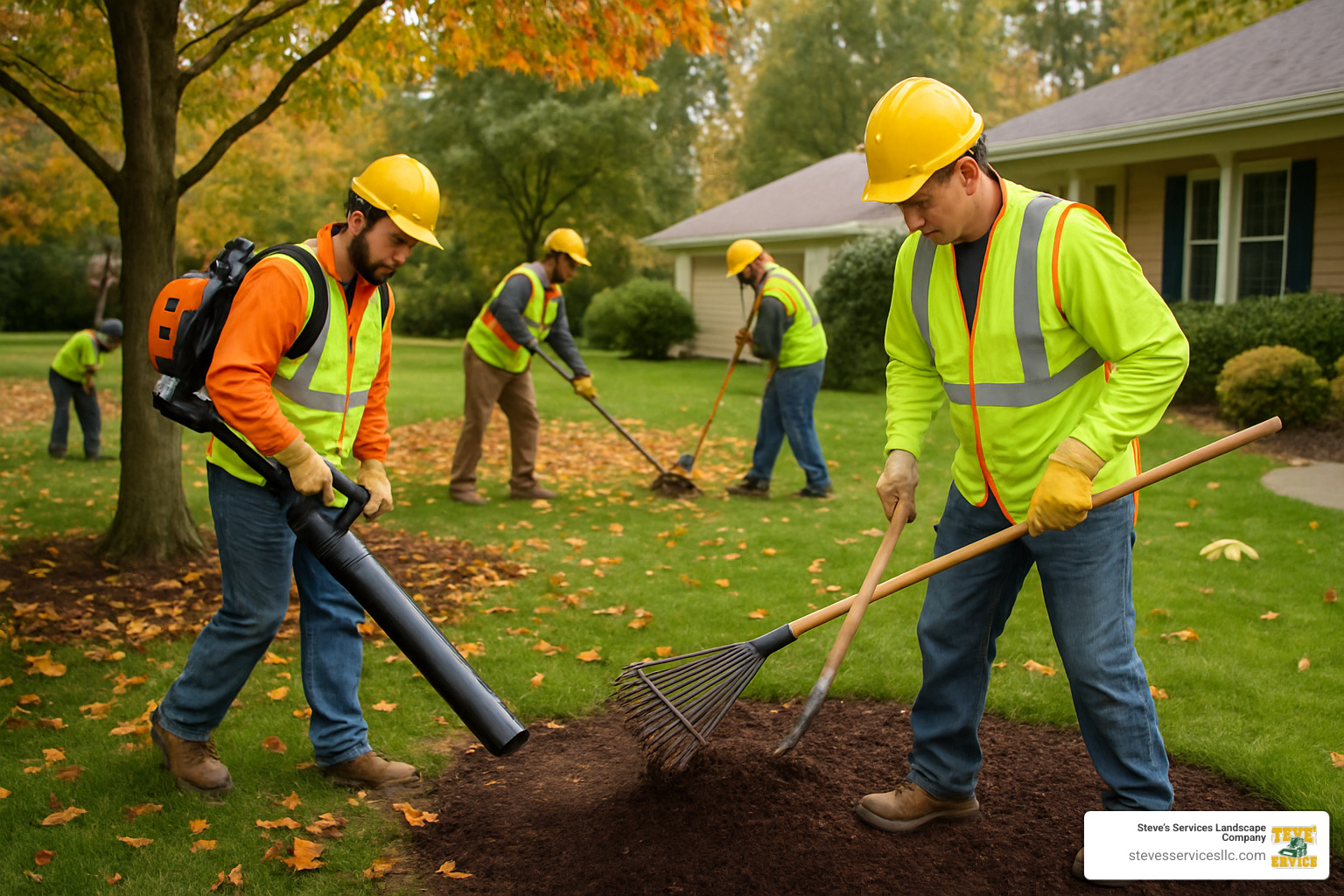
Safety risks in yard work should never be underestimated. Each year, thousands of homeowners suffer injuries ranging from ladder falls during gutter cleaning to more serious chainsaw accidents during branch removal. Our professional crews receive regular safety training and come equipped with proper protective gear to handle these hazards safely.
Professional expertise ensures your landscape receives proper care. There’s a science to correct pruning cuts that promote plant health, appropriate mulch application depths, and identifying potential disease issues before they become problems. Our trained landscapers apply best practices that protect your investment in your outdoor space.
Guaranteed debris disposal eliminates one of the biggest DIY headaches. Our services include proper removal and disposal, navigating the varying regulations across Massachusetts communities. No more struggling to cram yard waste into municipal bins or making multiple trips to the dump—we handle it all in one efficient visit.
Pros & Cons of Hiring Experts for Yard Cleanup and Mulching
When considering professional yard cleanup and mulching services, it’s worth weighing both the advantages and potential drawbacks:
Insured labor provides peace of mind that you’re protected from liability should accidents or property damage occur during the work. We carry comprehensive insurance so you’re never left exposed to unexpected claims.
Predictable scheduling ensures your property receives attention when it needs it most. Rather than stretching cleanup over multiple weekends (and hoping for cooperative weather), our crews complete the work efficiently on your scheduled day.
Bulk mulch discounts allow us to offer better material pricing than retail. We purchase mulch by the truckload rather than by the bag, passing those savings on to you while providing higher quality materials than typically available at big box stores.
Convenience remains the overwhelming factor for many of our clients. As one Lynnfield homeowner told us, “Having professionals handle our seasonal cleanup is the happiest money we spend all year. What would take us weeks of weekends is handled in a single day.”
On the other hand, professional services do involve higher upfront spend compared to DIY approaches, though the value proposition often makes more economic sense when you factor in equipment costs and your valuable time. During peak seasons, you may face scheduling constraints as good services book up quickly. And for those who genuinely enjoy gardening, there’s less personal involvement in the process.
Pros & Cons of a DIY Approach to Yard Cleanup and Mulching
For homeowners considering the DIY route for yard cleanup and mulching, there are certainly advantages to handling the work yourself:
Personal satisfaction comes from changing your own landscape with your two hands. Many homeowners genuinely enjoy the physical work and take pride in maintaining their property themselves.
Complete control over timing and methods means you can tackle projects at your own pace and according to your preferences. You’ll also develop intimate knowledge of your landscape’s specific needs and seasonal patterns.
Physical exercise and outdoor activity provide health benefits that shouldn’t be overlooked—yard work can be an excellent workout when approached properly.
However, the DIY approach comes with significant challenges. Tool rental fees can quickly add up, with specialty equipment like power aerators costing $50-$200 per day. There’s a substantial learning curve for proper techniques that can lead to costly mistakes like improper pruning or mulch application.
The time investment almost always exceeds expectations. According to our experience, a typical quarter-acre yard cleanup might require 8-16 hours of labor spread across multiple days. Our professional crews can often complete the same work in 2-4 hours with superior results.
Hidden disposal costs catch many DIYers by surprise. Municipal restrictions on yard waste disposal vary widely across Massachusetts, and some towns charge additional fees for excess debris or require special bags that add to your overall cost.
Perhaps most concerning is the potential injury risk without proper training and equipment. Weekend warriors commonly experience back strains, falls, and cuts that can turn a money-saving project into an expensive medical bill.
The right choice ultimately depends on your specific circumstances—your available time, physical ability, equipment access, and how much you value professional expertise. Many of our long-term clients in Reading and Woburn started as dedicated DIYers who eventually decided their weekends were better spent enjoying their yards rather than working on them.
Environmental Advantages of Proper Yard Cleanup and Mulching
When we talk about yard cleanup and mulching, the environmental benefits deserve special attention. These practices do much more than just make your property look good—they actively contribute to a healthier ecosystem in ways many homeowners don’t realize.
Water management is perhaps the most immediate environmental impact. Properly mulched areas act like natural sponges, absorbing rainfall and reducing stormwater runoff by up to 35%. This is particularly valuable in Massachusetts communities like Malden and Melrose, where heavy spring rains can overwhelm municipal drainage systems. By improving water absorption, you’re helping prevent neighborhood flooding while naturally filtering pollutants before they reach local waterways.
Your landscape also plays a role in fighting climate change through carbon sequestration. As organic mulches gradually break down, they lock carbon into the soil rather than releasing it as greenhouse gas. It’s a small but meaningful contribution—mulched gardens can sequester approximately 500 pounds of carbon per acre annually. When you choose organic mulch over synthetic alternatives, you’re making your landscape part of the climate solution.
“Think of your yard as a mini-ecosystem,” is something I often tell my clients. “Every maintenance decision affects the balance of that system.”
Wildlife habitat preservation represents another environmental advantage of thoughtful yard maintenance. While complete cleanup is necessary in some areas, leaving strategic sections with leaf litter or brush piles creates vital habitat for beneficial insects, birds, and small mammals. These creatures help control pest populations naturally, reducing the need for chemical interventions. Many of our clients in Everett and surrounding areas request this balanced approach—manicured in primary use areas with strategic natural zones in less visible sections.
The composting benefits extend beyond your property boundaries. When yard waste is properly composted rather than landfilled, it creates a valuable resource while reducing methane emissions from decomposition in landfills. At Steve’s Services, we ensure yard waste is directed to appropriate composting facilities whenever possible, turning what would be waste into a valuable soil amendment.
Leaf management deserves special attention for its environmental impact. Rather than removing all fallen leaves, strategic leaf shredding allows nutrients to return to the soil naturally. This mimics forest floor processes and creates a more self-sustaining landscape. Shredded leaves decompose faster than whole leaves, reducing potential lawn damage while feeding beneficial soil microorganisms.
Research from the University of Nebraska highlights how proper nutrient cycling through practices like leaf mulching and composting makes phosphorus and other essential nutrients available to plants naturally. This reduces the need for synthetic fertilizers, which often contain chemicals that can harm beneficial soil organisms and potentially contaminate groundwater.
When we approach yard cleanup and mulching with these environmental considerations in mind, your property becomes not just beautiful but environmentally responsible—a legacy that extends far beyond your property lines.
Common Mistakes to Avoid During Yard Cleanup and Mulching
Let’s talk about those well-intentioned mistakes that can actually harm your landscape. Even experienced gardeners sometimes fall into these traps during yard cleanup and mulching – but with a little knowledge, you can avoid them entirely.
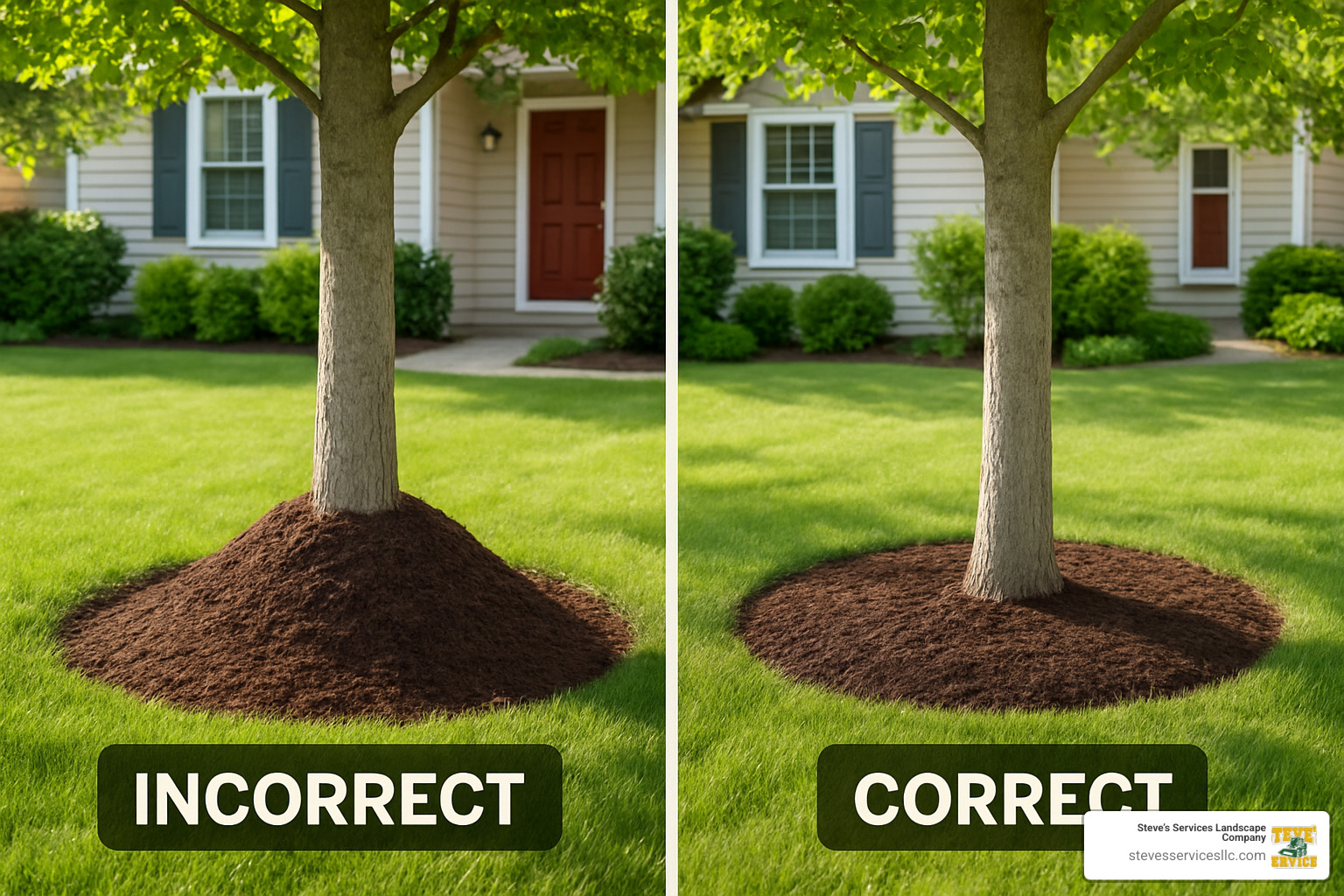
The infamous “mulch volcano” might be the most common landscaping error I see in Massachusetts neighborhoods. This happens when mulch is piled high against tree trunks, creating a cone shape that resembles a volcano. While it might look neat to some eyes, this practice traps moisture against the bark, creating the perfect environment for rot, fungal diseases, and insect infestations. Always maintain a 2-3 inch gap between your mulch and any tree trunk – your trees will thank you!
Over-enthusiastic pruning is another frequent misstep. I’ve seen homeowners get carried away with those pruning shears, removing far more than is healthy. As a rule of thumb, never remove more than 25-30% of a plant’s foliage at once. Excessive pruning stresses plants, reduces their energy reserves, and can lead to decline or even death. Remember: pruning is about strategic removal, not wholesale cutting.
Skipping soil testing before applying amendments is like taking medicine without a diagnosis. Different Massachusetts soils have vastly different needs – what works in sandy Cape Cod soil might be completely wrong for the clay-heavy soils in parts of Middlesex County. Professional soil tests are inexpensive and provide specific guidance on exactly what your soil needs (and doesn’t need). This small step saves money and prevents environmental harm from unnecessary applications.
Mulch depth is truly a Goldilocks situation – not too thin, not too thick, but just right. The ideal depth for most applications is 2-4 inches. Anything less won’t effectively suppress weeds or retain moisture, while excessive mulch creates a barrier that prevents water from reaching roots and can create harmful anaerobic conditions in the soil. When refreshing existing mulch, remember to account for what’s already there.
Local disposal rules vary significantly across Massachusetts communities, and ignoring them can result in fines or rejection of your yard waste. This is particularly important when dealing with invasive species like Japanese knotweed or oriental bittersweet, which require special disposal methods to prevent spread. Professional services steer these regulations as part of their standard practice, ensuring compliance and environmental responsibility.
Finally, never underestimate the importance of proper safety equipment. Yard work accounts for thousands of preventable injuries each year. At minimum, eye protection, heavy gloves, and appropriate footwear should be standard for any cleanup work. When operating power equipment like chainsaws or hedge trimmers, additional protective gear becomes essential. Professional crews are trained in safety protocols and properly equipped – one of the many benefits of hiring experts.
Frequently Asked Questions about Yard Cleanup and Mulching
How often should a typical Massachusetts yard receive cleanup and mulching?
If you’re wondering about the ideal schedule for your Massachusetts property, you’re not alone. Most of our clients find that at least two major cleanups per year hit the sweet spot—one in spring and another in fall. Spring cleanup sets the stage for the growing season by clearing winter debris and preparing beds for new growth. Fall cleanup prevents damage from fallen leaves and prepares your landscape for winter’s challenges.
When it comes to mulch, timing matters too. Organic mulches like bark typically need refreshing annually, with a complete replacement every 2-3 years. Areas that see heavy foot traffic or slopes that experience erosion might need touch-ups more frequently to maintain both function and appearance.
Many of our clients in Danvers and Wakefield have finded that quarterly service provides the perfect balance. This approach aligns naturally with seasonal changes and addresses small issues before they become major problems. The quarterly rhythm keeps your property looking consistently well-maintained throughout the year.
For showcase properties or homes with extensive landscaping, monthly maintenance during the growing season (April through October) provides the highest level of care. This frequency allows us to stay ahead of weeds, monitor plant health, and maintain that manicured look that makes neighbors take notice.
Why does labor dominate the overall cleanup invoice?
It’s true—labor typically accounts for 90-95% of your yard cleanup and mulching invoice, and there’s good reason for this. This work is genuinely labor-intensive, requiring skilled workers and specialized equipment to complete efficiently and correctly.
Professional crews bring valuable expertise to your property. They can identify plants at a glance, know exactly how to prune different species for optimal health, and understand proper disposal methods for various types of debris. This knowledge prevents costly mistakes like accidentally removing valuable perennials or improperly handling invasive species.
The equipment operation itself requires significant training and experience. A professional with a backpack blower can clear leaves in a fraction of the time it would take an amateur with a handheld model. The same goes for hedge trimmers, power rakes, and other specialized tools. This efficiency is what you’re paying for—not just the equipment, but the skill to use it effectively.
Let’s not forget the physical demands of the work. Yard cleanup and mulching involves hours of bending, lifting, and carrying—often in less-than-ideal weather conditions. As one of our Melrose clients put it, “After trying to handle spring cleanup myself and spending two weekends with a sore back, hiring professionals was the best decision I made all year.”
Is colored mulch safe for vegetable gardens?
This is a question we hear frequently, especially as colored mulches have become more popular. For vegetable gardens, we generally recommend natural, undyed mulches. These include options like straw, pine needles, leaf mold, and natural bark mulch—all excellent choices for food-growing areas.
Colored mulches use dyes to achieve their vibrant appearance. While most modern mulch dyes are considered non-toxic (they’re typically iron oxide-based), many gardeners prefer to avoid any synthetic additives where they’re growing food. It’s a personal choice that balances aesthetics with peace of mind.
If you do decide to use colored mulch in your vegetable garden, look for products certified by the Mulch and Soil Council, which tests for harmful contaminants. Always verify the source material—ensure your colored mulch is made from virgin wood rather than recycled pallets or construction waste, which might contain chemicals you wouldn’t want near your tomatoes.
For most edible landscapes, we typically suggest natural compost mulch. This option provides additional nutrients as it breaks down, improving soil health while still delivering all the moisture retention and weed suppression benefits you expect from mulch. As one of our gardening clients in Revere noted, “Using compost as mulch in my vegetable beds gave me the best harvest I’ve had in years—it was like feeding and protecting my plants in one step.”
Conclusion
Comprehensive yard cleanup and mulching services truly form the foundation of a beautiful, healthy landscape. After spending years working with Massachusetts homeowners, I’ve seen how these essential maintenance tasks transform neglected yards into stunning outdoor spaces that families can enjoy throughout our region’s distinct seasons.
A healthier landscape isn’t just about looks—it’s about creating a sustainable outdoor environment that thrives year after year. When we properly prune your shrubs, we’re not just making them look tidy; we’re promoting vigorous growth and disease resistance. When we apply that perfect 2-4 inch layer of mulch, we’re setting up a natural weed suppression system that reduces your need for chemical herbicides while conserving precious moisture during our sometimes dry New England summers.
Understanding what goes into pricing helps take the mystery out of landscape maintenance. Whether you’re planning for routine seasonal care or tackling that “neglect cleanup” after purchasing a new home, knowing the factors that influence costs helps you budget appropriately and avoid surprises. And remember, investing in regular maintenance almost always costs less in the long run than sporadic restoration projects.
For our neighbors throughout the communities we serve—Burlington, Danvers, Everett, Lynnfield, Medford, Melrose, North Reading, Reading, Revere, Saugus, Stoneham, Winchester, Woburn, Malden, and Wakefield—Steve’s Services brings a personalized approach to every property. We don’t believe in one-size-fits-all solutions because every yard has its own character, challenges, and potential.
Our team brings more than just equipment to your property—we bring decades of collective experience working specifically with Massachusetts landscapes. We understand which pruning techniques work best for your hydrangeas, which mulch types perform better on your sloped areas, and how to time our services to work with our region’s unique weather patterns.
I’ve always believed that a well-maintained landscape is one of the best investments a homeowner can make. It’s not just about boosting property value (though it certainly does that)—it’s about creating a space where memories are made. It’s the backdrop for your summer barbecues, the play area for your children, and your personal retreat after a long day.
Contact Steve’s Services today to schedule your professional yard cleanup and mulching service, and let us show you the difference that expert care makes for your landscape. We’re not just maintaining your yard—we’re helping you create your own outdoor sanctuary.
More info about complete Landscape Cleanup