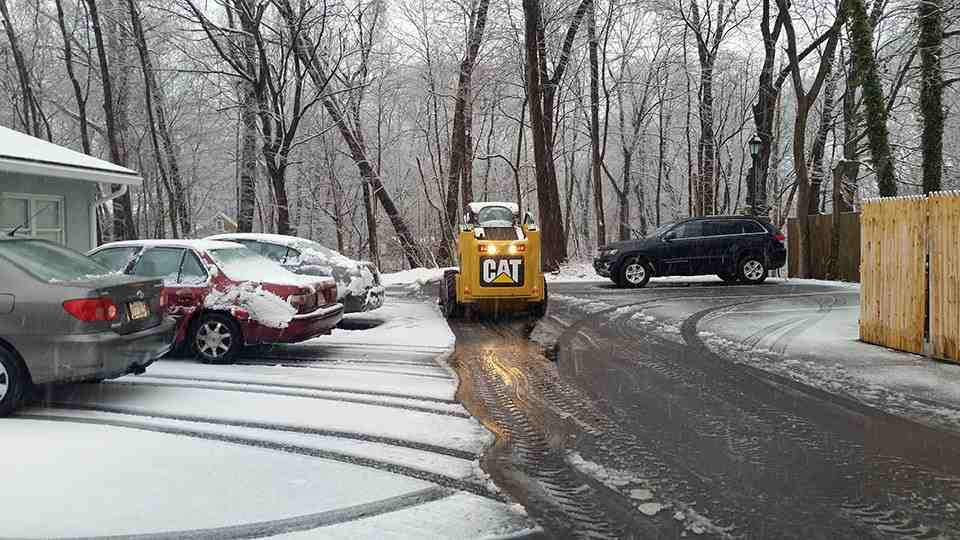
Commercial Snow Removal Cost: Top Strategies for 2024
Commercial snow removal cost is a critical consideration for property managers and business owners facing New England’s harsh winters. Ensuring clear and safe pathways is vital, but understanding the expenses involved is just as important. On average, commercial snow removal costs can vary widely, typically ranging around $125 for basic services, but potentially reaching up to $1,300 depending on factors like method of removal, snow accumulation, and property size.
The snow removal industry has grown complex with technological advancements and evolving climate patterns. Contractors must now be proactive, using real-time weather data for efficient and timely service. This shift from reactive to proactive strategies is not just about maintaining accessibility—it’s about optimizing operations and minimizing liability risks. As a result, understanding commercial snow management costs helps businesses budget effectively and choose the right service provider to keep operations running smoothly during winter months.
I’m Steve Sylva, the owner of Steve’s Services, with over 25 years of experience in landscape and snow management. Having provided commercial snow removal cost solutions across Massachusetts, I know the nuances of this service are critical to keeping properties safe and accessible. Let’s dive deeper into the factors that influence these costs and how you can steer them effectively.
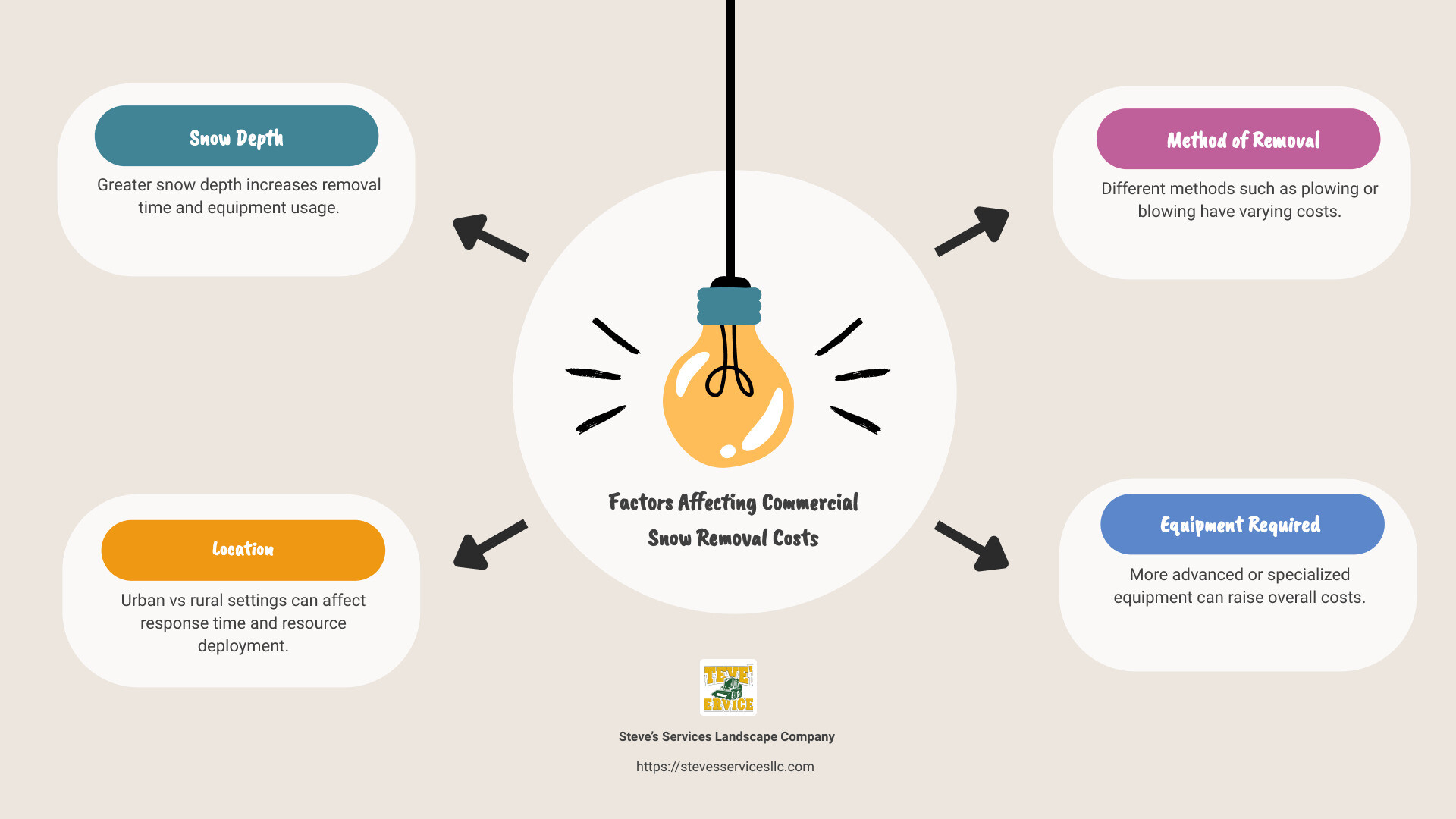
Commercial snow removal cost basics:
– commercial snow removal contracts
– commercial snow removal pricing calculator
– how to price commercial snow removal
Factors Influencing Commercial Snow Removal Cost
When it comes to commercial snow removal cost, several factors play a significant role in determining the final price. Let’s break down these influences to better understand what you’re paying for and why.
Overhead Costs
Overhead costs are the fixed expenses your snow removal company incurs to stay operational. These include:
- Insurance: Both vehicle and snow plow insurance are essential. They protect against potential damages and liabilities during snow removal operations.
- Vehicle Maintenance: Regular upkeep of snow removal equipment ensures efficiency and prevents costly breakdowns. This includes everything from oil changes to major repairs.
- Business Operations: These are general expenses like office rent, utilities, and administrative costs. They form the backbone of any business and contribute to overall service pricing.
Job Duration
The length of time it takes to complete a snow removal job directly impacts costs. Here’s what to consider:
- Time Estimation: Accurately predicting how long a job will take is crucial. This involves assessing the size of the area and the depth of the snow.
- Labor Hours: The more hours required, the higher the cost. This is especially relevant for larger properties or those with complex layouts.
- Setup Time: Don’t forget about the time spent getting equipment ready and traveling to the site. These hours are also billable.
Equipment Needed
The type and amount of equipment required can significantly affect pricing. Common tools include:
- Snow Plows: Ideal for large areas like parking lots. They’re efficient but come with higher fuel and maintenance costs.
- Snow Blowers: Perfect for smaller or more confined spaces, such as sidewalks. They are less costly to operate than plows.
- Salt Spreaders: Used to prevent ice formation, adding another layer of safety. While they increase costs, they also reduce liability risks.
Each of these factors plays a crucial role in shaping the overall commercial snow removal cost. By understanding them, property managers and business owners can make informed decisions about their snow removal needs and budget accordingly.
Pricing Strategies for Commercial Snow Removal
When it comes to pricing commercial snow removal, there are several strategies to consider. Each method has its own benefits and is suitable for different situations. Let’s explore these strategies to help you choose the best one for your needs.
Hourly Rate
Charging by the hour is straightforward. You calculate the cost based on the number of workers, their hourly rate, and the time it takes to clear the snow. For example, if you have two workers at $100 per hour each and a job takes four hours, the total cost would be $800.
This method is ideal for properties where the duration of snow removal can vary greatly due to unpredictable conditions. It provides flexibility and ensures you only pay for the time spent on your property.
Per Event
The per event pricing model charges a flat rate for each snowstorm or significant snowfall. This approach is best for areas with infrequent snow events, as it simplifies budgeting. You know exactly how much each snow event will cost, eliminating surprises.
However, define what constitutes an “event” to avoid misunderstandings. Typically, this is a set amount of snowfall within a 24-hour period.
Per Visit
With per visit pricing, you pay a flat rate every time the service is performed. This model works well in regions with consistent snowfall, where frequent visits are necessary. It allows for easier budgeting since you can estimate the average number of visits needed per season.
Knowing the average number of snow events in your area helps in planning and ensures you don’t overspend.
Per Inch
Charging per inch is a simple and transparent pricing strategy. You pay based on the depth of the snow. Rates are typically broken down into tiers, such as 1-3 inches, 3-6 inches, and so on.
This method is straightforward and ensures you only pay for the amount of snow present. It’s particularly useful for areas where snowfall can vary significantly from one event to the next.
Seasonal Contracts
Seasonal contracts offer a subscription-like model where you pay a flat fee for the entire snow season. This method is popular in regions with heavy snowfall, as it provides cost predictability and peace of mind.
With a seasonal contract, you benefit from consistent service without worrying about fluctuating costs. It’s a cost-effective option for businesses that need regular snow removal to maintain operations.
Each of these pricing strategies offers unique advantages. The right choice depends on your property’s needs, local weather patterns, and budget preferences.
Common Snow Removal Methods and Their Costs
When it comes to commercial snow removal, several methods are commonly used. Each has its own cost structure and is suited to different situations. Let’s explore these methods in detail.
Snow Plowing
Cost per Hour: Typically ranges from $30 to $80 per crew member.
Efficiency: Snow plowing is one of the most efficient ways to clear large areas quickly. It’s ideal for parking lots or long driveways where speed is crucial.
Ideal Scenarios: Snow plowing works best in open spaces without many obstacles. It’s perfect for heavy snowfall and large commercial properties that need quick and repeated clearing.
Snow Blowing
Cost per Hour: Similar to snow plowing, ranging between $30 to $80 per crew member.
Efficiency: Snow blowing is effective for clearing snow in tighter spaces where a plow might not fit, like sidewalks or narrow pathways.
Ideal Scenarios: Snow blowing is best for areas with obstacles or where precision is needed. It’s a good choice for urban settings with limited space.
Snow Shoveling
Cost per Hour: Generally lower than mechanized methods, but varies based on labor costs.
Labor-Intensive: Snow shoveling is the most labor-intensive method. It involves manual effort and is slower compared to plowing or blowing.
Ideal Scenarios: Suitable for small areas or when the snow depth is minimal. It’s often used for clearing steps, small walkways, and areas with delicate surfaces.
Salt Application
Cost per Application: Typically between $20 to $45.
Benefits: Salt helps melt ice and prevent new ice from forming, making surfaces safer to walk or drive on.
Ideal Scenarios: Salt application is best used after snow removal to ensure pathways remain clear and safe. It’s ideal for areas prone to icing, like sidewalks and driveways.
Each method has its advantages and specific use cases. The choice of method depends on the property size, snow conditions, and budget considerations. Understanding these factors can help you select the most cost-effective solution for your commercial snow removal needs.
Additional Cost Considerations
When planning for commercial snow removal, several additional factors can influence the overall cost. These include property size, special conditions, and response time. Each of these factors can significantly impact the pricing and approach to snow removal services.
Property Size
The size of the property is a major determinant of the commercial snow removal cost. Larger areas, like parking lots, require more time and resources to clear, leading to higher costs. For instance, clearing a 50,000 square-foot parking lot with obstacles can cost around $900 per snowfall.
- Parking Lots: The cost varies based on the lot’s size and complexity. Larger lots with multiple obstacles or tight spaces can increase the time and equipment needed.
- Sidewalks and Walkways: These areas often need more precise equipment, like snow blowers, which can affect pricing. The more extensive the network of sidewalks, the higher the cost.
Special Conditions
Special conditions, such as location and terrain, also play a crucial role in determining costs.
- Rural Areas: Snow removal in rural areas can be more expensive due to travel time and the potential need for specialized equipment to steer difficult terrain.
- Curbs and Obstacles: Properties with many curbs, landscaping features, or other obstacles require more careful and time-consuming work, increasing labor costs.
Response Time
The speed at which services are rendered can impact pricing, especially during a snow event.
- Trigger Amounts: Some contracts specify a certain snow depth that triggers service. Lower trigger amounts can mean more frequent visits, potentially raising costs.
- Emergency Services: Quick response during severe weather is essential but can be costly. Emergency services usually come with premium rates due to the need for immediate deployment and potentially overtime labor.
Understanding these additional cost considerations is vital for budgeting and planning your commercial snow removal needs effectively. By accounting for these factors, you can ensure that your property remains accessible and safe throughout the winter season.
How to Budget for Commercial Snow Removal
Budgeting for commercial snow removal involves a few key steps: estimating costs, setting a budget, and accounting for seasonal variations. Let’s break these down to make it simple.
Estimating Costs
Start by understanding the average costs in your area. Commercial snow removal costs can vary widely depending on location, property size, and service type. For example, in regions with heavy snowfall, like New England, costs might be higher due to increased demand and operational challenges.
Local Rates: Check with local providers to get a sense of typical pricing. This can include hourly rates, per event charges, or seasonal contracts. For instance, snow removal in Chicago might differ significantly from that in smaller towns due to different snowfall patterns and urban density.
Competitive Analysis: Look at what competitors are offering. This can help you understand the market and set competitive yet profitable rates.
Setting a Budget
Once you have an idea of costs, it’s time to set a budget. Here’s a simple formula to help:
[
\text{Estimated Cost per Event} \times \text{Average Number of Snow Events} = \text{Seasonal Budget}
]
For example, if each snow removal event costs $500 and you expect 15 events in a season, your budget should be around $7,500.
Example Calculation: If your property requires snow removal for a 30,000 square-foot parking lot at $15 per 1,000 square feet, the cost per event would be $450. Multiply this by the expected number of snowfalls to get your seasonal budget.
Seasonal Variations
Snowfall isn’t consistent, so your budget should account for seasonal variations.
Snowfall Frequency: Some winters are snowier than others. Review historical snowfall data to anticipate potential fluctuations.
Contract Adjustments: Consider flexible contracts that allow for adjustments based on snowfall frequency. For instance, a seasonal contract with a clause for additional charges if snowfalls exceed a certain number can help manage unexpected costs.
By focusing on these areas, you can develop a comprehensive and adaptable budget for your commercial snow removal needs. This ensures that your property remains accessible and safe, no matter the winter’s severity.
Frequently Asked Questions about Commercial Snow Removal Cost
How do you calculate commercial snow plowing?
Calculating the cost of commercial snow plowing involves several factors. Start with the size of the area that needs plowing, such as parking lots or sidewalks. Larger areas will naturally cost more.
Next, consider the type of service you need. Are you looking for just plowing, or do you need additional services like salt spreading? Each service adds to the cost.
Hourly Rates are common for snow plowing. For instance, commercial parking lots might cost between $50 to $160 per hour. The rate can vary based on location, equipment used, and complexity of the job.
Per Event Pricing is another option. This is a flat rate for each snow event, regardless of its duration. It’s ideal if you want predictable costs.
Finally, don’t forget to factor in overhead costs like fuel, labor, and maintenance of equipment. These can significantly impact the overall price.
How much is snow removal in Chicago?
The cost of snow removal in Chicago can vary greatly depending on several factors:
- Size of the Property: Larger properties require more time and resources, leading to higher costs.
- Type of Service: Simple plowing might be less expensive than comprehensive removal and deicing.
- Frequency of Snowfall: Chicago’s snowfall patterns can influence costs. More frequent snowfalls mean more frequent service, which can increase expenses.
On average, commercial snow removal services in Chicago might range from $100 to $200 per hour. However, it’s best to consult with local providers for precise estimates, as rates can fluctuate based on demand and service specifics.
How do I budget for snow removal?
Budgeting for snow removal involves a few straightforward steps:
- Estimate Costs: Start by researching local rates. Understand the average cost per event and the typical number of snow events in your area.
- Set a Seasonal Budget: Use a simple formula:
[
\text{Estimated Cost per Event} \times \text{Expected Number of Events} = \text{Seasonal Budget}
]
For example, if each event costs $500 and you expect 10 events, your seasonal budget would be $5,000.
- Account for Variations: Weather can be unpredictable. Consider contracts that allow for adjustments based on snowfall frequency. This flexibility can help manage unexpected costs.
By following these steps, you can ensure that your snow removal expenses are manageable and that your property remains safe and accessible throughout the winter season.
Conclusion
Navigating the complexities of commercial snow removal cost is crucial for businesses seeking effective and budget-friendly solutions. Understanding the various factors that influence pricing—from overhead and equipment needs to labor and insurance costs—can empower you to make informed decisions. By exploring different pricing strategies, such as hourly rates or seasonal contracts, you can tailor your approach to fit your specific needs and budget.
At Steve’s Services, we pride ourselves on delivering personalized snow management solutions that cater to the unique needs of each client. Our expertise in the field, coupled with our commitment to exceptional customer service, ensures that your commercial property remains safe and accessible throughout the winter months. We use advanced technology and skilled personnel to offer comprehensive services that go beyond simple snow plowing, including snow blowing, shoveling, and salt application.
For more information on how we can assist with your snow management needs, please visit our Snow Management page. Here, you’ll find detailed insights into our services and can easily reach out to our team for a consultation.
If you have any questions or are ready to schedule a service, don’t hesitate to contact us. We’re here to help you steer the winter months with confidence and ease.