Backyard Bobcat: 5 Stunning Tips for Safe 2024 Coexistence
Understanding the Rise of Bobcats in Urban Areas
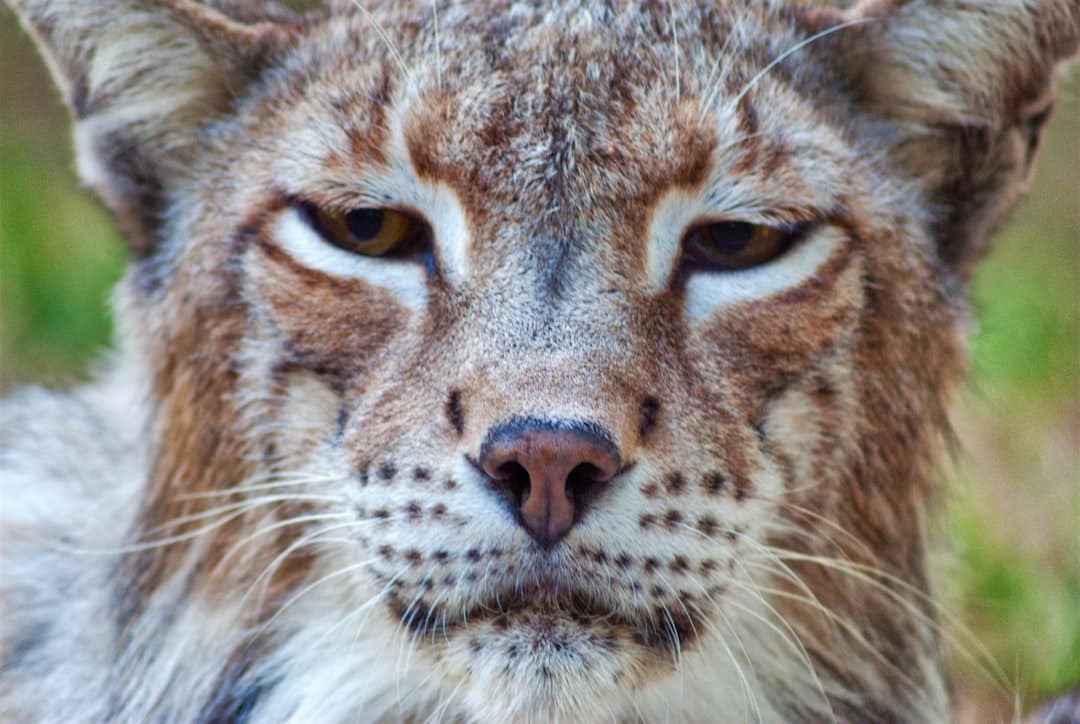
Noticing a backyard bobcat may make you wonder what’s unfolding in your outdoor space. Bobcats are increasingly becoming a part of urban wildlife, as their conservation success has fostered a remarkable comeback. These adaptable creatures thrive by navigating city landscapes, often confused with large domestic cats or small stray animals. If you’re curious about a backyard bobcat, here’s what you need to know:
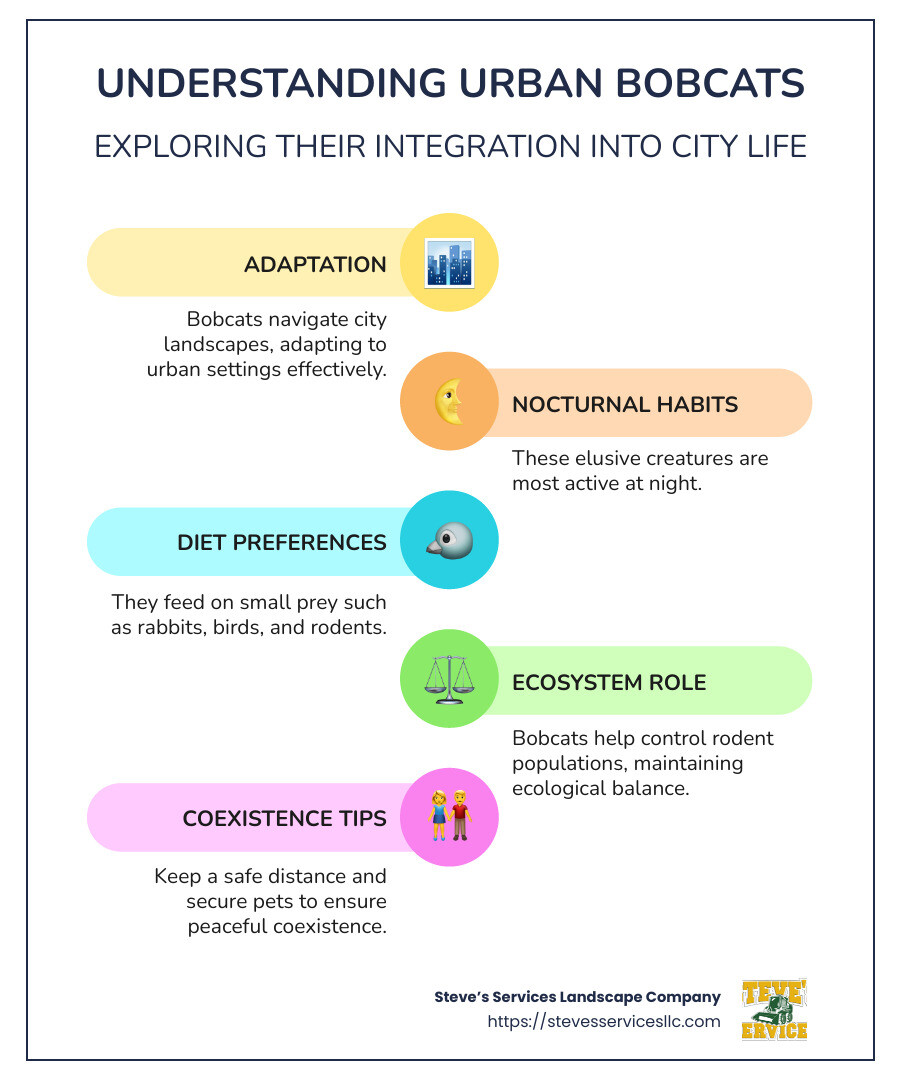
- Bobcats are typically shy and avoid human interaction.
- They are solitary, primarily nocturnal animals.
- Attractions: small prey like rabbits, birds, or even backyard chicken coops.
- If sighted, maintain a safe distance and ensure pets are secure.
These stealthy predators play a crucial role in the ecosystem by controlling populations of rodents and other small animals.
I’m Steve Sylva, the owner of Steve’s Services, with over 25 years of expertise in changing landscapes throughout Massachusetts. Experiencing the sight of a backyard bobcat is an opportunity to learn and coexist with wildlife, a theme central to our landscaping goals. Transitioning now, we’ll explore the intriguing behaviors and habits that make bobcats such a fascinating part of urban life.
Backyard bobcat terms to remember:
– bobcat excavators
– bobcat services
Understanding Bobcat Behavior
Bobcats are fascinating creatures, especially when they adapt to urban environments. Here’s a closer look at their behavior:
Nocturnal Habits
Bobcats are primarily nocturnal, meaning they’re most active at night. This helps them avoid human interaction and reduces the chance of being spotted. They hunt under the cover of darkness, using their keen senses to stalk prey silently.
Urban Adaptation
Despite their elusive nature, bobcats have shown remarkable adaptability to city life. In various suburban areas, researchers have observed them using these landscapes effectively. Bobcats find these areas appealing due to the abundance of small prey and sheltered spots for resting or raising young.
Diet Preferences
Bobcats have a varied diet, primarily consisting of small animals. In urban areas, they often hunt rodents, rabbits, and birds. While they might occasionally target backyard chickens, research shows their urban diet largely mirrors that of their wild counterparts. This makes them valuable for controlling pest populations.
Understanding these behaviors can help you coexist peacefully with a backyard bobcat. Next, we’ll explore what attracts these intriguing animals to your yard and how you can manage their presence.
What Attracts Bobcats to Your Yard?
Bobcats are drawn to certain features in urban yards. Let’s look at the main attractions for these elusive creatures:
Food Sources
Bobcats primarily hunt small animals. Rodents, rabbits, and birds are their main targets. If your yard has a lot of these creatures, it could attract a backyard bobcat. They help control pest populations, which can be a benefit. However, if you have chickens, ensure they are secured, as bobcats might be tempted by them. Reinforce your chicken coop with heavy, welded wire and consider using electric fencing for added protection.
Water Sources
Like all animals, bobcats need water. If you have a pond or birdbath, it might attract them, especially in dry areas. While it’s great to provide water for birds and other wildlife, be mindful that it could also invite bobcats.
Shelter
Bobcats look for safe places to rest and raise their young. Dense shrubs, woodpiles, or unused structures can provide the perfect hideout. To make your yard less inviting, keep these areas tidy and remove any potential shelters.
Understanding what attracts bobcats can help you manage their presence and coexist peacefully. In the next section, we’ll cover safety tips for living alongside these fascinating urban neighbors.
Safety Tips for Coexisting with Bobcats
Living with bobcats in your neighborhood doesn’t have to be scary. By taking a few simple steps, you can keep your pets safe and your yard less inviting to these wild visitors.
Pet Protection
Bobcats rarely attack pets, but it’s still important to be cautious. Here are some tips to protect your furry friends:
- Keep pets indoors at night. Bobcats are mostly nocturnal hunters, so bring pets inside from dusk to dawn.
- Supervise outdoor time. When your pets are outside during the day, keep an eye on them, especially if you live near wooded areas.
- Build a secure pet enclosure. If your pets spend a lot of time outside, consider building a secure, fenced area to keep them safe.
Noise Deterrents
Bobcats are shy creatures and can be easily scared away by sudden noises. Here’s how you can use sound to your advantage:
- Motion-activated alarms. These devices can startle bobcats and deter them from sticking around.
- Wind chimes or bells. Hang these around your yard to create unexpected noises that might discourage bobcats from entering.
Secure Enclosures
If you have animals like chickens or rabbits, secure their enclosures to prevent bobcat visits:
- Use heavy, welded wire. Chicken wire alone is not enough. Opt for 16-gauge welded wire with small openings.
- Install electric fencing. An electric wire along the top of your fence can add extra security.
- Check for gaps. Make sure there are no openings in the fence or coop that a bobcat could squeeze through.
By following these safety tips, you can enjoy the presence of a backyard bobcat without worrying about your pets or property. Understanding and respecting these wild neighbors can lead to peaceful coexistence.
In the next section, we’ll answer some common questions about living with bobcats.
Frequently Asked Questions about Backyard Bobcats
What should I do if I see a bobcat in my backyard?
Seeing a backyard bobcat can be a thrilling experience. But if you’re concerned, there are simple ways to handle the situation:
- Scare tactics: If the bobcat seems too comfortable or bold, try making loud noises. Clap your hands, yell, or bang pots together. You can also spray water at the bobcat using a hose or squirt gun. These actions can encourage the bobcat to move along.
- Reporting sightings: If a bobcat is frequently visiting your yard and you’re worried, consider contacting local wildlife authorities. They can provide guidance and assess if further action is needed.
Are bobcats dangerous to humans or pets?
Bobcats are generally shy and avoid humans. Attacks on people are extremely rare. However, they might pose a risk to small pets:
- Rare attacks: Bobcats are more interested in hunting natural prey like rabbits and rodents. Human encounters are not on their agenda.
- Pet safety measures: Keep small pets indoors, especially at night. If your pets are outside during the day, supervise them. For those with chickens or rabbits, ensure their enclosures are secure.
How can I prevent bobcats from entering my property?
To make your yard less attractive to bobcats, consider the following strategies:
- Landscaping tips: Trim shrubs and tall grasses where bobcats might hide. Keep your yard open and visible to deter them.
- Removing attractants: Don’t leave pet food outside, and secure garbage cans with tight lids. Remove bird feeders and bird baths, as they can attract prey animals that bobcats hunt.
By following these tips, you can enjoy the beauty of a backyard bobcat without worry. Taking steps to protect your pets and make your yard less inviting can lead to peaceful coexistence.
Next, we’ll dig deeper into understanding bobcat behavior and how to appreciate these fascinating creatures in your neighborhood.
Conclusion
At Steve’s Services, we believe that coexisting with wildlife, including the intriguing backyard bobcat, is not just possible but also enriching. By understanding and respecting these creatures, we can create a harmonious balance in our shared environments.
Coexistence Strategies
Coexisting with bobcats starts with making informed choices about your outdoor spaces. Simple adjustments like securing pet enclosures and removing food attractants can go a long way. Keep your yard tidy and open, reducing places for bobcats to hide. Using noise deterrents when necessary can maintain a respectful distance between you and these wild neighbors.
Wildlife Appreciation
Bobcats are a testament to nature’s resilience, adapting to urban settings while maintaining their vital role in the ecosystem. Observing a bobcat in your backyard can be a unique and educational experience. It reminds us of the importance of wildlife conservation and the beauty these animals bring to our lives.
How Steve’s Services Can Help
Our team at Steve’s Services is here to assist with all your landscaping needs while keeping wildlife in mind. We offer personalized solutions that not only beautify your property but also promote safe and respectful coexistence with local wildlife. Whether it’s designing secure enclosures or providing expert landscaping advice, we’re committed to helping you enjoy your outdoor space to the fullest.
By embracing coexistence strategies and fostering an appreciation for wildlife, we can all play a part in preserving the natural beauty of our communities. Let’s work together to create environments where both humans and bobcats can thrive.