
Why Reading, MA Homeowners Search for Retaining Wall Solutions
Retaining wall Reading MA contractors provide essential services for homeowners facing sloped terrain, soil erosion, and drainage challenges. If you’re looking for professional retaining wall installation, here’s what you need to know:
Reading sits in suburban Massachusetts where many properties feature sloped lots and varied terrain. These landscape challenges create the perfect storm for soil erosion, foundation stress, and wasted outdoor space. Without proper slope management, heavy New England rainfall can wash away topsoil, damage your foundation, and turn your backyard into an unusable hillside.
A well-designed retaining wall solves these problems while adding beauty and value to your property. Whether you need to protect your home’s foundation, create a level patio area, or build terraced garden beds, the right wall can transform your landscape from a maintenance headache into an outdoor oasis.
My name is Steve Sylva, and I’ve spent over 25 years helping property owners throughout Reading, MA and the Greater Boston area design and install durable hardscaping solutions, including custom retaining walls. Through Steve’s Services, we’ve seen how the right retaining wall Reading MA installation can solve both practical problems and create stunning outdoor living spaces.
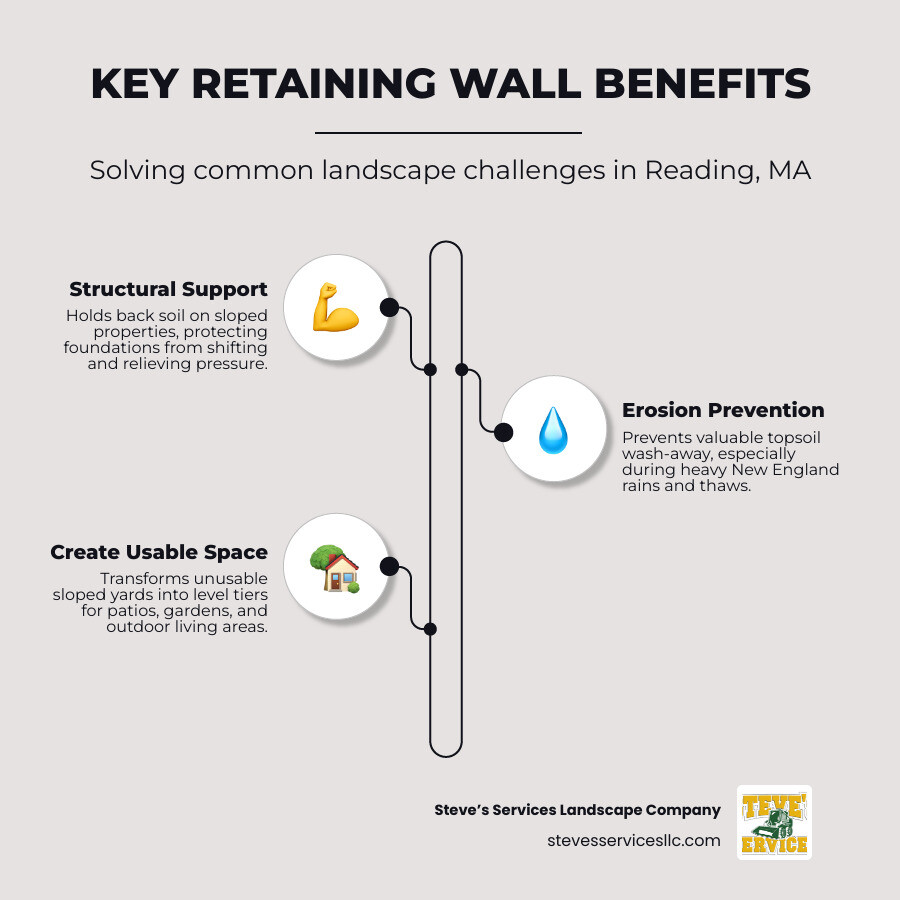
Why Your Reading, MA Property Might Need a Retaining Wall
Many Reading homeowners face challenges with sloped properties. While charming, this terrain can lead to soil erosion, foundation stress, and wasted outdoor space. Heavy New England rains can wash away topsoil, and shifting ground can threaten your home’s structural integrity.
A retaining wall Reading MA installation is a practical and aesthetic solution. It’s not just about looks; it’s about solving real problems that affect your home’s safety and your enjoyment of your yard. A wall can prevent soil erosion, provide crucial foundation protection, and improve stormwater runoff management by directing water safely away from your house.
Beyond solving problems, retaining walls create opportunities. That awkward slope can become beautiful tiered gardens or an expanded patio for furniture and entertaining. We’ve helped countless Reading homeowners turn their most challenging landscape features into their favorite outdoor spaces.
For more ideas on changing your outdoor areas, check out our complete hardscaping services.
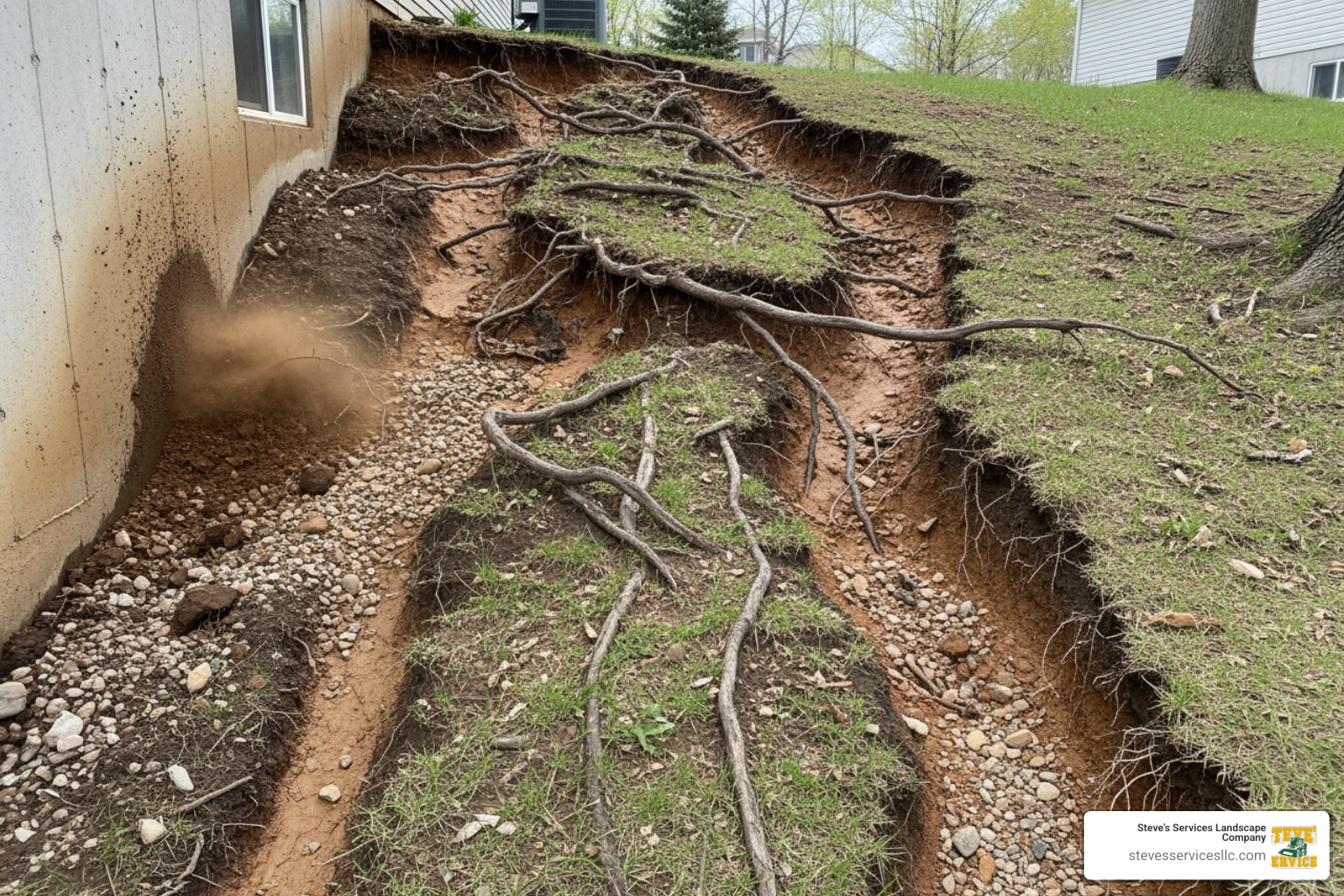
The Functional Benefits of a Professionally Installed Wall
At its core, a retaining wall provides structural support by holding back tons of soil. This prevents soil shifting, protecting driveways and walkways from cracking and buckling. A professional installation also includes critical water drainage systems—like gravel backfill and pipes—to prevent hydrostatic pressure from damaging the wall and to channel water away from your basement.
A key benefit homeowners often overlook is that retaining walls can dramatically increase your usable square footage. A steep bank can be terraced into flat, functional space for a playset, garden, or patio, reclaiming a previously unusable part of your property.
Enhancing Your Landscape’s Beauty and Value
Retaining walls are also powerful design elements. They create defined garden beds in neat tiers that are easy to plant and maintain. We can also integrate outdoor seating areas, like built-in benches, or use the wall to define a patio or fire pit area. This creates distinct “zones” in your yard, making it feel more spacious and intentional.
The impact on curb appeal is immediate. A well-crafted wall adds architectural interest and shows that your property is thoughtfully designed. This directly translates to increasing property value, as quality hardscaping is a feature that attracts buyers. With custom design aesthetics, your wall can match your home’s style, whether you prefer the timeless look of natural stone or the clean lines of modern concrete blocks.
Types and Materials for Your Retaining Wall in Reading, MA
Choosing the right materials for your retaining wall Reading MA project is crucial for success. We work with you to match the perfect wall type and material to your property’s needs, aesthetic vision, and budget, ensuring it will stand strong through decades of New England weather.
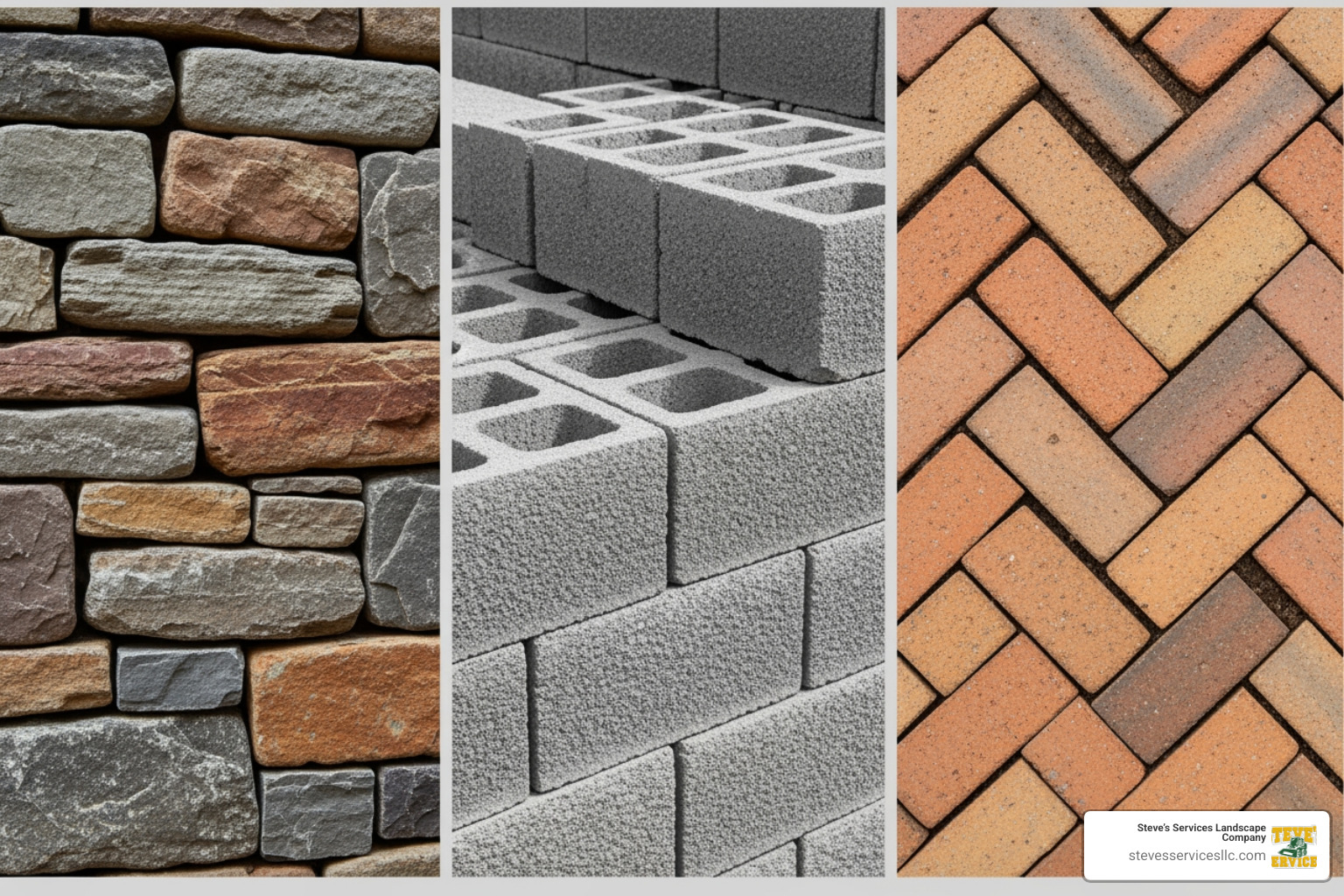
Thoughtful material selection and design versatility allow us to create a look that fits the local New England style while handling our challenging freeze-thaw cycles.
Common Retaining Wall Structures
Understanding the different wall types helps you appreciate the engineering involved:
- Gravity walls use their own substantial weight to resist soil pressure. They are typically built wider at the base from heavy materials like large stones.
- Segmental block walls are popular systems using interlocking concrete blocks. They are versatile for creating curves and patterns and offer excellent structural engineering.
- Cantilevered walls are reinforced L-shaped structures used for taller walls. The weight of the soil on the footing helps hold the wall in place.
- Anchored walls are used for very tall or challenging sites. They are reinforced with cables or stays anchored deep into the soil or rock behind the wall.
Popular Material Choices for a Retaining Wall Reading MA
The material you choose shapes your wall’s appearance, durability, and maintenance needs.
| Material | Durability | Aesthetics | Maintenance |
|---|---|---|---|
| Natural Stone | Excellent; lasts 50-100+ years if installed correctly. | Classic, organic, timeless. Wide range of colors and textures; blends well with natural landscapes. | Low; occasional cleaning, re-pointing mortar if used. |
| Concrete Blocks | Very Good; lasts 50-100 years. | Versatile; available in various shapes, colors, and textures (e.g., split-face, tumbled, smooth). | Low; occasional cleaning. |
| Brick | Good to Very Good; lasts 50-100 years. | Traditional, neat, uniform. Creates a refined, classic look. | Low; occasional cleaning, re-pointing mortar. |
Natural stone is the classic choice for Reading, offering a timeless look that can last a century or more. While it typically costs more upfront, its longevity and beauty make it a worthwhile investment.
Concrete blocks (segmental systems) offer incredible flexibility in a variety of colors and textures that can mimic natural stone. They are engineered for strength, handle freeze-thaw cycles well, and are often a cost-effective choice.
Brick brings a traditional, refined aesthetic that complements many classic New England homes. It creates clean lines and offers very good durability, making it ideal for formal garden designs.
We help you weigh these factors to find the perfect fit for your property, ensuring you get a wall with both the custom finishes you want and the structural integrity you need.
The Professional Installation Process: From Design to Build
Building a retaining wall Reading MA homeowners can trust requires more than just stacking stones or blocks. It’s a carefully orchestrated process that combines engineering expertise, skilled craftsmanship, and attention to detail at every stage.
When you partner with us for your retaining wall project, we start with a thorough consultation. We walk your property together, discussing what you hope to achieve and identifying any challenges your landscape presents. Maybe you’ve got a stubborn slope that’s been eroding for years, or perhaps you’re dreaming of a terraced garden that makes the most of a hillside. Whatever your vision, we listen carefully and assess what it will take to make it a reality.
Once we’ve agreed on a design that meets your needs and budget, we establish a realistic project timeline. We’ve learned over 25 years that honest communication about timing prevents frustration down the road. Then the real work begins with hiring a contractor you can trust.
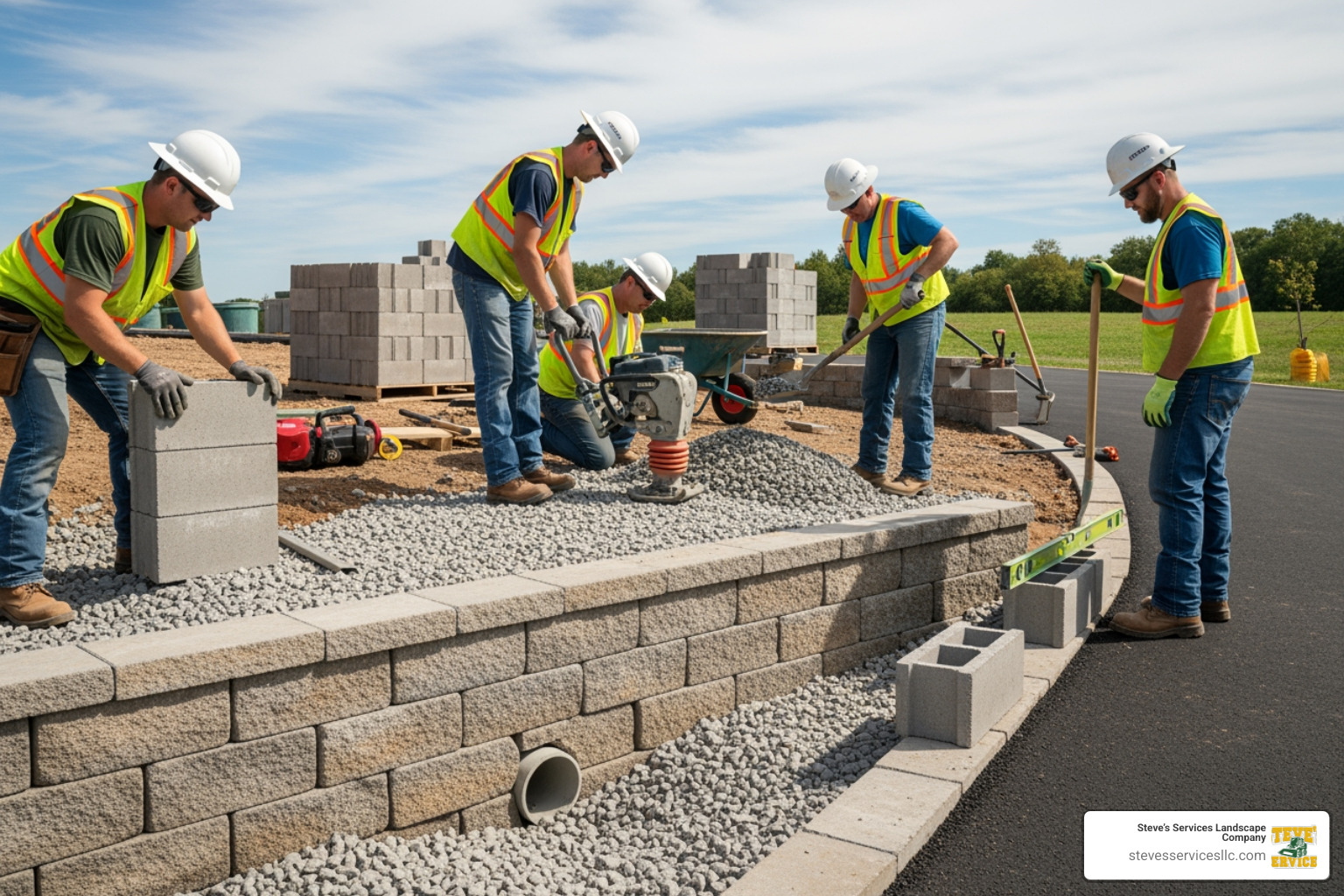
The physical installation starts with site preparation, where we clear vegetation, mark utilities, and prepare the work area. Next comes excavation, which is far more precise than simply digging a trench. We carefully calculate the depth and width needed for your specific wall design, accounting for soil type and wall height.
The base material phase is critical, though it’s often the least visible part of the finished wall. We lay down several inches of compacted gravel or crushed stone, creating a stable, level foundation that will prevent settling and shifting. This step can’t be rushed or skimped on without compromising the entire structure.
As the wall rises, we carefully manage backfill and compaction behind it. This isn’t just dumping dirt back in the hole. We add gravel in layers, compacting each one thoroughly to ensure proper drainage and support. This methodical approach prevents future problems and ensures your wall will stand strong through decades of New England weather.
Key Design and Permitting Considerations
Before we break ground on any retaining wall project, several important factors need careful attention. Getting these right from the start saves time, money, and headaches later.
Soil analysis might sound technical, but it’s really about understanding what we’re working with. Is your property sitting on clay that holds water? Sandy soil that drains quickly? Rocky terrain that requires special excavation? Each soil type behaves differently under pressure, and we design your wall accordingly. This isn’t guesswork—it’s engineering based on real site conditions.
Drainage systems deserve special emphasis because they’re absolutely essential in our climate. New England doesn’t do anything halfway, including rain and snowmelt. Without proper drainage, water accumulates behind your wall, creating massive pressure that can cause even well-built walls to fail. We integrate comprehensive drainage solutions into every wall we build, including gravel backfill, perforated pipes that act as French drains, and strategically placed weep holes that let water escape safely.
The Town of Reading has specific regulations about retaining walls, particularly regarding wall height regulations. Generally speaking, walls over 4 feet tall trigger permit requirements and may need review by a structural engineer. This isn’t bureaucratic red tape—these rules exist to ensure walls are safe and won’t fail catastrophically.
Understanding local building codes is part of our job, not yours. Reading’s codes specify foundation depths, material requirements, and reinforcement standards. We stay current on these requirements so your project proceeds smoothly. Engineering requirements come into play for larger walls or those supporting significant loads like driveways. In these cases, a licensed professional engineer must certify the design’s structural integrity.
We always recommend checking with the local building department early in your planning process. The Town of Reading’s permit portal provides access to applications and requirements. We’re familiar with this process and help our clients steer it without confusion.
Finding the Right Contractor for Retaining Wall Reading MA
Choosing who builds your retaining wall Reading MA project might feel overwhelming, but focusing on a few key factors makes the decision clearer. A retaining wall is a significant investment that should last for generations, so you want a team that’s proven they can deliver quality work.
Local experience matters more than you might think. A contractor who’s built dozens of walls in Reading understands how our soil behaves, knows which materials hold up best in Massachusetts weather, and can steer local permitting requirements without delays. We’ve spent over 25 years working throughout Reading and surrounding communities like North Reading, Melrose, and Wakefield, and that familiarity with local conditions shows in the durability of our walls.
When you’re vetting local contractors, start by checking licenses and insurance. Any reputable contractor should be properly licensed and carry comprehensive liability and workers’ compensation insurance. This protects you if something goes wrong during construction. Don’t be shy about asking for proof—professionals expect this question.
Reviewing portfolios gives you a window into a contractor’s capabilities and style. Look at photos of completed projects similar to what you’re envisioning. Do the walls look solid and well-crafted? Do they complement the surrounding landscape? Better yet, ask if you can visit a completed project in person. Seeing and touching the actual work tells you more than photos ever could.
Understanding warranties separates contractors who stand behind their work from those who disappear after cashing your check. Ask what’s covered and for how long. Quality contractors typically offer multi-year warranties on new installations because they’re confident in their craftsmanship.
Finally, requesting detailed estimates from multiple contractors helps you understand what you’re paying for. A good estimate breaks down costs for materials, labor, excavation, drainage systems, and permits. If an estimate seems too good to be true, it probably is—quality materials and skilled labor cost money, and corners cut during construction lead to expensive repairs later.
At Steve’s Services, we’ve built our reputation on transparent communication, quality workmanship, and walls that last. When you’re ready to transform your sloped yard into functional, beautiful outdoor space, we’re here to help. For expert installation and comprehensive outdoor solutions, explore our masonry contractors services.
Frequently Asked Questions about Retaining Walls
Over our 25+ years working with homeowners throughout Reading and the Greater Boston area, we’ve heard just about every question you can imagine about retaining walls. Here are the ones that come up most often, answered in plain language.
How much does a retaining wall cost in the Reading area?
This is always the first question, and honestly, it’s the hardest to answer without seeing your property. Every yard presents its own unique challenges, and that’s what makes pricing so variable.
Based on average costs from internet data, you can generally expect retaining wall installation to run anywhere from $25 to $80+ per square foot. That’s quite a range, I know. The lower end might be a simple, shorter wall using basic concrete blocks on easily accessible, flat terrain. The higher end could involve natural stone materials, challenging site conditions, or walls requiring engineering.
Several factors drive where your project falls in that range. Wall size is the most obvious—a 3-foot-tall wall that’s 20 feet long requires far less material and labor than a 6-foot wall stretching 50 feet. Your material choice makes a significant difference too. Natural stone creates that gorgeous, timeless New England look, but it’s more labor-intensive to install than segmental concrete blocks.
Site accessibility can really impact costs. If we can’t get equipment close to your wall location, that means more manual labor and time. Similarly, labor complexity increases when your design includes curves, steps, or integrated seating areas. Difficult soil conditions—like heavy clay or lots of buried rocks—also add to the work involved.
Don’t forget about the hidden but essential elements: drainage requirements like French drains and proper backfill, and any permits and engineering needed for taller walls. These all factor into your final investment.
These are just averages to help you budget. Every property is different, which is why we always provide detailed, personalized estimates after walking your site and understanding exactly what you need.
Do I need a permit for a retaining wall in Reading, MA?
The short answer is: probably yes, especially if you’re building anything substantial.
Reading’s building department typically requires a permit for any retaining wall over 4 feet in height, measured from the bottom of the foundation to the top of the wall. But here’s where it gets a bit more nuanced—even shorter walls might need permits depending on their location and what they’re supporting.
Property lines are a big consideration. If your wall sits close to a neighbor’s property, there may be setback requirements you’ll need to follow. Walls that support driveways, patios, or other structures often require permits regardless of height because of the additional load they’re bearing.
The town isn’t trying to make your life difficult with these requirements. They’re ensuring that walls are built safely and won’t fail, potentially damaging property or endangering people. For taller walls, you’ll likely need an engineer’s stamp confirming the design is structurally sound—especially important given our freeze-thaw cycles here in Massachusetts.
The best approach? Contact the local building department before you start planning. You can access forms and information through the Town of Reading’s permit portal. We help our clients steer this process all the time, so you won’t be doing it alone. It’s much easier to get the right permits upfront than to deal with issues later.
How long do retaining walls last?
This is where quality materials and proper installation really prove their worth. A well-built retaining wall isn’t just a few-year investment—it’s something that can last generations.
Concrete and stone walls are the champions of longevity. When we install these correctly with proper foundations and drainage, they typically last 50 to 100 years or more. We’ve seen stone walls in New England that have stood for over a century, still doing their job beautifully. The durability comes from the materials themselves—they don’t rot, they resist weather extremes, and they actually get stronger over time as everything settles into place.
Segmental block walls made from interlocking concrete units fall into the same longevity category, generally lasting 50 to 100 years. Their engineered design distributes weight effectively, and modern manufacturing produces incredibly durable blocks that withstand our harsh Massachusetts winters.
If you’re considering treated timber walls, understand that they have a shorter lifespan—typically 20 to 40 years. Wood is organic, and despite chemical treatments, it will eventually succumb to moisture, insects, and decay. That’s just the nature of the material.
Here’s the critical point: the material you choose matters, but proper installation and drainage matter even more. I’ve seen expensive stone walls fail within a few years because water wasn’t managed correctly. Conversely, I’ve seen modest concrete block walls still standing strong after 70 years because they were built right from day one.
Hydrostatic pressure from trapped water is the number one killer of retaining walls. In Massachusetts, we also deal with frost heave—when water in the soil freezes, expands, and pushes against your wall. Without proper drainage systems, even the best materials won’t save you.
When we build a retaining wall Reading MA project, we design it to last. That means excavating deep enough, installing adequate drainage with gravel backfill and perforated pipes, and compacting everything properly. It’s not the glamorous part of the job, but it’s what ensures your wall will still be standing strong decades from now.
Conclusion: Transform Your Landscape with an Expertly Built Wall
Your Reading, MA property deserves more than just a functional solution to those challenging slopes—it deserves a change that improves every aspect of your outdoor space. Throughout this guide, we’ve explored how a retaining wall Reading MA installation goes far beyond simply holding back soil. These structures provide crucial structural integrity that protects your home’s foundation from the shifting forces of gravity and weather. They prevent erosion from washing away your valuable topsoil and landscape investments. They manage stormwater effectively, directing water where it belongs rather than toward your basement or driveway.
But the benefits extend well beyond protection. A thoughtfully designed retaining wall creates aesthetic improvement that changes how you experience your property. Imagine converting that steep, unusable hillside into beautiful terraced gardens where you can grow vegetables, flowers, or create peaceful sitting areas. Picture a level patio space where your family can gather for summer barbecues without worrying about uneven ground. These improvements aren’t just about looking good—they translate directly into increased property value. Potential buyers recognize quality hardscaping as a sign of a well-maintained home.
The unique challenges of Reading’s terrain and New England’s weather make professional installation essential. You need someone who understands local soil conditions, knows how to design proper drainage systems for our heavy spring rains and winter thaws, and can steer the permitting requirements specific to our area.
That’s where choosing a qualified professional makes all the difference. At Steve’s Services, we’ve spent more than 25 years building retaining walls throughout Reading and the Greater Boston area. We know what works here because we’ve seen every type of slope, soil condition, and landscape challenge this region can throw at us. Every wall we build is engineered for longevity, installed with meticulous attention to drainage and foundation work, and designed to complement your home’s unique character.
Your landscape change starts with a conversation. Whether you’re dealing with erosion near your foundation, dreaming of a terraced garden, or simply want to reclaim usable space from a sloped yard, we’re here to help you explore what’s possible.
Ready to turn that challenging slope into your favorite outdoor feature? Contact us for your masonry and retaining wall needs and let’s discuss how we can bring your vision to life with a retaining wall that’s built to last.
