
Eco friendly lawn treatment: Ultimate Guide 2025
The Environmental Impact of Traditional Lawn Care
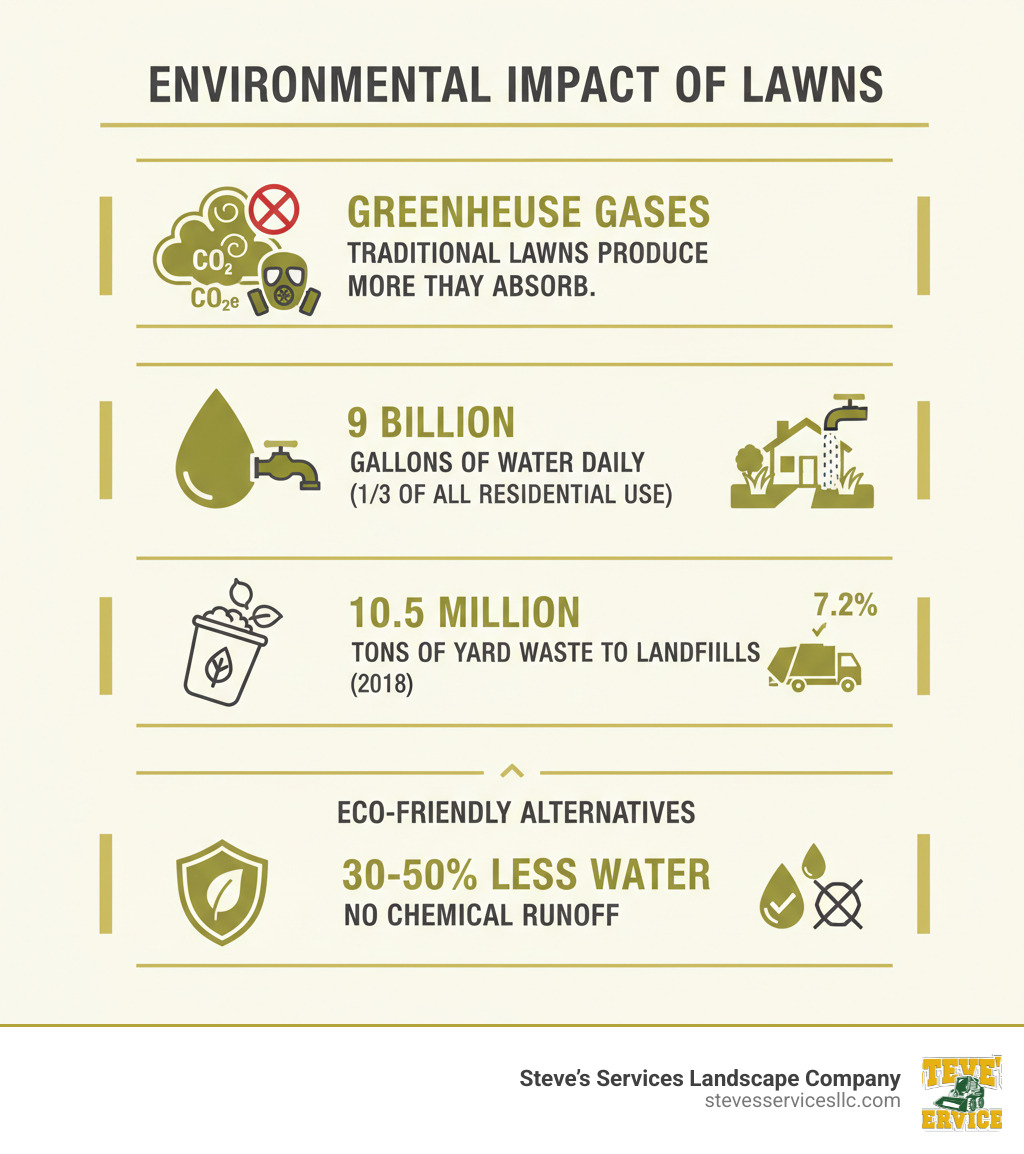
Eco friendly lawn treatment options are becoming essential as homeowners recognize the surprising environmental cost of a perfect green lawn. Traditional practices often produce more greenhouse gases than lawns absorb and demand immense resources. For instance, landscape irrigation accounts for a third of all residential water use—about 9 billion gallons daily nationwide. In 2018, landfills received 10.5 million tons of yard trimmings.
Fortunately, modern eco-friendly treatments offer effective and safer alternatives for families. These solutions focus on building healthy soil ecosystems rather than relying on quick chemical fixes. Key strategies include:
- Using organic fertilizers and natural weed controls.
- Introducing beneficial microorganisms to improve soil.
- Employing integrated pest management and water-saving irrigation.
- Planting native grass varieties that thrive locally.
I’m Steve Sylva, owner of Steve’s Services, with over 25 years of landscape experience in the Greater Boston area. I’ve seen how eco friendly lawn treatment programs create healthier, more resilient lawns while protecting our local environment.
Why Go Green? The Compelling Benefits of Eco-Friendly Lawn Care
Switching to eco friendly lawn treatment is about creating a safer, healthier space for your family. The peace of mind from knowing kids and pets can play on a lawn free from harsh synthetic chemicals is an immediate and tangible benefit.
Beyond your property line, the advantages are just as significant. Reduced chemical runoff is crucial for protecting our local waterways. Synthetic fertilizers and pesticides can wash into storm drains, contaminating the rivers and lakes our communities depend on and contributing to harmful algal blooms.
Eco-friendly methods truly shine by focusing on improved soil health. Instead of just feeding the grass, organic treatments build a thriving underground ecosystem of beneficial microorganisms. This strengthens your lawn’s root system, making it naturally more resistant to drought, disease, and pests.
This approach fosters increased biodiversity. A lawn treated with natural methods encourages beneficial insects like ladybugs and lacewings, which help control pests without chemical intervention.
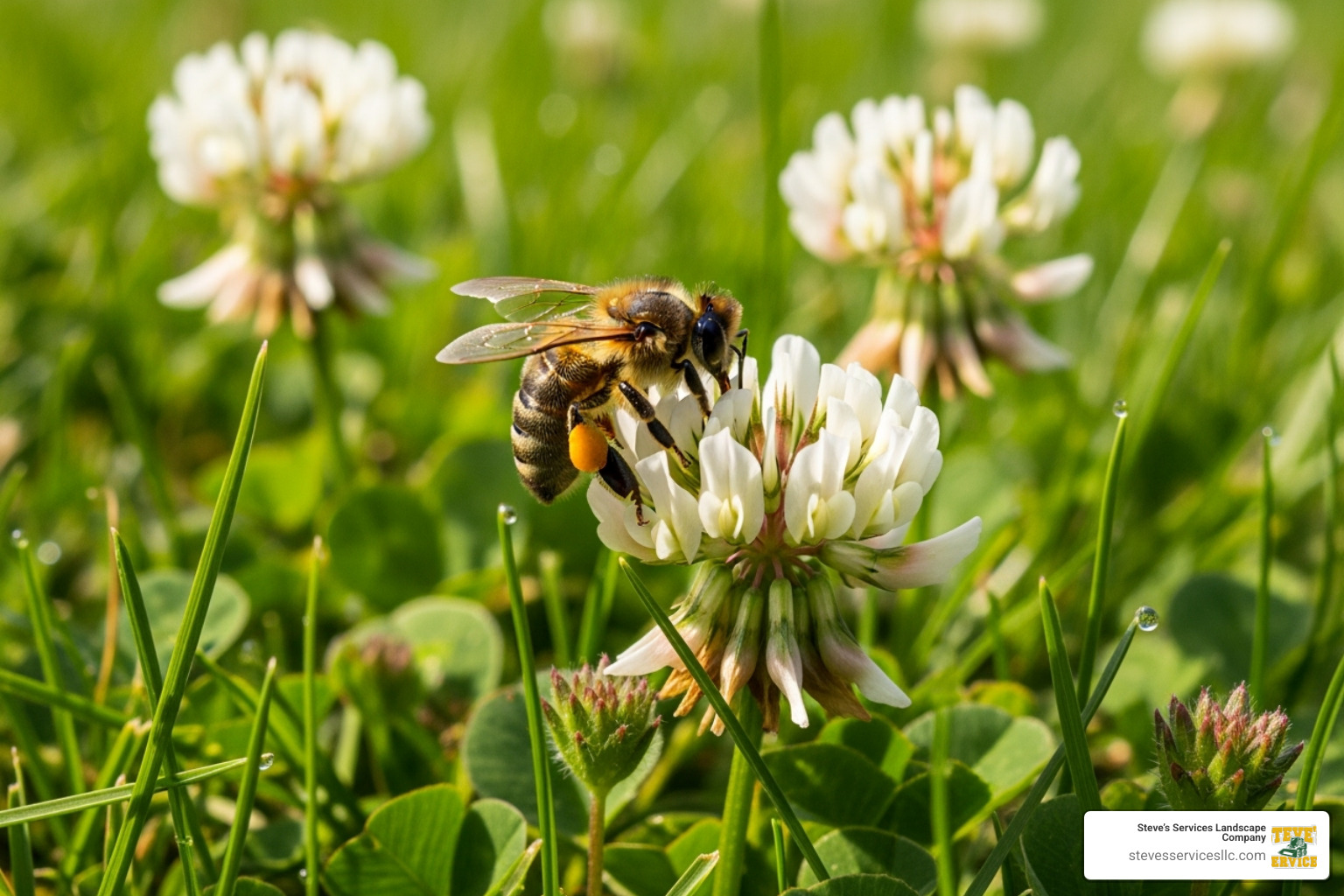
Attracting pollinators like bees and butterflies becomes a natural side effect, supporting our food supply and overall environmental health. Sometimes we even encourage beneficial plants like clover, which is drought-resistant and self-fertilizing.
This leads to long-term sustainability and a more resilient lawn. An organically managed lawn becomes less dependent on constant inputs. Its deep roots access water more efficiently, leading to reduced water usage. Considering landscape irrigation accounts for approximately one-third of all residential water use, this conservation is substantial. These benefits compound over time, creating a lawn that is more beautiful, sustainable, and requires less intervention year after year.
Decoding the Labels: Organic, Natural, and Synthetic Explained
Understanding terms like “organic,” “natural,” and “synthetic” is key to choosing the right eco friendly lawn treatment. Each label represents a different approach to lawn care.
Synthetic products are manufactured chemicals designed for fast, visible results. They contain readily available nutrients that green up grass quickly. However, they often bypass the soil’s natural ecosystem, potentially harming beneficial microorganisms and increasing the risk of chemical runoff into local waterways.
Natural products use ingredients from naturally occurring sources like compost, bone meal, or corn gluten meal. They release nutrients more slowly, nourishing both the grass and the soil’s microbial community. This gentler approach supports long-term health but still requires proper application, as not everything “natural” is harmless.
Organic products are the gold standard. To be certified organic, products must meet strict guidelines, ensuring ingredients are naturally sourced and processed without synthetic chemicals or additives. Organic treatments focus on building long-term soil health and creating a balanced ecosystem, leading to a truly sustainable and resilient lawn.
Here’s how these three approaches compare:
| Feature | Synthetic Products | Natural Products | Organic Products |
|---|---|---|---|
| Nutrient Source | Chemical compounds | Plant, animal, or mineral sources | Certified natural sources (no synthetics) |
| Release Speed | Fast-acting, quick results | Slower, sustained release | Slower, sustained release |
| Impact on Soil Microbes | Can disrupt or harm | Generally supports | Actively improves |
| Risk of Environmental Runoff | Higher, especially with over-application | Lower, as ingredients are biodegradable | Very low, designed for ecological balance |
While synthetics offer instant gratification, our experience at Steve’s Services shows that organic treatments build the foundation for a lawn that thrives season after season.
The Core Components of an Eco Friendly Lawn Treatment Program
An effective eco friendly lawn treatment program starts with a simple idea: take care of the soil, and the soil will take care of your grass. This soil-first philosophy views your lawn as a living ecosystem. By working with natural processes instead of relying on chemical fixes, we build a lawn that is healthier, more resilient, and safer for your family and pets.
Natural Fertilizers: Feeding the Soil, Not Just the Plant
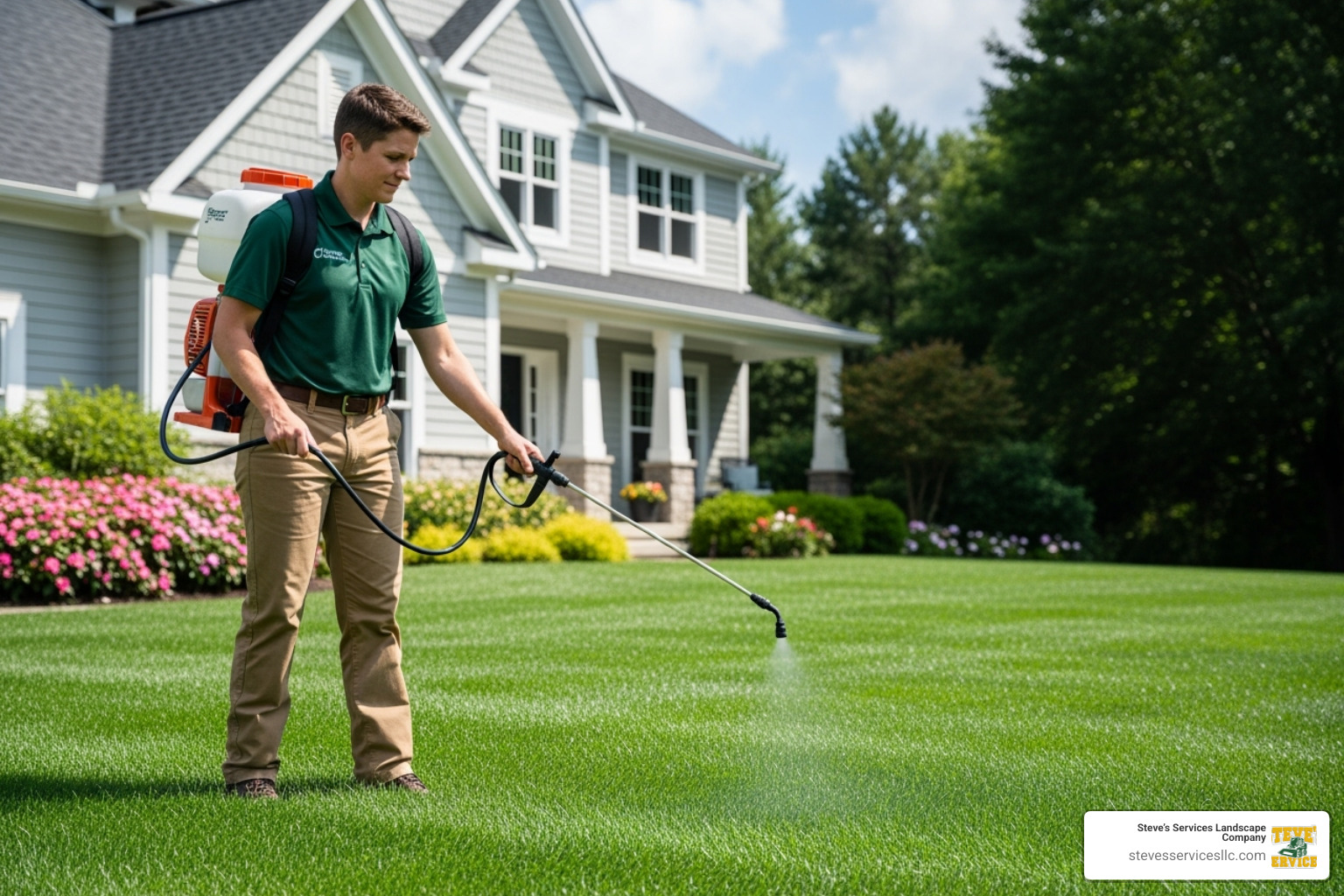
The heart of our program is nourishing the soil. Unlike chemical fertilizers that provide a temporary “sugar rush,” natural fertilizers build sustained health.
- Compost-based and organic fertilizers (using ingredients like bone meal, seaweed, and fish emulsion) feed the soil, not just the plant. They improve soil structure, help retain water, and introduce beneficial microorganisms.
- Slow-release nutrients provide a steady diet for your grass, preventing lawn burn and reducing nutrient runoff. This encourages deep, strong roots that naturally resist drought and disease.
By feeding the soil’s microbial life, we create a self-sustaining system that improves your lawn’s health 24/7. Learn more about our fertilizing services.
Eco-Friendly Weed Control Solutions
Controlling weeds doesn’t require harsh chemicals. Our approach combines smart prevention with targeted, safe solutions.
- Pre-emergent control using products like corn gluten meal stops weed seeds from germinating in the spring without leaving harmful residues.
- Post-emergent spot treatments with natural herbicides derived from vinegar or plant oils target existing weeds without contaminating the surrounding soil.
The best weed control is a thick, healthy lawn. A dense turf naturally crowds out weeds by blocking sunlight. Our soil-building approach makes your grass the primary defense against weeds. Explore our landscape maintenance services for a comprehensive approach.
Natural Pest and Disease Management
We use Integrated Pest Management (IPM) to create a balanced ecosystem where pests are managed, not just eliminated. This strategy recognizes that most insects are beneficial.
- Encouraging natural predators like ladybugs and lacewings provides natural pest control. We avoid broad-spectrum pesticides that kill these helpful creatures.
- Prevention is key. A healthy, properly watered and nourished lawn is naturally resistant to most pests and diseases.
- Targeted biological controls, such as beneficial nematodes for grubs, are used when intervention is necessary. These solutions are effective without harming people, pets, or beneficial organisms.
This patient approach builds a self-regulating ecosystem, reducing pest problems over time. Ask about our pest and disease management programs if you have concerns.
Your Year-Round Eco-Friendly Lawn Care Calendar
A thriving lawn requires working with nature’s cycles. In Massachusetts, each season demands a specific eco friendly lawn treatment approach to build resilience and ensure year-round health. Proactive, seasonal care is the key to success.
Spring: Awakening Your Eco-Lawn
Spring is for laying the groundwork for a healthy growing season. Our focus is on recovery and preparation.
- Soil Testing: We start by testing your soil to create a targeted treatment plan instead of guessing.
- Core Aeration: This relieves winter compaction, allowing air, water, and nutrients to reach the grass roots.
- Pre-Emergent Weed Control: We apply natural products like corn gluten meal to prevent weed seeds from sprouting.
- Light Fertilization: A slow-release organic fertilizer provides gentle nutrition to encourage strong root growth.
- Overseeding: We fill in bare patches to create a thick turf that naturally resists weeds.
Give your lawn the best start with our spring yard clean-up services.
Summer: Maintaining Resilience and Vigor
Summer’s heat and foot traffic can stress a lawn. Our goal is to maintain strength and resilience.
- Mow High: Keeping grass at 3-4 inches shades the soil, conserves moisture, and suppresses weeds.
- Water Deeply & Infrequently: Thorough watering once or twice a week encourages deep, drought-resistant roots.
- Spot-Treat Weeds: We use targeted eco-friendly treatments only where needed.
- Monitor for Pests: Early detection allows us to use natural solutions before problems escalate.
Keep your lawn looking its best with our landscape maintenance programs.
Fall: Preparing for a Healthy Winter Dormancy
Fall care is a crucial investment in next year’s lawn. We focus on strengthening your grass for the winter ahead.
- Apply Winterizer Fertilizer: An organic, slow-release formula helps grass store energy in its roots for winter.
- Final Aeration and Overseeding: Fall’s cool air and warm soil are ideal for establishing new, cool-season grass.
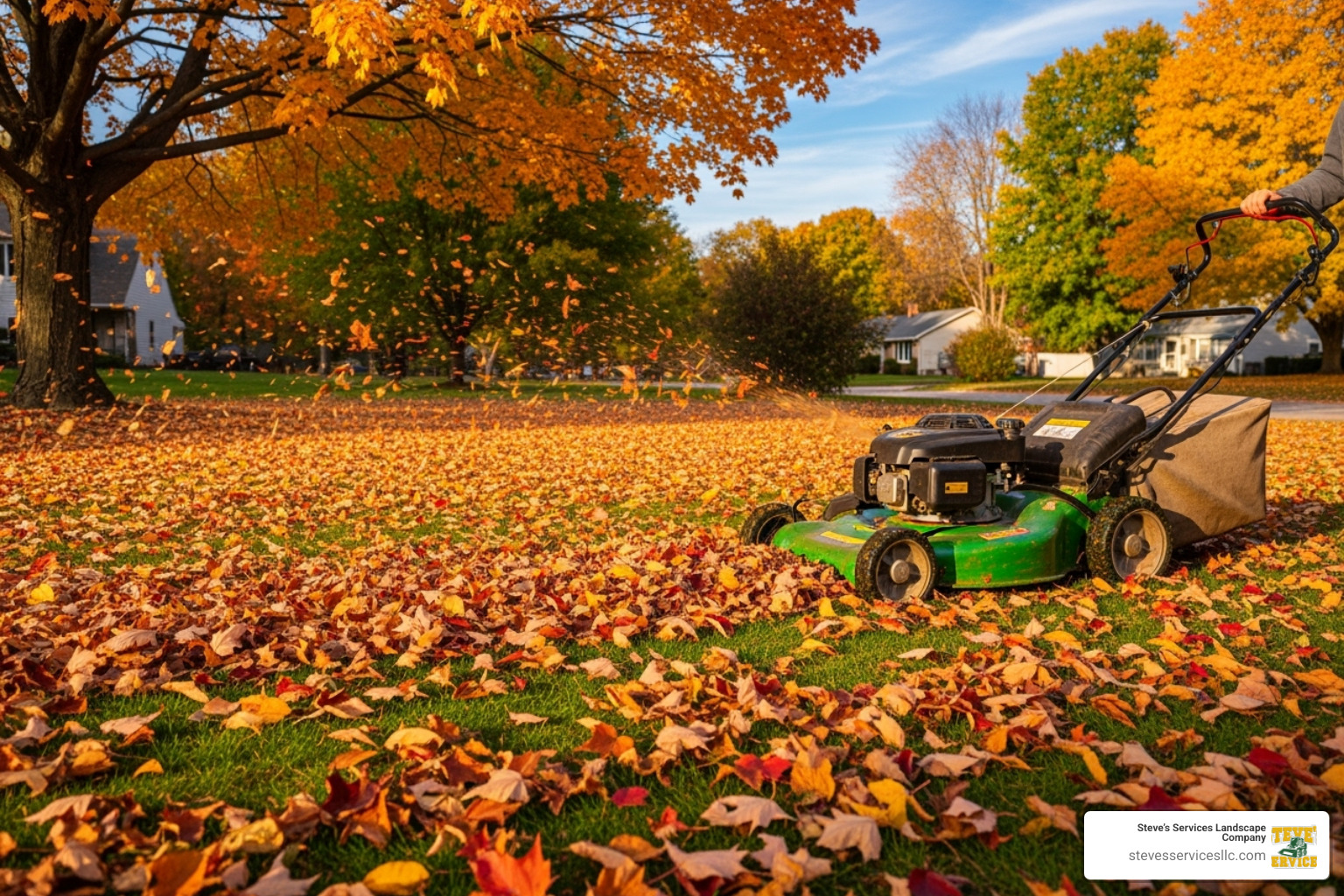
- Mulch Leaves: Instead of raking, mulching leaves into the lawn returns valuable nutrients to the soil.
Prepare for the cold with our fall yard clean-ups.
Supporting Your Treatments: Essential Eco-Friendly Practices
An eco friendly lawn treatment program combines organic products with smart maintenance. This holistic approach, which we practice across communities from Burlington to Everett, ensures every aspect of your lawn care works together to support your eco-friendly goals.
Smart Mowing and Watering for a Sustainable Lawn
How you mow and water is critical for a sustainable lawn.
- Mow High: Keep grass at 3-4 inches. Taller grass develops deeper roots and naturally shades out weeds.
- Use Sharp Blades: Sharp blades provide a clean cut, which helps the grass heal faster and resist disease.
- Grasscycle: Leave clippings on the lawn. They act as a natural fertilizer, returning nutrients to the soil.
- Water Early: Water before 10 a.m. to reduce evaporation and prevent fungal growth.
- Water Deeply: A thorough soaking once or twice a week encourages deep, drought-resistant roots. You can even use a rain barrel to conserve water.
Building a Foundation: Soil Health and Grass Selection
Healthy soil is the secret to a low-maintenance, beautiful lawn.
- Soil Testing: This is the essential first step. A test reveals your soil’s pH and nutrient needs, preventing guesswork and ensuring treatments are effective. We recommend testing annually for sandy soils or every 2-3 years for clay.
- Choose the Right Grass: Climate-appropriate grasses, like tall fescue for our New England climate, require less water and fertilizer. Native and low-input varieties are even better, as they are naturally adapted to local conditions and support wildlife.
For expert guidance on grass selection, consider our professional new lawn installation services.
Choosing a Professional Eco Friendly Lawn Treatment Service
When hiring a company, ask the right questions to ensure they are genuinely “green.”
- Verify Certifications: Look for credentials in organic or sustainable lawn care.
- Ask About Products: A reputable provider will be transparent about the natural and organic products they use.
- Inquire About Equipment: Ask if they use electric or low-emission equipment to reduce noise and air pollution.
- Confirm Local Knowledge: Ensure they understand Massachusetts’ specific soil types and climate challenges.
- Expect Clear Communication: A professional service should set realistic expectations and explain their methods clearly.
At Steve’s Services, we pride ourselves on these principles, serving communities like Melrose, Saugus, and Stoneham with expert, personalized solutions.
Frequently Asked Questions about Eco-Friendly Lawn Treatments
Switching to an eco friendly lawn treatment program naturally brings up questions. With 25 years of experience in Massachusetts, I’ve heard them all. Here are some honest answers.
Are eco-friendly treatments as effective as chemical ones?
It depends on how you define “effective.” If you want instant, dramatic greening, synthetic chemicals work faster. However, if your goal is a lawn that becomes healthier, stronger, and more resilient each year, eco friendly lawn treatment is superior.
Chemicals provide a short-term fix, while organic methods build long-term soil health. This creates a self-sustaining ecosystem with deeper roots, better drought tolerance, and a naturally vibrant green color. It requires patience, but the cumulative results are worth it.
How much does an eco friendly lawn treatment cost?
While some organic products may have a slightly higher upfront cost, the long-term economics are often favorable. A healthier lawn requires less water, fewer emergency pest treatments, and less frequent reseeding, which can lead to savings over time.
Think of it as an investment in your property’s value and your family’s health. You’re paying for safer play areas and a cleaner local environment.
Please note: Average costs based on internet data suggest professional lawn treatments can range from $75 to $300+ per application, depending on lawn size and condition. Actual costs for Steve’s Services may vary based on your specific property and needs.
How long does it take to transition a lawn to organic care?
Patience is key. A lawn previously treated with synthetic chemicals needs time to detoxify and rebuild its natural soil biology. Most lawns take 1 to 3 seasons to fully transition.
During the first year, the focus is on rebuilding soil health. By the second season, you’ll notice improved resilience and fewer weeds. By the third season, your lawn will be significantly more self-sufficient. The starting condition of your soil will influence the timeline, but consistency with your eco friendly lawn treatment plan is the most important factor for success.
Conclusion: Cultivating a Healthier Lawn and Planet
Choosing an eco friendly lawn treatment is a commitment to your family’s health and environmental stewardship. This approach creates safer spaces for children and pets by eliminating harsh chemicals and reducing runoff that pollutes our local waterways.
By focusing on building improved soil health with organic fertilizers and natural methods, you create a lawn that is more resilient, drought-resistant, and naturally beautiful. This holistic strategy works with nature, using thoughtful seasonal care to build a sustainable landscape that gets stronger each year.
While transitioning to organic care requires patience—typically one to three seasons—the reward is a thriving outdoor space that benefits your family and the environment. You’ll create a lawn that is not only beautiful but also a healthy part of the local ecosystem.
For homeowners in Everett, MA, and the surrounding Greater Boston area, partnering with a local expert can ensure a successful transition. With 25 years of experience, Steve’s Services understands New England’s unique soils and climate.
Ready to start your journey toward a healthier lawn and planet? Contact us to learn more about our professional fertilizing programs and find how eco friendly lawn treatment can transform your property.
