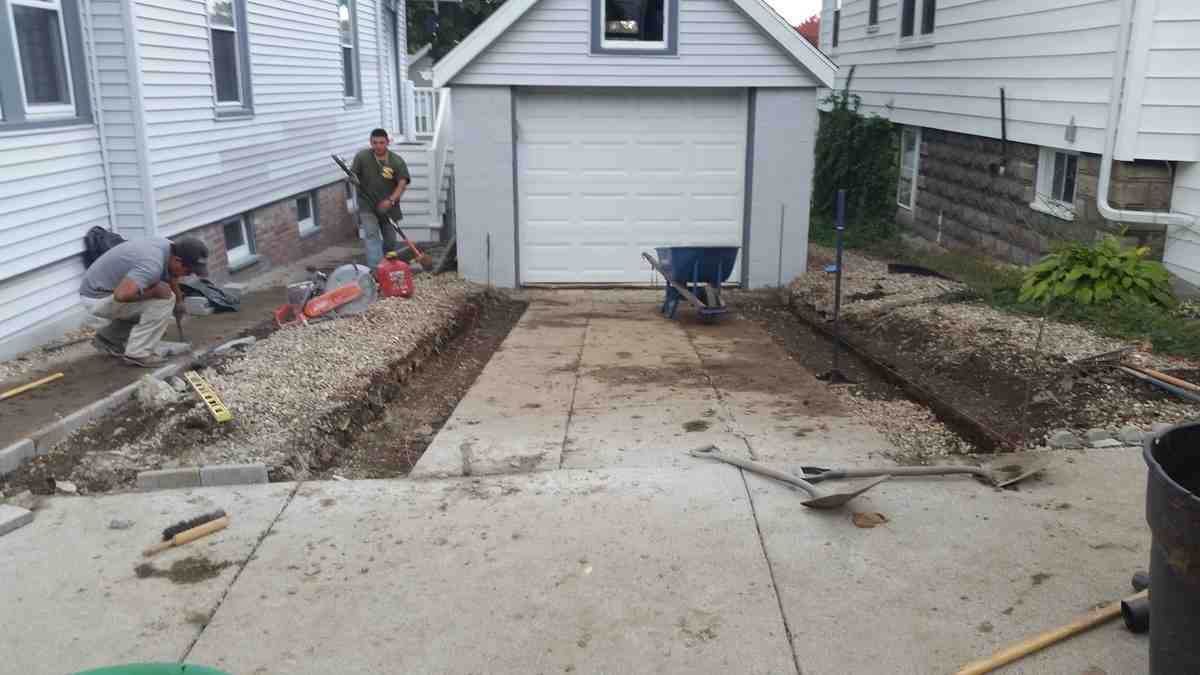
Find Home Improvement Contractors: 10 Best Proven Tips 2025
How to Find Reliable Home Improvement Contractors
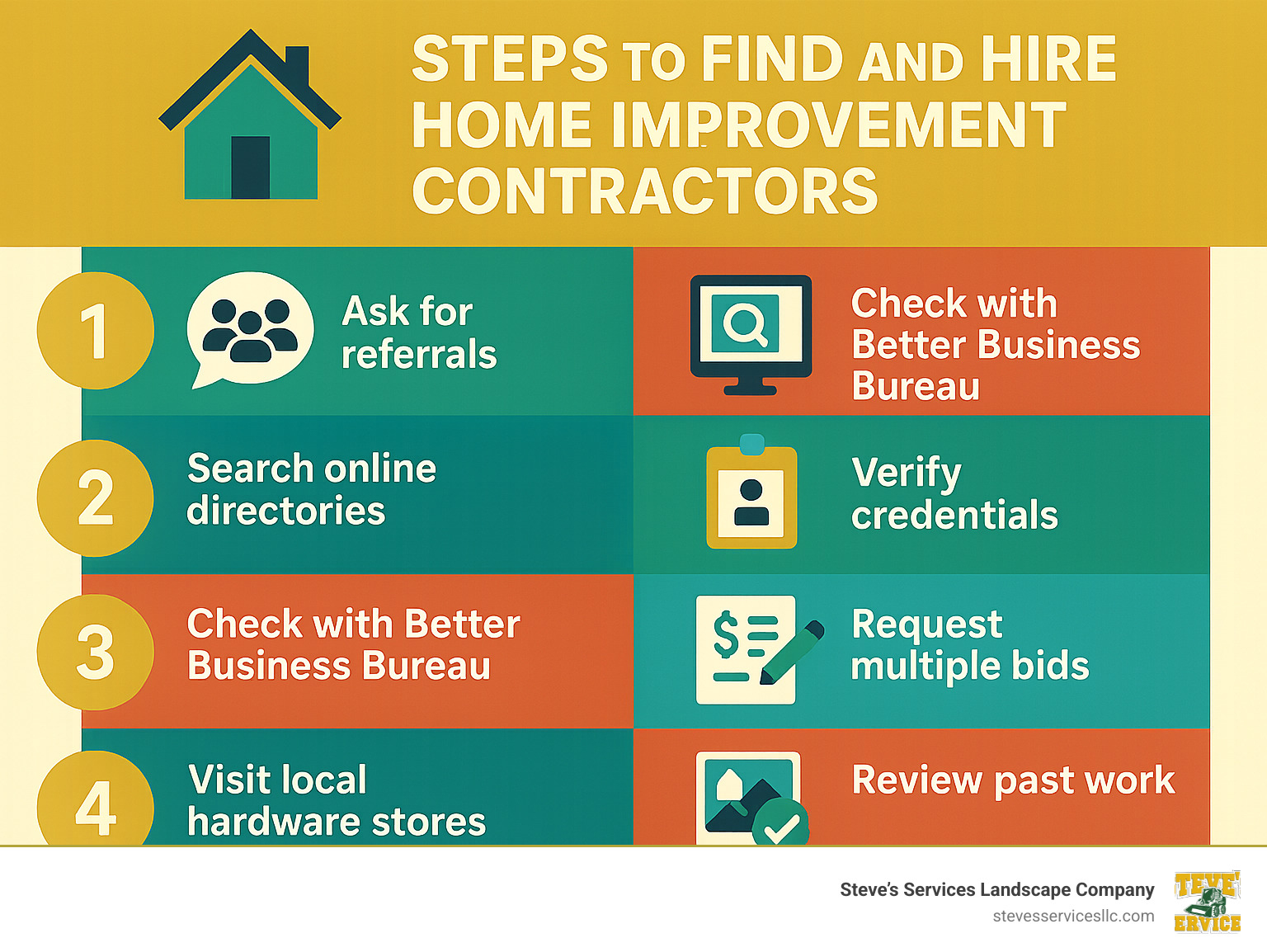
If you need to find home improvement contractors, here’s a quick guide to get you started:
- Ask for referrals from friends, family, and neighbors who have completed similar projects
- Search online directories like Angi, Thumbtack, or Houzz
- Check with your local Better Business Bureau for accredited contractors
- Visit local hardware stores for contractor recommendations
- Verify credentials including licenses, insurance, and certifications
- Request multiple bids (3-5 is ideal) to compare pricing and scope
- Review past work and contact references
- Get everything in writing before work begins
Finding the right contractor for your home improvement project can feel overwhelming. Whether you’re planning a kitchen remodel, roof replacement, or building an addition, the success of your project largely depends on hiring a reliable professional. The process of trying to find home improvement contractors who are trustworthy, skilled, and fairly priced requires careful research and vetting.
Today’s homeowners face significant challenges when searching for qualified contractors. According to recent data, building material prices have risen 19.2% over the last 12 months and 35.6% since the start of the pandemic. The cost to build an average-size new single-family home is 42% higher now than in 2019. These rising costs make it even more important to find contractors who provide transparent pricing and excellent value.
Most general contractors charge between $50 and $150 per hour, or apply a markup of 10% to 20% on the total construction cost. For larger projects, expect to pay a down payment of 10% to 25% of the total cost before work begins. These financial commitments underscore the importance of thoroughly vetting any contractor before signing an agreement.
The good news is that there are more resources than ever to help you find and evaluate contractors. From online platforms with verified reviews to contractor matching services, you have multiple avenues to identify professionals with the right experience for your specific project.
My name is Steve Sylva, and as the owner of Steve’s Services Landscape Company with over 25 years of experience, I’ve worked alongside countless contractors and helped many homeowners find home improvement contractors for their landscaping and hardscaping projects throughout Massachusetts.
What Does a Home Improvement Contractor Do?
Think of a home improvement contractor as the captain of your renovation ship. These professionals don’t just swing hammers – they orchestrate entire home change projects from concept to completion. Their responsibilities typically extend far beyond what most homeowners realize.
When you find home improvement contractors, you’re hiring someone who will handle project planning, secure necessary permits, purchase and coordinate material deliveries, hire specialized workers, ensure everything meets local building codes, manage timelines, coordinate inspections, and oversee the final cleanup.
“A good general contractor is like an orchestra conductor,” we often tell our clients in the Massachusetts communities we serve. “They ensure all the different specialists work together harmoniously to complete your project on time and within budget.”
Most contractors use one of three common pricing structures, each suited to different project types:
| Pricing Model | Typical Rate | Best For |
|---|---|---|
| Hourly Rate | $50-$150 per hour | Small projects with uncertain scope |
| Daily Rate | $300-$500 per day | Medium-sized projects with flexible timeline |
| Project Markup | 10-20% on total cost | Large, well-defined projects |
Understanding the difference between general contractors and specialists is crucial when planning your project. A general contractor manages the entire renovation and coordinates multiple trades, while specialists (like plumbers, electricians, or roofers) focus on specific aspects. For larger projects, your general contractor will typically hire and manage these specialists as subcontractors, saving you the headache of coordinating multiple schedules and personalities.
Licensing, Insurance & Certifications 101
Before you sign on the dotted line with any contractor, take time to verify their credentials. This isn’t just bureaucratic red tape – it’s your protection against potential disasters.
First, check their state license. Massachusetts requires home improvement contractors to be registered with the Office of Consumer Affairs and Business Regulation. You can easily verify a contractor’s registration status through the state’s official website with just a few clicks.
Insurance coverage is non-negotiable. Legitimate contractors should carry general liability insurance (at least $1 million), workers’ compensation insurance, and property damage coverage. Don’t just take their word for it – ask to see certificates of insurance and verify they’re current.
While not always mandatory, professional certifications demonstrate a commitment to quality and ongoing education. Look for credentials like National Association of Home Builders membership, Building Performance Institute certification, or manufacturer-specific certifications for products they’ll be installing.
Many online platforms like Angi offer verification badges for contractors who have submitted proof of license and insurance – these can be helpful shortcuts in your vetting process.
Typical Services You Can Hire For

The range of services available through home improvement contractors is remarkably diverse. Here are some of the most common projects you might hire for:
Kitchen and bathroom remodeling remains the crown jewel of home renovations. These high-traffic spaces deliver the best return on investment and transform your daily living experience. According to industry data, kitchen remodels typically cost between $15,000 and $50,000 depending on scope and materials chosen.
Roofing contractors handle everything from minor repairs to complete replacements of your home’s primary defense system. The national median price for roof repair starts around $594, but can easily reach $1,800 or more depending on damage extent and materials.
Plumbing and electrical work requires specialized licensing and safety knowledge. These professionals typically charge between $75 and $250 per hour, with rates varying based on complexity and urgency.
HVAC installation and repair keeps your home comfortable year-round. Basic service calls often start around $210, while complete system replacements can range from $5,000 to $15,000.
Landscaping and hardscaping transform your outdoor living spaces. As a landscape company serving communities throughout Massachusetts, we at Steve’s Services often collaborate with other contractors on comprehensive outdoor renovations that combine multiple elements.
Window and door installation improves both aesthetics and energy efficiency. Beyond looking great, quality replacements can significantly reduce utility bills over time.
Concrete work forms the literal foundation of many projects. From driveways to foundations, concrete contractors handle these critical structural elements with costs varying widely based on square footage, finish quality, and site preparation needs.
When you’re ready to find home improvement contractors for any of these services, taking time to understand exactly what they do – and checking their credentials thoroughly – will help ensure your project’s success from start to finish.
How to Find Home Improvement Contractors Near You
Finding quality home improvement contractors doesn’t have to feel like searching for a needle in a haystack. Whether you’re planning a major renovation or a simple repair, knowing where to look can make all the difference in your project’s success.
Offline Tactics to Find Home Improvement Contractors
There’s something powerful about good old-fashioned word-of-mouth when you need to find home improvement contractors. Take a stroll through your neighborhood and chat with homeowners who’ve recently completed projects similar to yours. Most folks are genuinely happy to share their experiences – both the wins and the headaches they encountered along the way.
Your local hardware store can be a goldmine of contractor recommendations. These businesses work with professionals daily and often maintain lists of reliable contractors. In our Massachusetts service areas like Burlington, Danvers, and Everett, we’ve found local hardware stores to be invaluable resources for connecting homeowners with quality professionals.
Don’t overlook your local building department as a source of insights. Officials there see contractors’ work during inspections and can often suggest professionals who consistently meet code requirements and pull proper permits. Similarly, trade associations like the National Association of Home Builders can provide lists of member contractors who’ve committed to industry standards.
“At Steve’s Services, our reputation has been built primarily through word-of-mouth,” says owner Steve Sylva. “When neighbors recommend us to neighbors, it creates a chain of trust that’s invaluable – and this principle holds true for finding any type of home improvement contractor.”
Online Tools & Shortlists
The digital landscape has transformed how we find home improvement contractors, offering powerful tools to connect with qualified professionals:
Contractor directories like Angi, Thumbtack, and Houzz allow you to search by location and specialty while providing verified reviews, project photos, and response metrics. These platforms often include background check information, giving you added peace of mind when making your selection.
Google Business Profiles offer a wealth of information through ratings and customer feedback. Look for contractors with substantial reviews (at least 20+) and ratings above 4.5 stars. Pay special attention to how they respond to negative feedback – a professional who addresses concerns respectfully speaks volumes about their customer service.
Social media has become a portfolio showcase for many contractors. Browsing a professional’s Instagram, Facebook, or Pinterest can give you an excellent sense of their style, quality, and attention to detail before you even make contact.
Many homeowners appreciate contractor matching services that do some of the initial screening for you. These platforms match your project details with pre-screened professionals, saving you time in the research phase. These services are typically free for homeowners since contractors pay to participate.
When evaluating contractors online, focus on the recency and consistency of reviews, the quality of their project photos, and any verification badges or background checks they’ve completed. These elements together paint a picture of a contractor’s reliability and professionalism.
Whether you’re searching for a handyperson, landscaper, plumber, electrician, remodeler, roofer, painter, cleaner, HVAC specialist, window installer, or concrete professional, these strategies will help you build a solid shortlist of qualified candidates for your project.
Vetting, Interviewing & Comparing Bids
Once you’ve gathered a promising shortlist of potential contractors, it’s time to roll up your sleeves and really get to know who you might be working with. This vetting stage can make all the difference between a dream renovation and a costly nightmare.

When we work with homeowners in Melrose or Reading who are coordinating multiple aspects of outdoor renovations, we always emphasize how crucial this step is. Take your time here—rushing through this process is where many homeowners later regret their decisions.
Industry experts recommend collecting at least three estimates for your project, though five is truly ideal. Why? With five quotes, you’ll start to see patterns emerge—which prices seem unusually high or suspiciously low, which timelines seem realistic, and which contractors communicate most effectively from the start.
Watch for red flags during these initial meetings. If a contractor seems irritated by your questions, is chronically late, or can’t provide basic documentation, these issues will only multiply once work begins. Trust your gut—if something feels off, it probably is.
Key Questions to Ask Every Contractor
When you sit down with potential contractors, come prepared with questions that reveal their professionalism and reliability.
“Can I see your license number and insurance certificates?” should always be your first question. A reputable contractor will happily provide this documentation without hesitation. In Massachusetts, verify their registration with the Office of Consumer Affairs and Business Regulation.
Next, dig into their experience: “Have you completed projects similar to mine recently?” Ask to see photos or, even better, visit past work sites. Many of our clients at Steve’s Services find that seeing completed projects in person provides the best sense of a contractor’s craftsmanship.
The supervision question is absolutely critical: “Who will be on-site daily supervising the work?” You’d be surprised how many homeowners assume the person they’re meeting with will be present throughout the project, only to find an unfamiliar face on day one.
Payment structure discussions reveal a lot about a contractor’s business practices. Be wary of anyone requesting more than 25% upfront or demanding cash-only payments. A reasonable payment schedule ties your payments to completed project milestones.
“When we partner with other contractors on comprehensive landscaping projects,” notes our team, “clear communication plans are essential. Ask exactly how and when you’ll receive project updates—daily texts, weekly emails, or scheduled calls?”
Decoding Written Proposals & Contracts
A professional contract protects both you and your contractor. It’s not just paperwork—it’s peace of mind.

The heart of any good contract is a detailed scope of work that spells out exactly what will—and won’t—be done. Vague descriptions like “remodel kitchen” aren’t enough. You want specifics: “Remove existing cabinets, install 12 white shaker-style cabinets with soft-close hinges and brushed nickel hardware.”
Itemized costs help you understand exactly where your money is going. If a contractor balks at providing this breakdown, consider it a warning sign. Transparent contractors have nothing to hide about their pricing.
Pay special attention to the change order process. Home improvement projects often evolve once walls are opened or unexpected issues arise. Your contract should clearly explain how changes will be documented, approved, and priced.
The warranty information section deserves careful review. What happens if something fails six months after project completion? A quality contractor stands behind their work with clear warranty terms.
“A thorough contract isn’t about lack of trust,” we explain to clients in communities like North Reading and Burlington. “It’s about creating clarity so everyone knows exactly what to expect.”
Look for these red flags when reviewing proposals:
– Missing permit costs or vague language about who’s responsible for obtaining them
– Absence of specific materials brands, models, or quality grades
– Excessive upfront payment requirements (anything over 25% is questionable)
– No detailed timeline with specific milestones
– Missing or vague warranty information
When you find home improvement contractors who provide clear, detailed proposals, you’ve likely found professionals who understand the importance of thorough planning and transparent communication. These qualities will prove invaluable once hammers start swinging and your project comes to life.
Money Matters: Pricing, Payments & Staying on Budget
Let’s talk dollars and cents—the part of home improvement that often causes the most anxiety. Understanding how contractors structure their pricing and payments will help you steer your project with confidence.
Typical Cost Structures
When you find home improvement contractors, you’ll quickly find they typically work with a structured payment approach. Most reputable professionals will request an initial down payment of 10%-25% of your total project cost. This isn’t just about securing their services—it helps cover initial material purchases and demonstrates your commitment to the project.
“I always tell homeowners to be cautious of anyone asking for more than 30% upfront,” says Steve Sylva. “That’s often a red flag in our industry.”
As your project progresses, expect to make payments tied to specific milestones. These “progress payments” might come after completion of demolition, framing, electrical work, or other significant phases. This approach protects you by ensuring you’re only paying for work that’s actually been completed.
Many savvy homeowners also implement a retainage strategy—holding back 5%-10% of the total project cost until final inspection and punch list completion. This creates a powerful incentive for contractors to address those final details promptly.
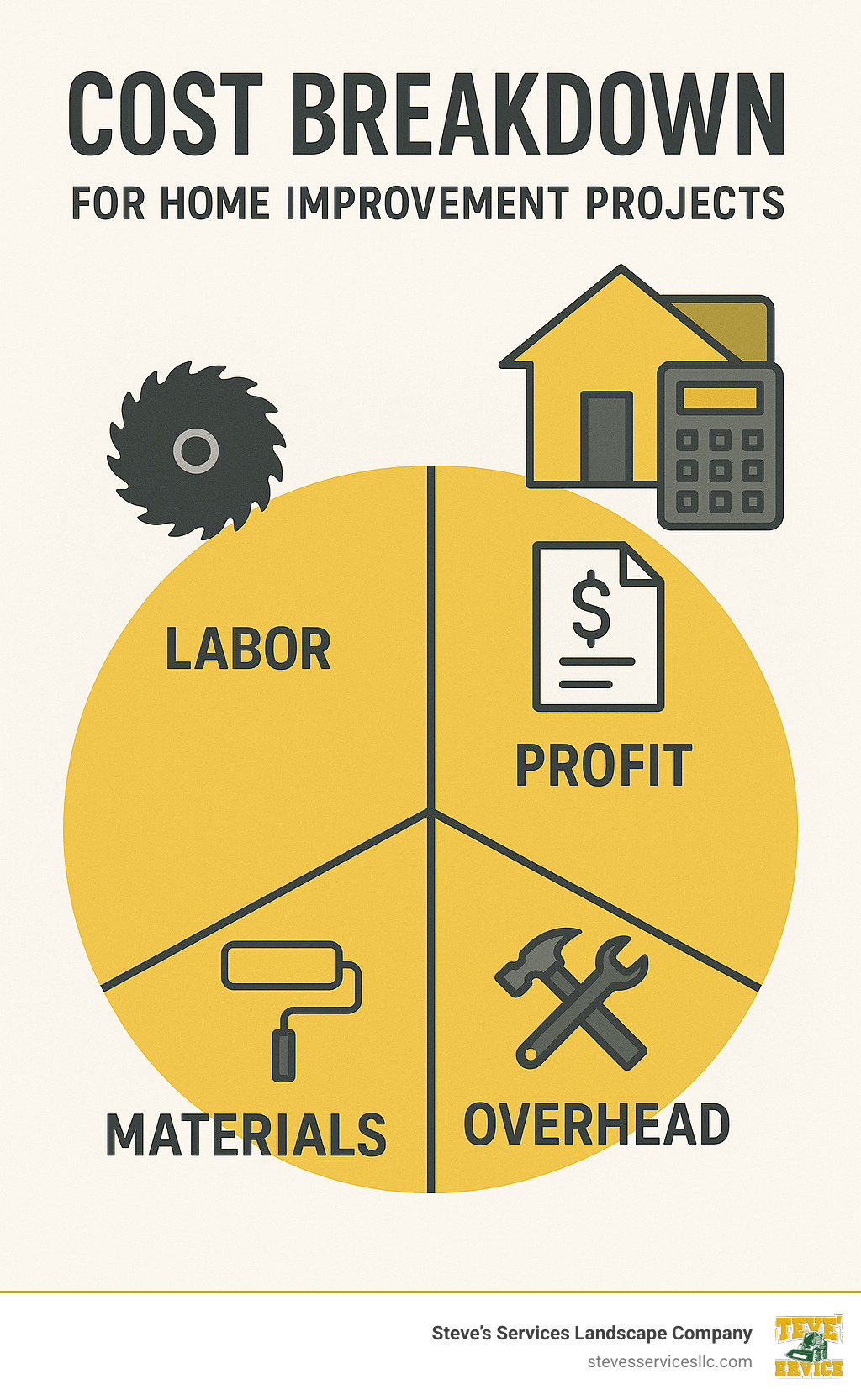
The secret to staying on budget? Start by building in a contingency fund of 10%-20% beyond your estimated costs. This is especially important with older homes, which have an uncanny ability to reveal surprises once walls are opened.
Make sure your contract clearly specifies material allowances for items like fixtures, flooring, and appliances. Without these written allowances, you might find yourself facing unexpected costs when it’s time to make selections.
Track any change orders carefully. Even small deviations from the original scope should be documented with associated costs before work proceeds. Those “while you’re at it” requests can quickly add up!
Regular check-ins about your budget status can prevent nasty surprises. Most contractors appreciate clients who communicate proactively about financial concerns.
Please note that all pricing information provided here represents average costs based on internet data and not actual costs for Steve’s Services. Actual project costs can vary significantly based on your location, home condition, material selections, and project complexity, with high-end projects potentially costing 3x or more than average prices.
Avoiding Scams & Protecting Yourself
Unfortunately, contractor fraud remains all too common in our industry. After serving Massachusetts communities for over 25 years, we’ve heard plenty of horror stories from homeowners who learned these lessons the hard way.
Protect yourself by watching for these warning signs:
Cash-only demands should immediately raise eyebrows. Legitimate contractors accept checks or credit cards and always provide detailed receipts.
No-permit offers might sound like a money-saver, but they often indicate a contractor isn’t properly licensed or doesn’t want official oversight of their work. The savings rarely outweigh the potential risks.
High-pressure tactics have no place in professional contracting. Be wary of anyone pushing for immediate decisions or using scare tactics about your home’s condition.
Unverifiable references are another major red flag. Always check references thoroughly and, if possible, visit completed projects to see the contractor’s work firsthand.
Reluctance to provide written estimates often signals trouble ahead. Professional contractors provide detailed written proposals without hesitation.
Taking time to properly vet contractors can save thousands of dollars and countless headaches. Your home is likely your largest investment—it deserves protection.
Permits, Inspections & Legal Compliance
Understanding the permit process helps ensure your project meets all legal requirements and protects your investment long-term.
Typically, the contractor pulls permits, but you as the homeowner are ultimately responsible for ensuring compliance. Don’t shy away from asking questions about this process when you find home improvement contractors.
Most substantial projects require multiple inspections at different stages—foundation, framing, electrical, plumbing, and final inspection are common checkpoints. These inspections aren’t just bureaucratic hoops; they’re quality-control measures designed to keep you safe.
Some projects may require notifying your homeowner’s insurance company before work begins. This is especially important for structural changes or additions that might affect your coverage.
If you live in a community with a homeowner’s association, secure written approval before starting work. We’ve seen too many projects halted midway due to HOA violations that could have been avoided with proper planning.
“We handle all permit requirements for our landscaping and hardscaping projects,” explains Steve Sylva. “This gives our clients peace of mind knowing all work meets local regulations in communities like Reading, Revere, and Saugus.”
The permit process might seem tedious, but it’s an essential protection for homeowners. Properly permitted work is more likely to be completed correctly, safely, and in compliance with current building codes—all factors that protect your property’s value and your family’s safety.
Keeping the Project on Track
Once your contractor begins work, staying organized becomes your secret weapon for project success. In my 25 years of experience working with homeowners throughout Massachusetts, I’ve seen how proper management makes all the difference.
Create a communication rhythm that works for both you and your contractor. Whether it’s weekly in-person meetings, text updates, or email summaries, consistent communication prevents misunderstandings. Many of our clients in communities like Stoneham and Winchester prefer a combination – quick text updates for daily progress and weekly face-to-face conversations for bigger decisions.
Document the journey by taking regular photos as work progresses. These visual records not only create a wonderful before-and-after story but also provide documentation should questions arise later. Plus, there’s something deeply satisfying about scrolling through the change of your space!
When small concerns pop up – and they always do – address them promptly. That tiny plumbing issue or slight misalignment might seem minor, but left unaddressed, small problems have a way of snowballing into major headaches. A quick conversation early on saves time, money, and stress.
Be prepared for some schedule adjustments. Even the best-planned projects encounter unexpected delays due to weather (especially here in Massachusetts!), backordered materials, or inspection scheduling. Building in buffer time from the start helps manage expectations and reduces frustration.
Finally, be vigilant about change orders. It’s perfectly normal to adjust plans as you see your project taking shape, but ensure every change is documented in writing with updated costs and timeline impacts. This simple habit prevents the all-too-common “but I thought that was included” conversation later.
What to Do When Problems Arise
Despite careful planning and a solid contractor relationship, challenges can still emerge during your project. Knowing how to handle them professionally makes all the difference.
Always start with direct communication. Most issues stem from simple misunderstandings that can be resolved through a calm, clear conversation. Approach your contractor with specific concerns rather than general complaints – “I notice the cabinet hardware doesn’t match our selection sheet” works better than “nothing’s being done right.”
Throughout your project, keep detailed records of all conversations, texts, emails, and changes. This documentation provides clarity if memories differ later. I recommend creating a dedicated project folder, either physical or digital, where all communications live.
When disagreements arise, refer back to your contract. This document should outline dispute resolution procedures and serve as your roadmap through challenging situations. The time spent crafting a detailed contract pays dividends when questions emerge.
For persistent issues, consider third-party mediation before taking legal steps. Many contractor associations offer mediation services that help both parties reach fair resolutions without the expense and stress of court proceedings.
If necessary, you can file formal complaints with the Better Business Bureau, state contractor licensing board, or local consumer protection agencies. For smaller financial disputes, small claims court provides an accessible option without requiring an attorney.
“In our years serving communities throughout Massachusetts, we’ve found that most issues can be resolved through respectful dialogue,” notes our team at Steve’s Services. “Professional contractors value their reputation and genuinely want happy clients.”
After the Work Is Done
Project completion involves several critical steps that protect your investment and ensure lasting satisfaction.
Schedule any required municipal inspections to verify that all work meets building codes. Your contractor should coordinate these inspections, but it’s wise to confirm they’ve been completed and passed.
Conduct a thorough punch list walkthrough with your contractor, noting any remaining items that need attention. Be detailed – from paint touch-ups to cabinet adjustments – as this is your opportunity to ensure everything meets your expectations before final payment.
Request lien waivers from all subcontractors and material suppliers. These documents protect you from potential claims against your property if your primary contractor hasn’t paid their vendors. Reputable contractors provide these readily, but you should specifically request them.
Make your final payment only after all work is completed to your satisfaction and you’ve received all necessary documentation. This payment represents your approval of the completed project, so ensure you’re truly satisfied before writing that final check.

Collect all warranty information for both materials and workmanship. Organize these documents in a dedicated folder and note expiration dates on your calendar. Many product warranties require proper maintenance to remain valid, so also request care guidelines for your new installations.
“At Steve’s Services, we provide detailed maintenance plans for all our landscaping projects,” explains Steve Sylva. “This ensures our clients in communities like Malden and Wakefield can properly care for their investment for years to come. After all, knowing how to maintain your new landscape is just as important as the installation itself.”
Taking these final steps ensures not just a beautiful completed project, but peace of mind that your investment is protected for the long term. When you find home improvement contractors who handle these details professionally, you know you’ve chosen wisely.
Frequently Asked Questions about Finding Home Improvement Contractors
How many bids should I collect?
I always tell homeowners to get at least three bids, though five is really the sweet spot. With three estimates, you’ll start to see patterns in pricing and approach, but with five, you’ll have a much clearer picture of what’s fair in your local market. Any more than five can actually become overwhelming – you’ll spend more time managing proposals than moving your project forward!
“When we work with homeowners in communities like Medford and Melrose, we often find they’ve either collected too few bids and risk overpaying, or they’ve gathered so many they can’t make a decision,” says Steve Sylva of Steve’s Services.
The key is making sure you’re comparing apples to apples. Give each contractor the exact same project details and requirements. If one bid comes in significantly lower than the others, that’s not necessarily a bargain – it might indicate the contractor missed something important or is planning to cut corners.
What is a reasonable contractor down payment?
A fair down payment typically ranges from 10% to 25% of your total project cost. This initial payment helps contractors purchase materials and shows you’re serious about moving forward.
It’s worth knowing that some states have specific laws capping down payment amounts. Here in Massachusetts, contractors legally cannot ask for more than one-third of the total contract price upfront for home improvement projects.
Red flags to watch for include contractors demanding more than 30% down or insisting on cash payments only. In my 25+ years of experience working alongside other contractors, legitimate professionals understand that reasonable deposits protect both parties.
How can I verify a contractor’s reputation quickly?
When you need to find home improvement contractors you can trust without spending weeks on research, focus on these high-impact verification steps:
First, check their license status through your state’s contractor licensing board website. In Massachusetts, you can verify registrations through the Office of Consumer Affairs and Business Regulation. This quick search will reveal not just if they’re licensed, but also if they’ve had complaints or disciplinary actions.
Next, request certificates of insurance directly from the contractor, then take the extra step of calling the insurance company to confirm the policy is active. It only takes a few minutes but can save you enormous headaches down the road.
Online reviews across multiple platforms (Google, Angi, BBB) can reveal patterns – look beyond star ratings to how contractors respond to negative feedback. Do they address concerns professionally or become defensive?
Nothing beats talking to actual clients. Call at least three recent references and ask specific questions: “Did they stay on budget?” “How did they handle unexpected problems?” “Would you hire them again?”
“At Steve’s Services, we’re always happy when potential clients check our references,” notes Steve Sylva. “It shows they’re doing their homework, and we’re confident in the quality of our work across all the Massachusetts communities we serve.”
If possible, ask to visit a project in progress. This gives you incredible insight into how the contractor manages their job site, treats their workers, and maintains quality standards – all things that will directly impact your experience when they’re working on your home.
Conclusion
Finding reliable home improvement contractors requires research, patience, and due diligence, but the effort pays off in quality workmanship, fair pricing, and peace of mind. By following the steps outlined in this guide, you’ll be well-equipped to:
- Identify qualified contractors through both online and offline channels
- Properly vet candidates through interviews and reference checks
- Compare bids effectively to ensure fair pricing
- Understand contract terms and payment structures
- Manage your project successfully from start to finish
The lowest bid isn’t always the best value. Consider the contractor’s experience, communication style, and attention to detail alongside their price. A slightly higher bid from a well-established, highly-rated contractor often results in a smoother project with fewer unexpected costs.
At Steve’s Services Landscape Company, we’ve built our reputation on quality, reliability, and exceptional customer service throughout our Massachusetts service areas. While our focus is on landscaping and hardscaping, we understand the importance of finding trustworthy contractors for all aspects of home improvement.
Whether you’re planning a kitchen remodel, roof replacement, or comprehensive outdoor renovation, we hope this guide helps you find home improvement contractors who will turn your vision into reality with professionalism and craftsmanship.
For landscaping and hardscaping projects in Burlington, Danvers, Everett, Lynnfield, Medford, Melrose, North Reading, Reading, Revere, Saugus, Stoneham, Winchester, Woburn, Malden, or Wakefield, we invite you to contact Steve’s Services for a consultation. We bring the same level of care and expertise to your outdoor spaces that you deserve from all your home improvement professionals.