
General Contractor New Construction: Top Guide 2025
Why Choosing the Right General Contractor Sets the Foundation for New Construction Success
General contractor new construction projects require careful planning and expert coordination to transform your vision into reality. A general contractor serves as your project manager, overseeing all aspects of construction from permits to final inspections while coordinating subcontractors, managing budgets, and ensuring quality control.
Key responsibilities of a general contractor in new construction:
- Project Management – Single point of contact for all construction activities
- Permit Acquisition – Handle all municipal permits and inspections
- Subcontractor Coordination – Hire, schedule, and manage specialized trades
- Budget Control – Monitor costs and handle change orders
- Quality Assurance – Ensure work meets building codes and specifications
- Timeline Management – Keep project on schedule and communicate delays
- Site Safety – Implement safety protocols and maintain clean work areas
The stakes are high when building new construction. In the Greater Boston area, for example, new home construction costs can range from $250 per square foot for basic builds to over $750 per square foot for high-end finishes, based on average internet data. With such significant investments at risk, choosing an experienced, licensed, and insured general contractor becomes critical to project success.
As Steve Sylva, owner of Steve’s Services with over 25 years of experience in construction and project management, I’ve worked alongside numerous general contractor new construction teams throughout Massachusetts. My experience has shown that the right contractor makes the difference between a smooth build and costly delays, budget overruns, and quality issues.
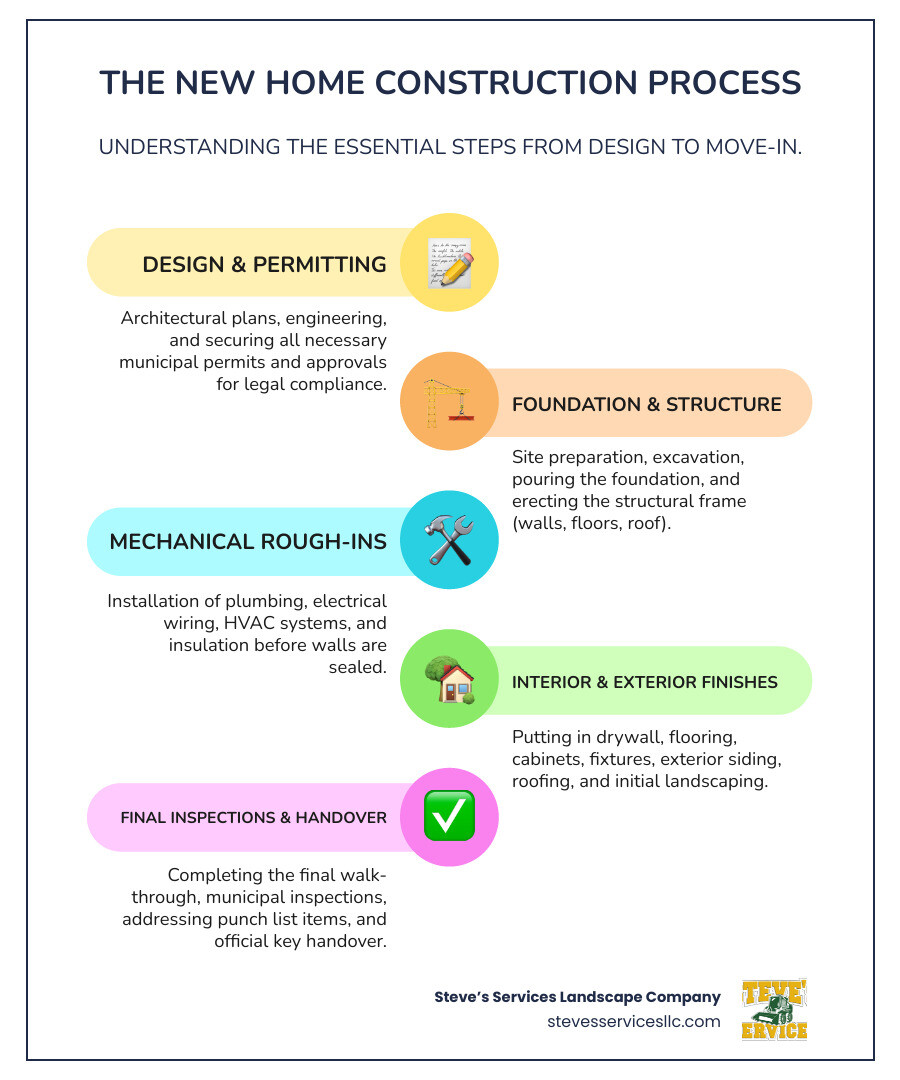
Quick general contractor new construction terms:
The Role and Responsibilities of a General Contractor in New Construction
When you’re ready to build your dream home, you’ll quickly find that construction involves dozens of moving parts. That’s where a general contractor new construction specialist becomes your best friend. Think of them as the quarterback of your building team – they call the plays, coordinate everyone’s moves, and make sure your project crosses the finish line successfully.
Your general contractor serves as your single point of contact throughout the entire build. Instead of juggling calls from electricians, plumbers, and roofers, you get to focus on the fun stuff (like picking paint colors) while they handle the daily chaos. They’re masters of budget management and timeline adherence, keeping your project on track and your wallet happy.
But their job goes way deeper than just scheduling. They’re responsible for site safety – making sure nobody gets hurt while building your future home. They also handle quality control, catching problems before they become expensive headaches. For larger projects, their expertise becomes even more critical, which you can learn about through our Commercial General Contracting services.
What is a General Contractor?
A general contractor is essentially your construction project manager with work boots on. They’re the ones overseeing daily operations from sunrise to sunset, making sure everything runs like clockwork.
Their day starts with coordinating trades – ensuring the electrician doesn’t show up the same day as the concrete crew. They handle sourcing materials, so you don’t have to worry about whether the right lumber will arrive on time. Most importantly, they maintain clear client communication, keeping you in the loop without overwhelming you with every tiny detail.
Here’s where they really shine: problem-solving. Construction throws curveballs daily – maybe it rains for a week straight, or the city changes a permit requirement. Your general contractor tackles these challenges head-on, finding solutions that keep your project moving forward.
Key Responsibilities During the Build
The real magic happens when your general contractor handles all the behind-the-scenes work that most homeowners never think about. Permit acquisition is their first major task – and trust me, you don’t want to steer that paperwork maze yourself.
They’re experts at scheduling inspections with local authorities, making sure each phase gets the green light before moving forward. In busy metropolitan areas like Greater Boston, permit delays can stretch for months for certain approvals, but experienced contractors know how to steer these timelines and plan accordingly.
Managing subcontractors is where their people skills really matter. They’re constantly adhering to blueprints while juggling different personalities and work styles. Every trade needs to follow the plans exactly, and your contractor makes sure that happens.
They also handle the less glamorous but crucial stuff – ensuring code compliance so you don’t fail inspections, and managing waste management to keep your site clean and safe. For specialized site preparation work, you’ll want contractors who understand the ground-up process, which you can explore more about through our Site Contractors Near Me services.
The bottom line? A skilled general contractor new construction professional transforms what could be months of stress into an exciting journey toward your new home.
Vetting Your Candidates: Qualifications, Credentials, and Reputation
Finding the right general contractor new construction professional is like choosing a business partner – because that’s essentially what they become for the duration of your project. You’ll be working together for months, making countless decisions, and trusting them with a significant investment. The vetting process might feel overwhelming, but it’s your best protection against costly mistakes and project nightmares.
Think of it this way: you wouldn’t hire someone to manage your finances without checking their credentials, right? The same principle applies here, only the stakes are often higher. A thorough vetting process involves digging into their experience, verifying their credentials, and getting a real sense of how they treat their clients.
Essential Qualifications and Experience for a General Contractor for New Construction
Years in business matter, but they’re not the whole story. A contractor who’s been around for decades might have extensive experience, but if most of their work has been kitchen renovations, they might not be the best fit for your new construction project. You want someone who has similar project experience – someone who understands the unique challenges of building from the ground up.
When you’re interviewing potential contractors, ask about their team structure. Will the owner be on-site regularly, or will a project manager handle day-to-day operations? How do they vet their subcontractors? The best contractors maintain long-standing relationships with skilled trades because they understand that their reputation depends on everyone’s performance.
Technical knowledge and certifications make a real difference in construction quality. Look for contractors who value skilled craftsmanship and work with certified trade professionals. These certifications aren’t just pieces of paper; they represent rigorous training and proven expertise.
The subcontractor relationships your potential contractor maintains can tell you a lot about their standards. Experienced contractors know that good subcontractors are worth their weight in gold, and they’ll often share stories about their trusted team members with genuine pride.
Licensing and Insurance Requirements in Your Area
Here’s where we separate the professionals from the pretenders. Licensing and insurance aren’t optional – they’re your safety net and legal protection. Every legitimate general contractor new construction professional should be properly licensed and fully insured, with documentation to prove it.
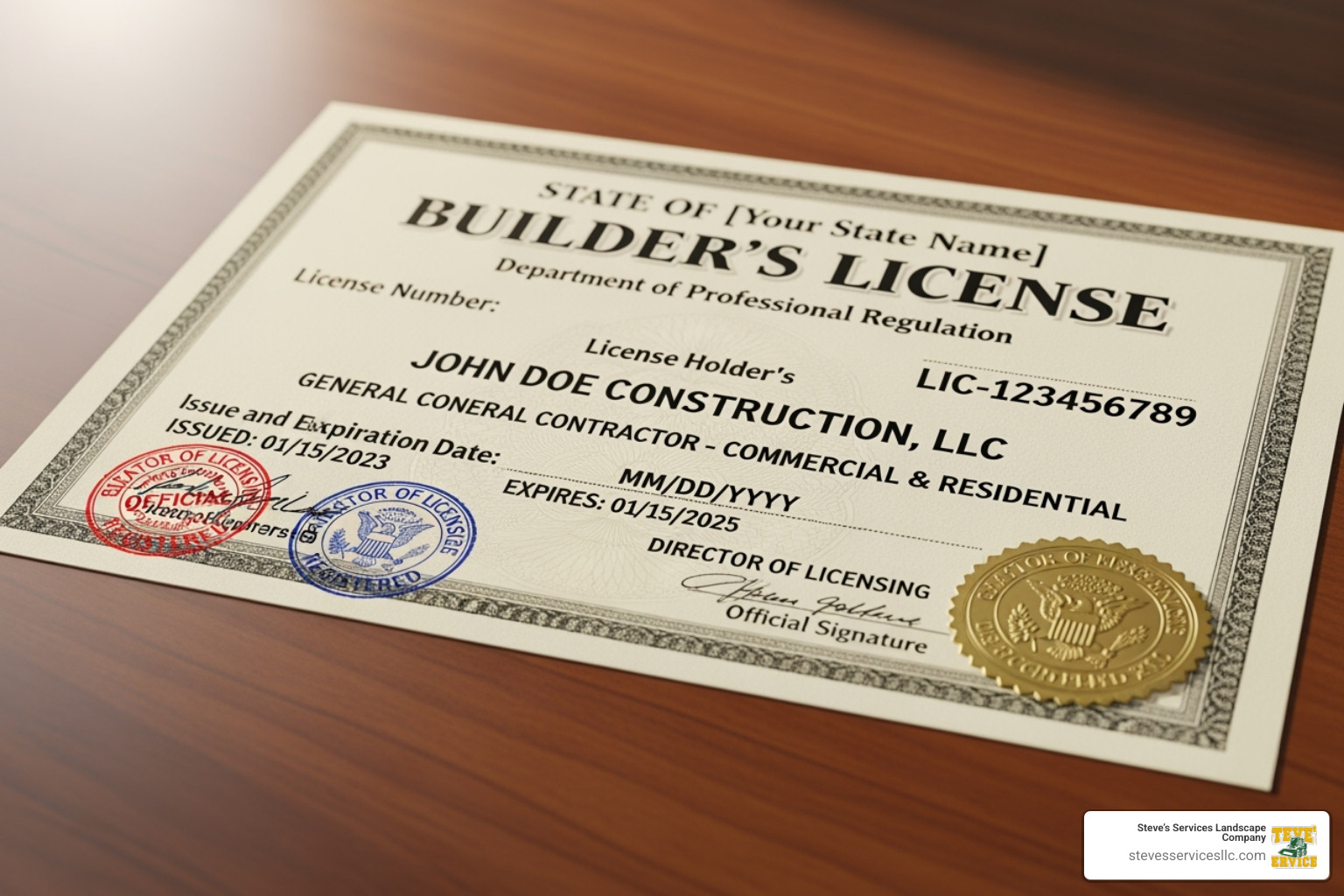
Licensing requirements vary dramatically depending on your location. In Massachusetts, for example, the state requires contractors to hold a Construction Supervisor License (CSL) for most residential projects, which you can verify through official state resources. This ensures they have proven knowledge of building codes, business practices, and construction management.
General liability insurance protects you if someone gets hurt on your property or if your neighbor’s fence gets damaged during construction. Workers’ compensation coverage is equally crucial – without it, you could be on the hook for medical bills if a worker gets injured on your site.
Don’t just take their word for it when they say they’re insured. Ask for current certificates and verify them directly with the insurance company. Legitimate contractors understand this request and will provide documentation without hesitation. Those who get defensive or make excuses? That’s your cue to keep looking.
Compliance with OSHA (Occupational Safety and Health Administration) standards demonstrates that the contractor takes safety seriously and follows proper protocols. Safety isn’t just about avoiding accidents – it’s about professionalism and attention to detail that carries over into all aspects of their work.
How to Verify a Contractor’s Reputation
A contractor’s reputation is built project by project, client by client. Checking references is your window into their real-world performance. Don’t just ask for names – actually call those references. Ask about communication style, how they handled problems, whether they stuck to their timeline and budget, and if the homeowner would hire them again.
Visiting completed projects gives you a chance to see their work quality firsthand. Look at the details – how clean are the paint lines? Do the tiles line up properly? Are the finishes consistent? These details reveal a contractor’s standards and attention to quality.
Online reviews on platforms like the Better Business Bureau provide broader perspective, but read them carefully. Look for patterns in the feedback and pay attention to how the contractor responds to criticism. Professional contractors address concerns constructively and work to resolve issues.
The Better Business Bureau rating can be particularly telling. A consistently high rating over several years suggests reliable service and ethical business practices. However, newer companies might not have extensive review histories yet.
When you’re ready to Find Home Improvement Contractors for your new construction project, asking the right questions upfront can save you months of headaches later. The best contractors welcome your questions because they understand that informed clients make better partners throughout the construction process.
The Financials of New Construction: Costs, Contracts, and Contingencies
Let’s talk money – because understanding the financial side of your general contractor new construction project can save you from some serious headaches down the road. This isn’t just about getting the lowest bid; it’s about understanding what you’re actually paying for and protecting yourself with a solid contract.
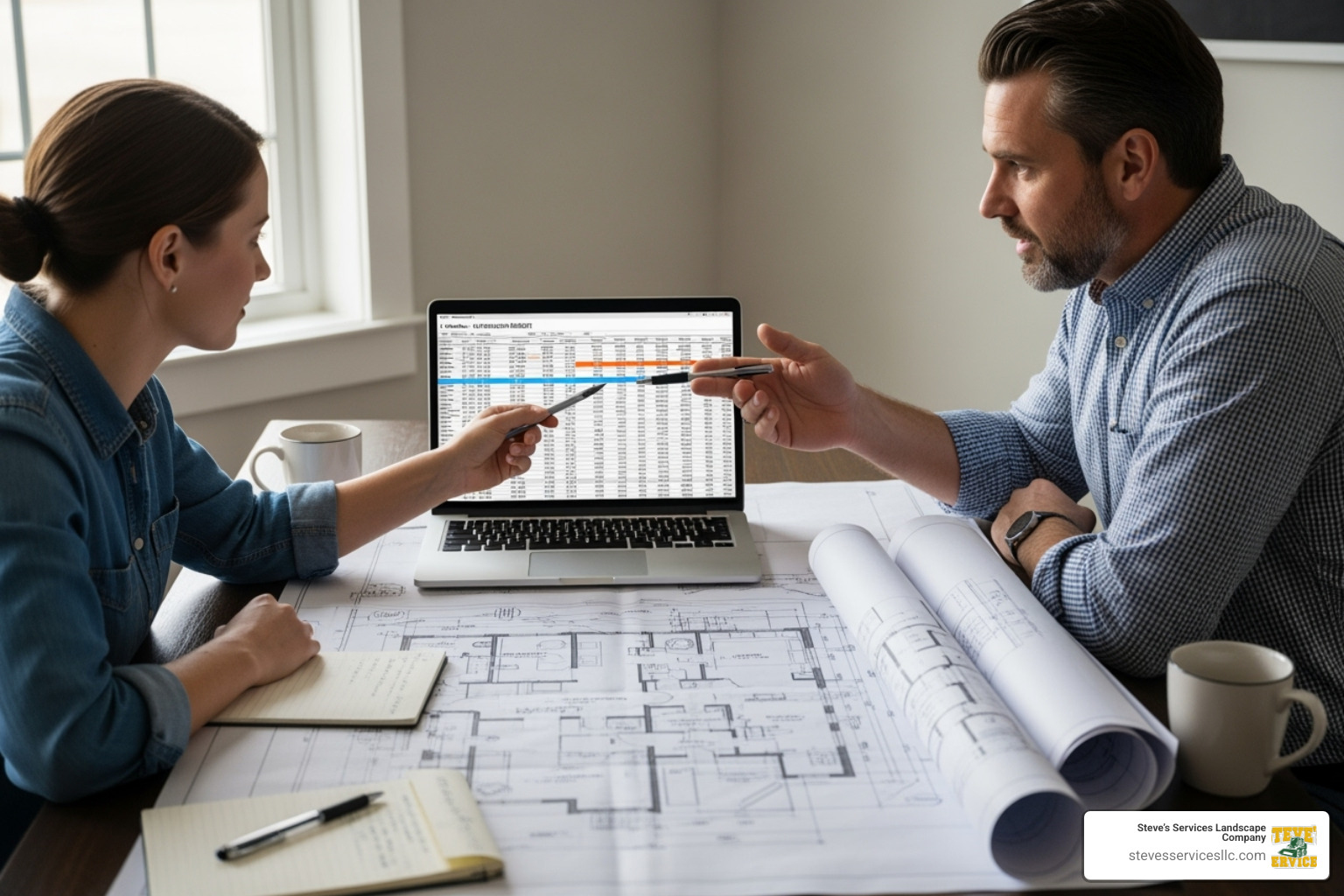
The reality is that construction costs can feel overwhelming at first glance. But when you break them down and understand what goes into each piece, it becomes much more manageable. Think of it like buying a car – you wouldn’t just look at the sticker price without understanding what features you’re getting, right?
Typical Costs of Hiring a General Contractor for New Construction
Here’s something that surprises many homeowners: your general contractor new construction fee is typically 10% to 20% of your total project cost. That might sound like a lot, but remember – this covers their project management, coordination of all trades, problem-solving, and their expertise in keeping everything running smoothly.
The total construction costs vary wildly based on your location, the size of your project, and most importantly, your finish choices. In Massachusetts, for example, here’s what you might expect per square foot based on average internet data:
Basic builds typically run $250 to $400 per square foot. This gets you solid construction with standard materials – think builder-grade fixtures and straightforward designs. Costs in suburban areas may differ from those in the heart of Boston.
Mid-range projects usually fall between $400 to $750 per square foot. This is where you start getting some custom features, better quality materials, and more detailed architectural elements. A moderately customized home in a desirable Massachusetts suburb could easily fall into this range.
High-end builds start at $750 per square foot and can easily exceed $1,000. We’re talking premium materials, custom cabinetry, top-tier appliances, and intricate architectural details. For luxury projects with extensive customization, these figures can climb even higher.
But here’s the kicker – construction costs are just part of the story. Your “all-in” costs can be significantly higher once you factor in municipal fees, design fees (which can be a percentage of the project cost or a per-square-foot rate), potential demolition costs (if you’re tearing down an existing structure), and financing fees (usually 5-10% of the project cost).
This means that a $500 per square foot construction project could easily become much more once everything’s said and done. It’s not uncommon for the final cost to be significantly higher than the initial construction estimate.
Essential Elements of a Construction Contract
Your construction contract isn’t just paperwork – it’s your roadmap and your protection. A good contract prevents misunderstandings and gives you recourse if things go sideways.
The scope of work should spell out exactly what your contractor will do, from the moment they break ground to when they hand you the keys. This needs to align perfectly with your blueprints and specifications. No assumptions, no “we’ll figure it out later.”
A detailed budget breakdown shows you where every dollar is going. You should see line items for materials, labor, permits, and the contractor’s fee. This transparency helps you understand the value you’re getting and makes it easier to evaluate any change orders that come up.
The payment schedule protects both of you by tying payments to specific milestones. You might pay 10-20% to start, then additional payments when the foundation is complete, framing is done, rough-ins are finished, and so on. Never pay large sums upfront – reputable contractors don’t need your money to buy materials.
Your contract should include a clear project timeline with realistic start and end dates. While delays can happen (weather, permit issues, material shortages), a good contractor will communicate these promptly and adjust the timeline accordingly.
The change order process is crucial because changes will happen during construction. Whether it’s upgrading fixtures or dealing with unexpected site conditions, all changes should be documented, priced, and approved in writing before any work begins.
Include dispute resolution procedures like mediation or arbitration. This gives you a way to resolve disagreements without expensive court battles. Also make sure you understand the warranties – both the contractor’s warranty on their workmanship and any manufacturer warranties on materials and systems.
Finally, insist on lien waivers to protect your property. These documents ensure that subcontractors and suppliers can’t place a lien on your home if the general contractor fails to pay them.
A detailed contract might seem like overkill, but it’s your best friend when questions arise. Take time to read it thoroughly, ask questions about anything unclear, and don’t hesitate to have a lawyer review it before signing.
Project Management in Action: From Permits to Punch Lists
Once you’ve signed that contract, the real magic begins. Your general contractor new construction expert shifts gears from selling you on their vision to making it happen in the real world. This is where experience truly shines – coordinating dozens of moving parts while keeping everything on track, on budget, and up to code.
Think of this phase as conducting an orchestra. Every tradesperson needs to arrive at exactly the right moment, play their part perfectly, and work in harmony with everyone else. Miss a beat, and the whole symphony can fall apart.
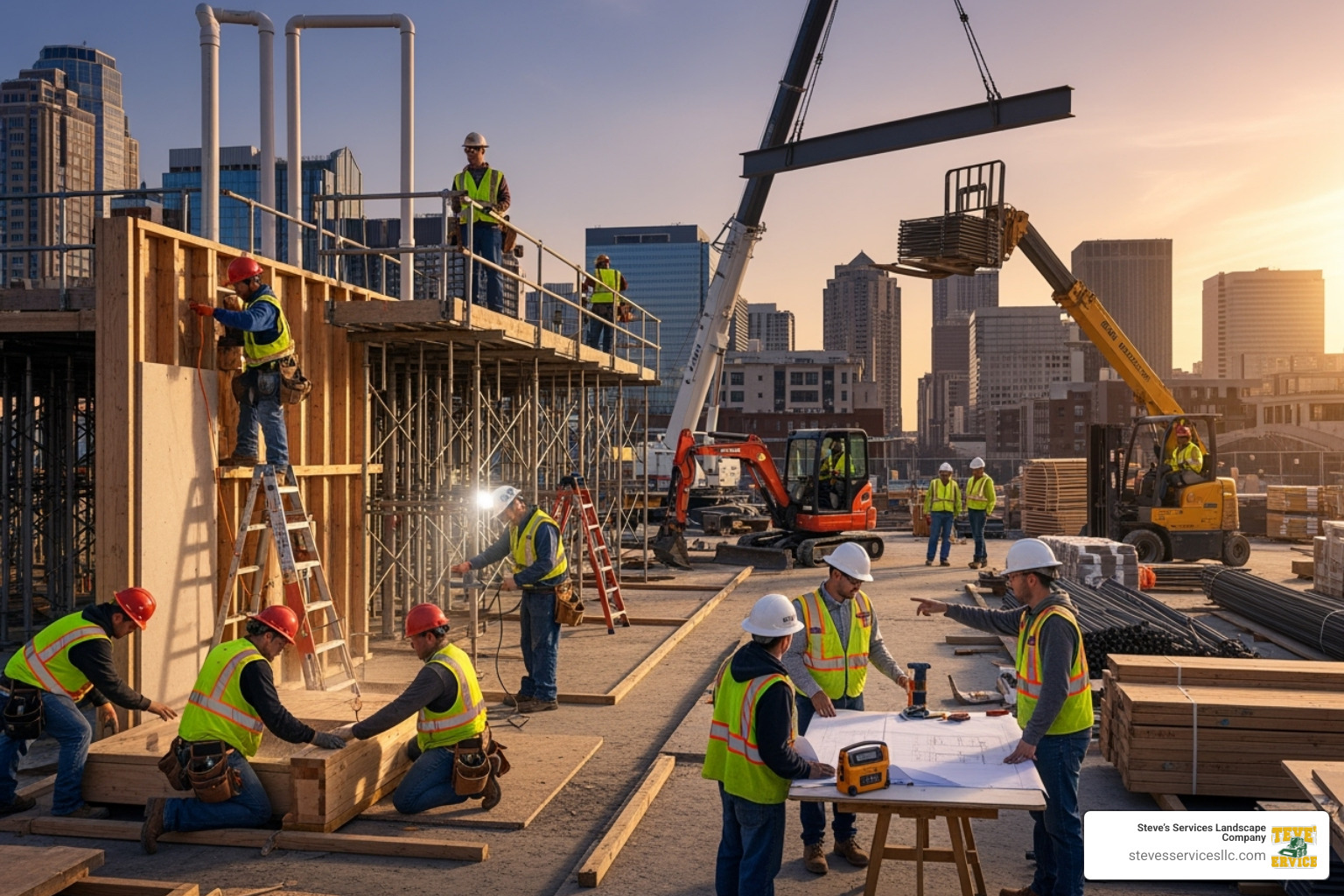
Managing Subcontractors and Ensuring Quality
Your general contractor’s network of subcontractors can make or break your project. The vetting process for trades is crucial – every electrician, plumber, carpenter, and HVAC technician needs proper licensing, insurance, and a proven track record of quality work.
Scheduling coordination is where things get interesting. Imagine trying to choreograph a dance where the concrete needs to cure before the framers arrive, the electrical rough-in must happen before drywall, and the flooring can’t go in until the paint is completely dry. One delay can create a domino effect that pushes your move-in date back weeks.
A skilled contractor conducts regular site inspections, catching problems before they become expensive headaches. They’re constantly upholding quality standards – checking that the specified materials actually showed up on site, verifying that work meets blueprints, and ensuring everything passes code requirements.
The foundation work is especially critical since everything else builds on it. When you need reliable Excavation and Concrete Contractors, your general contractor’s established relationships with quality trades become invaluable. Material verification ensures you’re getting what you paid for, not cheaper substitutes that might cause problems down the road.
Navigating Permits, Timelines, and Disputes
Permitting process management can feel like navigating a maze blindfolded. Building codes vary between municipalities, and requirements change regularly. Your contractor handles the paperwork, coordinates with city officials, and schedules required inspections at each phase.
Even with perfect planning, delays happen. In a busy area like Greater Boston, securing all necessary permits can sometimes take longer than expected. A good contractor practices proactive communication, keeping you informed about these external factors while adjusting timelines realistically.
Change order documentation becomes essential when you decide you want that kitchen island a bit larger or realize you need an extra electrical outlet. Every modification needs formal documentation with updated costs and timeline impacts. This protects both you and your contractor from misunderstandings later.
Conflict resolution strategies come into play when disagreements arise – and they will. Maybe a subcontractor damages something, or there’s confusion about specifications. An experienced contractor mediates these situations professionally, keeping the project moving forward while protecting your interests.
Ensuring On-Site Safety and Minimizing Disruption
Construction sites are inherently dangerous places. A responsible contractor implements a comprehensive safety plan that meets all local and federal standards, including those set by OSHA (Occupational Safety and Health Administration). Regular safety meetings keep everyone focused on preventing accidents that could shut down your project and put people at risk.
Site cleanliness isn’t just about appearances – it’s about safety and efficiency. Debris creates tripping hazards, and disorganized materials slow down work. Your contractor should maintain an orderly site throughout the build.
Minimizing noise and dust shows respect for you and your neighbors. While construction is never silent, good contractors schedule the noisiest work during appropriate hours and take steps to contain dust and debris. Client communication protocols keep you informed about particularly disruptive activities, so you can plan accordingly.
The goal is making your construction experience as smooth as possible while delivering a home that exceeds your expectations. When everything comes together – skilled trades, quality materials, proper permits, and careful coordination – the result is worth every day of the process.
Conclusion
Building your dream home is one of life’s biggest adventures, and choosing the right general contractor new construction professional is absolutely the most crucial decision you’ll make along the way. It’s like picking the captain for your ship – they’ll guide you through calm waters and stormy seas alike, making sure you reach your destination safely.
Throughout this guide, we’ve walked through the essential steps that set successful projects apart from those that become cautionary tales. Thoroughly vetting candidates means looking beyond the lowest bid to find someone with the right experience, proper licensing, and a solid reputation. Understanding the true costs upfront – including that general contractor fees typically run 10-20% of your total budget – helps you plan realistically and avoid nasty surprises down the road.
A detailed contract isn’t just paperwork; it’s your roadmap and safety net rolled into one. When changes inevitably come up (and they will), having clear processes in place keeps everyone on the same page. Open communication throughout the build ensures small issues don’t snowball into major headaches.
Your qualified general contractor becomes so much more than just someone who manages the build. They’re your trusted partner, problem-solver, and advocate, working tirelessly to turn your vision into reality while staying on time and on budget. They handle the permits, coordinate the trades, manage the chaos, and keep you informed every step of the way.
At Steve’s Services, we understand construction from a different angle. While we specialize in landscape and site work rather than home building, we’ve worked alongside countless general contractor new construction teams throughout Massachusetts communities like Everett, Burlington, and Reading. This experience has shown us what separates the excellent contractors from the rest.
We’ve seen how proper site preparation and thoughtful landscape planning can make or break a construction timeline. We know the importance of due diligence in vetting contractors because we’ve witnessed both the smooth projects and the ones that go sideways. Our commitment to quality and customer service in our own work reflects the same values you should seek in your general contractor.
Whether you’re planning a new build or need expert landscape and site services to complement your construction project, we’re here to help lay the foundation for success. To learn more about how we can support your project needs, visit our contracting services page. Your dream home deserves nothing less than the best team to bring it to life.
