
Inground Swimming Pool Removal: Top Reasons in 2024
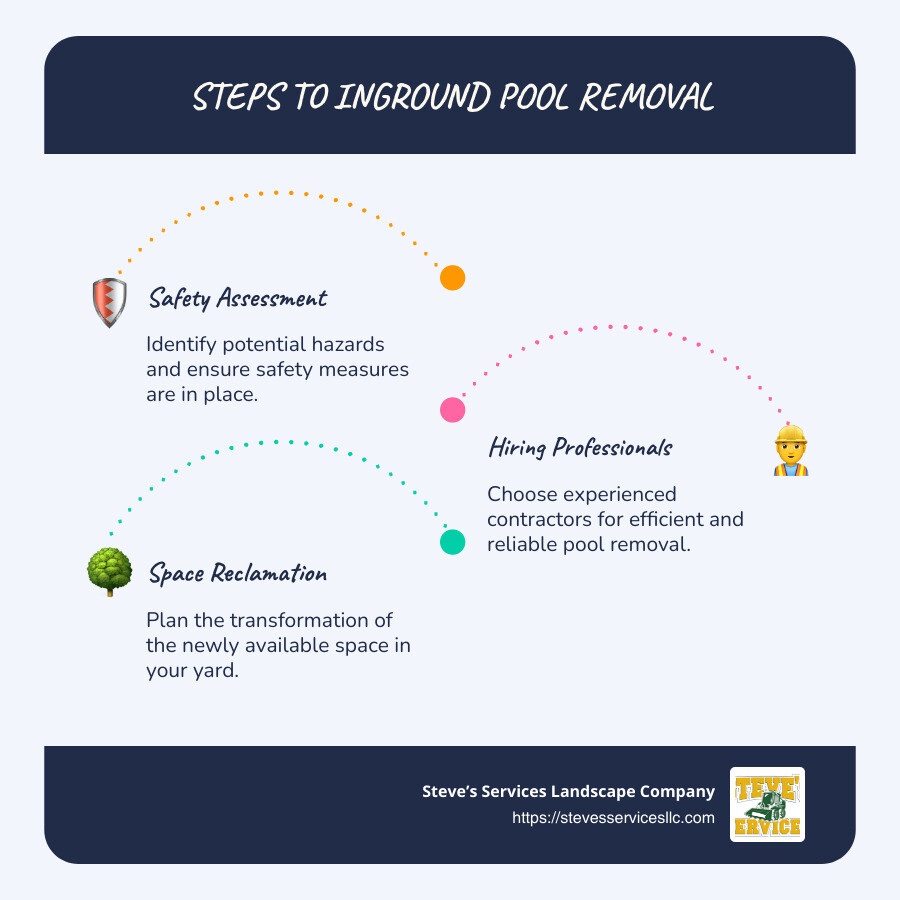
Inground Swimming Pool Removal doesn’t have to be an overwhelming task. Whether you’re taking this step to reclaim valuable yard space, reduce maintenance costs, or improve safety for children and pets, understanding the process is crucial. Key considerations include:
- Safety: Eliminating potential hazards, such as accidental drownings.
- Space: Freeing up your yard for other uses.
- Maintenance Savings: Reducing unnecessary expenses and time commitments.
- Expertise: Hiring professional removal services to ensure the job is done right.
Removing an inground pool can invite a new chapter for your outdoor space. With expert guidance and a clear understanding of the process, you can transition smoothly from an unwanted pool to a versatile yard. Often, the safest and most efficient route is to hire professionals who can manage the complexities and ensure a thorough job.
My name is Steve Sylva, and with over 25 years in the landscaping field, I have assisted many in Massachusetts with their Inground Swimming Pool Removal needs. My team and I at Steve’s Services are dedicated to changing your outdoor spaces with skill and precision.
Inground Swimming Pool Removal word roundup:
– convert swimming pool to patio
– filling in pools
– how much does it cost to close a pool
Why Remove an Inground Pool?
Removing an inground pool can be a significant decision for homeowners. Let’s explore the key reasons why many choose to take this step.
Safety Concerns
Safety is a top priority for families, especially those with young children or pets. Drowning is a leading cause of injury or death among young children in the U.S., according to the CDC. Removing a pool can eliminate this risk entirely, giving parents peace of mind. Additionally, maintaining a safe pool area requires constant vigilance, including fences, covers, and safety equipment. By removing the pool, you can reduce these safety-related stresses.
Space Utilization
Pools can take up a large portion of your yard, limiting other potential uses. By removing an inground pool, you open up possibilities for new features like a garden, playground, or outdoor entertainment area. Gardening and outdoor activities are increasingly popular, offering more control over your food’s origin or creating a space for family fun.
Maintenance Costs
Maintaining a pool can be expensive. On average, pool maintenance costs around $3,000 to $5,000 annually, factoring in water, electricity, and repairs. Additional seasonal costs for opening and closing the pool can add another $300 to $500 each year. Removing the pool can relieve you of these ongoing financial burdens.
Property Value
While pools can add value in certain high-end neighborhoods, they may deter potential buyers in others. Pools that occupy more than a third of the backyard can negatively impact a home’s resale prospects. By removing the pool, you might make your home more appealing to a broader range of buyers, particularly those not interested in the associated maintenance and safety concerns.
Understanding these factors can help you decide whether Inground Swimming Pool Removal is the right choice for your family and property. By addressing safety, space, costs, and property value, you can make an informed decision that aligns with your long-term goals.
Inground Pool Removal Methods
When it comes to Inground Swimming Pool Removal, you have two main methods to consider: Partial Pool Removal and Complete Pool Removal. Each method has its own steps and considerations. Let’s explore the details.
Partial Pool Removal
Partial Pool Removal is often chosen for its cost-effectiveness and speed. Here’s how it works:
- Draining the Pool: The first step, regardless of the method, is to drain the pool. This involves safely removing all water while adhering to local regulations about water disposal.
- Drilling Holes: Once drained, holes are drilled in the bottom of the pool. This is crucial for preventing water accumulation in the future.
- Demolishing the Top Layer: The top 18 to 36 inches of the pool structure are demolished. This includes breaking down concrete or other materials.
- Filling with Rubble and Dirt: The demolished materials are placed in the pool’s bottom. Then, additional dirt is used to fill the cavity.
- Compacting Soil: The final step is compacting the soil to prevent future settling. Proper compaction is essential to ensure the stability of the ground.
Partial removal is quick, typically taking 2-3 days. However, it’s important to note that cities often consider the area non-buildable for future structures.
Complete Pool Removal
Complete Pool Removal is the most thorough method, leaving no trace of the pool. Here’s what it involves:
- Draining the Pool: As with partial removal, the pool must be drained first.
- Removing All Materials: All pool materials, including concrete, fiberglass, and rebar, are completely removed from the site. This ensures no remnants are left underground.
- Hauling Away Debris: The debris is then hauled away for disposal, often involving additional costs for transportation and disposal fees.
- Filling with Soil/Gravel: The empty space is filled with soil or gravel, ensuring the area is stable and ready for any future use.
- Compacting Soil: Just like in partial removal, the soil is compacted. This step is critical to avoid future land instability.
Complete removal is more expensive and time-consuming but offers the benefit of full flexibility for future landscaping or construction projects. With this method, potential buyers won’t even know a pool once existed, eliminating any associated concerns.
Choosing between partial and complete removal depends on your budget, future plans for the space, and local regulations. Both methods have their pros and cons, so it’s important to weigh them carefully to decide which is best for your property.
Cost of Inground Pool Removal
Understanding the costs involved in Inground Swimming Pool Removal is crucial for planning your project effectively. Let’s break down the average costs, factors affecting these costs, regional variations, and the importance of permits.
Average Costs
On average, removing an inground pool costs about $6,500. However, this figure can vary based on the method chosen—partial or complete removal. Partial removal is generally cheaper, while complete removal tends to be more expensive due to the extra labor and disposal requirements.
Cost Factors
Several factors influence the cost of pool removal:
- Size and Type of Pool: Larger pools or those with complex structures like concrete or gunite can increase removal costs.
- Access to Site: If your pool is in a hard-to-reach area, additional equipment may be needed, raising costs.
- Local Labor Rates: Labor costs can vary significantly, impacting the overall price of the project.
- Debris Disposal: The cost to haul away and dispose of pool materials can add to the total expense.
- Backfilling Materials: The type of soil or gravel used for backfilling affects costs. Some areas may require specific materials for stability.
Regional Variations
Costs can also vary by region due to differences in labor rates, permit fees, and local regulations. In areas with higher living costs, expect to pay more for pool removal services. It’s wise to get estimates from contractors in your area to understand the specific costs you might face.
Permits
Obtaining the necessary permits is a crucial step in the pool removal process. Not all areas require permits, but where they are needed, they can add to the cost. Permit fees vary by location and can range from a few hundred to several thousand dollars. Always check with your local building department to understand what’s required.
Securing permits ensures that the removal process complies with local laws and regulations, helping to prevent future issues with property sales or inspections.
Understanding these cost components will help you plan your Inground Swimming Pool Removal effectively, ensuring a smooth transition to your next project phase.
Hiring a Professional for Inground Pool Removal
Removing an inground pool is a complex task that requires expertise and the right equipment. Hiring a professional ensures the process is safe, efficient, and compliant with local regulations. Here’s how to find the right contractor and what to consider.
Finding Contractors
Start by researching local pool removal contractors. Look for companies with positive reviews and a solid reputation in your area. Ask friends or neighbors for recommendations if they’ve had similar work done. You can also search online directories or local listings. Ensure the contractors you consider have experience with Inground Swimming Pool Removal specifically.
Obtaining Estimates
Once you’ve identified potential contractors, request written estimates from at least three. A detailed estimate should include:
- Project Start and Completion Dates: Knowing the timeline helps plan around the work.
- Payment Schedule: Payments should be tied to project milestones, not upfront.
- Permit Responsibilities: Clarify who will obtain and pay for necessary permits.
- Equipment and Protection Measures: The estimate should specify the equipment used and how your property will be protected during removal.
Checking Credentials
Verify the credentials of each contractor. They should be licensed and insured to operate in your area. Ask for copies of their insurance policies, including liability and workers’ compensation, to protect yourself from potential liabilities. Confirm their experience with pool removal by asking for references or examples of past work.
Importance of Permits
Permits are crucial for Inground Swimming Pool Removal. They ensure the work complies with local building codes and regulations. A reputable contractor will handle the permit process for you, but confirm this in your contract. If a contractor hesitates to obtain permits, consider it a red flag.
By carefully selecting a qualified professional, you can ensure your pool removal project is completed safely and efficiently, with minimal disruption to your property.
The Pool Removal Process
Initial Consultation and Estimate
The pool removal journey begins with an initial consultation. During this phase, a contractor visits your property to assess the site. This involves evaluating the pool’s size, location, and accessibility. These factors are crucial in determining the complexity of the removal.
Next, you’ll receive a cost estimate. This document outlines the expected expenses, including labor, equipment, and backfilling materials. It also provides a timeline for the project. Typically, a complete removal takes about five days, while a partial removal might be done in two to three days. Inspections or permit delays can extend this timeline.
Draining the Pool
Before any demolition can begin, the pool must be drained. This process involves removing all water safely, often by pumping it into the local sewer system. Safety is paramount here, as improper drainage can lead to flooding or damage to surrounding areas. Contractors take precautions to ensure the water is disposed of according to local regulations.
Demolition and Removal
Once the pool is drained, the demolition phase starts. For a partial removal, the top section of the pool is demolished, and holes are drilled to prevent water accumulation. In a complete removal, all materials, including concrete and rebar, are taken out. Heavy equipment like hydraulic breakers and pneumatic hammers are used to break down the pool structure.
Handling debris is a critical part of this phase. Contractors are responsible for collecting and disposing of the materials. Many companies, including Steve’s Services Landscape Company, prioritize recycling concrete and other materials to minimize environmental impact.
Backfilling and Compacting
After demolition, the empty pool cavity needs to be filled. This involves backfilling with dirt, sand, or gravel. The choice of soil type depends on how you plan to use the space afterward. For example, engineered backfill is recommended if you plan to build a structure over the area.
The backfilled soil is then compacted to ensure stability. Proper compaction prevents future settling, which could lead to uneven ground. Contractors use specialized equipment to compact the soil in layers, ensuring a firm and stable surface. Finally, the area is graded to match the surrounding landscape, readying it for new uses like landscaping or gardening.
Benefits of Professional Pool Removal
When it comes to Inground Swimming Pool Removal, hiring professionals offers several key benefits that can save you time, money, and ensure a smooth process.
Safety
Professional contractors prioritize safety throughout the pool removal process. They have the expertise to handle heavy machinery safely, reducing the risk of accidents. According to the Centers for Disease Control and Prevention, drowning is a leading cause of injury or death among children, making safety a top concern for pool owners. Removing a pool can eliminate these risks, especially for families with young children or pets.
Efficiency
Experienced contractors complete the pool removal process efficiently. They know the best techniques and have access to the right equipment, ensuring the job is done quickly and correctly. A typical complete removal takes about five days, while a partial removal might be done in two to three days. This efficiency minimizes disruption to your daily life.
Compliance with Regulations
Navigating local regulations can be tricky. Professionals are familiar with the necessary permits and local codes for pool removal. They ensure all work complies with these regulations, preventing future legal issues. As noted in the research, failing to secure proper permits can lead to complications when selling your home.
Quality Assurance
Quality is a hallmark of professional services. Contractors ensure that the removal process leaves your yard in excellent condition, ready for new uses. They use proper backfilling and compacting techniques to prevent future settling, which could lead to uneven ground. This attention to detail ensures a stable and safe surface for whatever you plan to do next with the space.
Frequently Asked Questions about Inground Swimming Pool Removal
How difficult is it to remove an inground pool?
Removing an inground pool can be a complex task, but hiring experienced professionals can simplify the process. Inground Swimming Pool Removal involves several steps: draining the pool, demolishing structures, and safely disposing of debris. Each step requires specialized equipment and knowledge. For example, contractors must carefully drain the pool to avoid damaging the surrounding area or causing the pool shell to float due to underground water pressure. Additionally, demolition requires heavy machinery to break down materials like concrete and rebar, which can be hazardous if not handled properly. Professionals also ensure that all utility lines are identified and protected to prevent service disruptions.
What are the costs associated with inground pool removal?
The costs of removing an inground pool can vary widely based on several factors, including the size and type of the pool, the chosen removal method, and regional cost variations. On average, the cost of a complete pool removal is around $6,500, while a partial removal might be less expensive. Factors influencing the cost include labor, equipment, and disposal fees. Additionally, permits and local regulations can add to the overall expense. It’s important to obtain multiple estimates from qualified contractors to understand the full scope of costs involved in your specific project.
What should I do with the space after removing my pool?
Once your pool is removed, you have a blank canvas to reimagine your outdoor space. Many homeowners choose to create a new entertainment area, such as a deck or patio, where they can gather with family and friends. Others opt for a lush lawn or garden, providing a green space for relaxation or play. If you enjoy outdoor activities, consider installing a fire pit or even a small sports court. That the quality of the backfilling and compacting during the pool removal process is crucial for ensuring a stable and even surface, ready for whatever new purpose you choose.
Conclusion
Inground swimming pool removal can transform your yard into a more versatile and safe space. Whether you’re looking to reduce maintenance costs, eliminate safety concerns, or simply free up space for new possibilities, removing your pool offers numerous benefits.
Professional services play a crucial role in ensuring the pool removal process is smooth and safe. Experienced contractors handle everything from draining and demolition to backfilling and compacting, ensuring compliance with local regulations and minimizing damage to your property. They have the expertise to manage the complexities of pool removal, including the safe disposal of materials and protection of utility lines.
At Steve’s Services Landscape Company, we offer comprehensive solutions custom to your needs. Our skilled team is dedicated to delivering exceptional service and ensuring your project is completed with precision and care. With locations throughout Massachusetts, including Everett, Burlington, and Reading, we’re ready to help you reclaim your backyard.
By choosing professional pool removal, you can enjoy peace of mind knowing your project is in capable hands. Let us help you turn your outdoor space into a beautiful and functional area that improves your home and lifestyle. Contact us today to learn more about how we can assist with your inground swimming pool removal and other landscaping needs.
