
Snow and Ice Management: 2025 Ultimate Safety
Navigating Winter with Confidence
We can’t control the weather, but we can manage the snow and ice it leaves behind. That’s the essence of professional snow and ice management—a vital service that goes beyond simply pushing snow.
What is Snow and Ice Management?
It involves all practices and procedures to reduce winter weather hazards. Its key goals are to ensure pedestrian and driver safety, protect property from damage, maintain accessibility for businesses and residents, and reduce liability risks for property owners.
Winter can be beautiful, but it also brings challenges. Slips and falls on icy surfaces are dangerous and can lead to serious injuries. For business owners, uncleared snow and ice can also lead to costly lawsuits. Professional snow and ice management helps keep your property safe and open, ensuring peace of mind.
With over 25 years of experience, I’m Steve Sylva, owner of Steve’s Services. My team and I specialize in comprehensive landscape solutions, including expert snow and ice management, ensuring properties remain safe and accessible throughout the winter season.
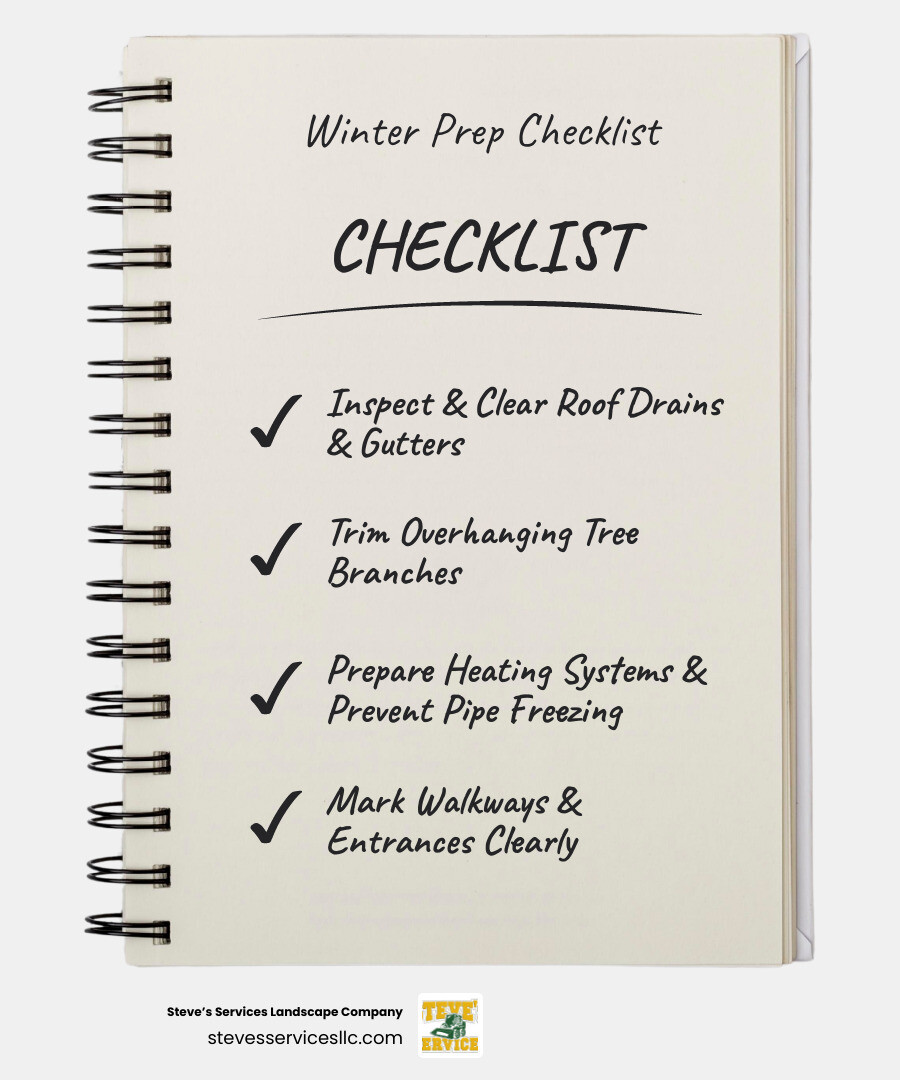
Snow and ice management terms to learn:
The Core Components of Professional Snow and Ice Management
When winter weather arrives, our team provides a suite of essential services designed to keep your property safe and accessible. We know every storm presents unique challenges, and our comprehensive approach ensures we’re ready for anything.
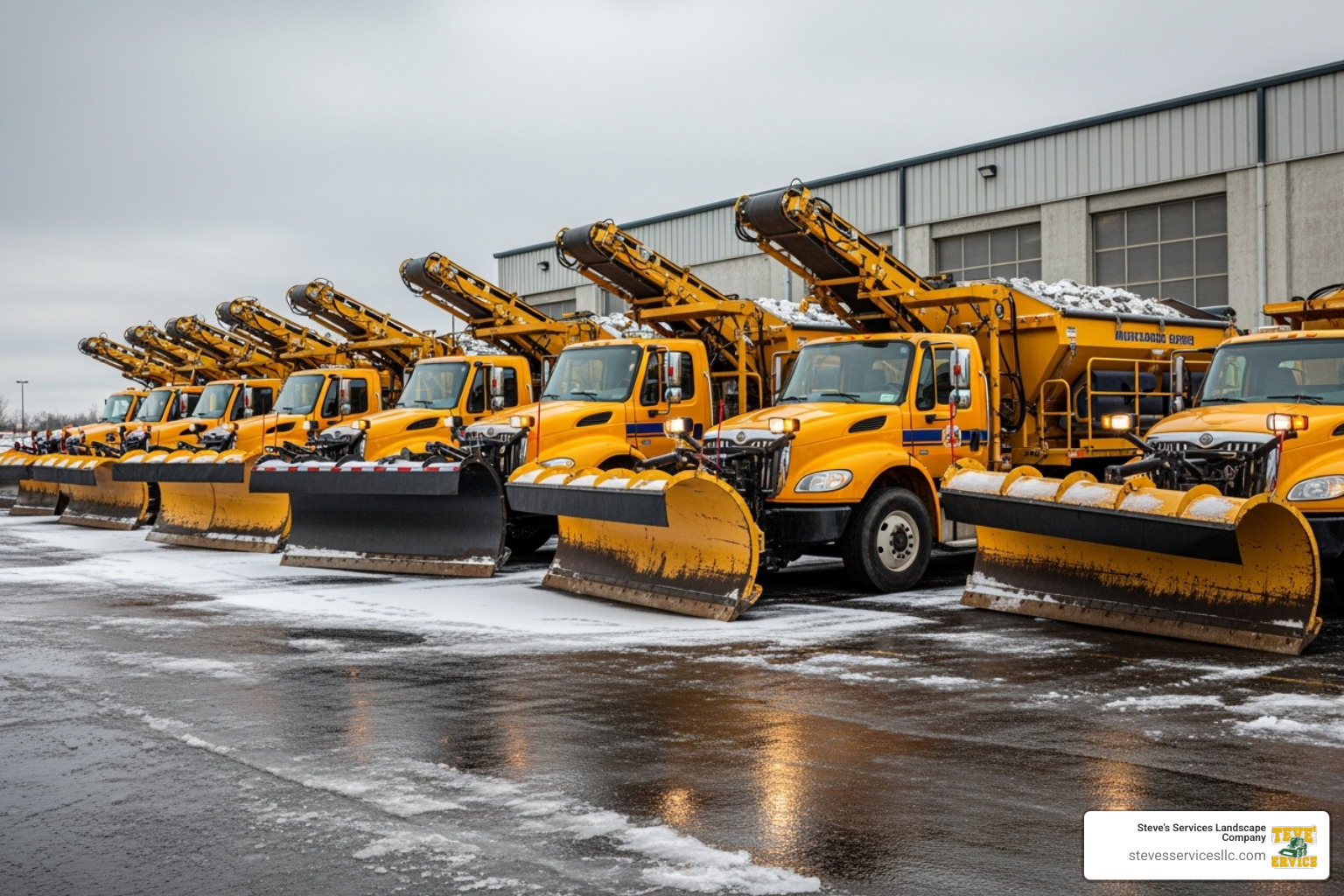
Our essential snow and ice management services include:
Snow Plowing
This is the first line of defense against heavy snowfall. Plowing is typically done when snow cover becomes a hindrance. Our fleet is prepared to address properties of all sizes, and we react quickly to clear your parking lots and driveways. During heavy storms, we plow periodically to prevent deep, compacted snow that is difficult to move.
Sidewalk Clearing
Pedestrian safety is paramount. We ensure sidewalks, steps, and pathways are kept clear of snow and ice, which is crucial for businesses needing clear access for customers and employees. Many municipalities require property owners to clear sidewalks by a specific deadline to avoid fines and dangerous slip-and-fall hazards.
Snow Stacking & Hauling
When snow piles become too large, we offer snow stacking to move snow to designated on-site areas. If space runs out, our snow hauling services remove it from your property entirely. This ensures your property remains functional and safe, even after multiple heavy snowfalls.
Ice Control
Ice is often more dangerous than snow. Our ice control strategy involves using a variety of salt products, including environmentally-friendly options, and monitoring application times. Applying de-icing agents before ice forms (anti-icing) can prevent it from bonding to surfaces, making removal much easier. We also schedule return visits when re-icing is a problem.
Proactive Strategies: Anti-Icing and Weather Monitoring
Our approach isn’t just reactive; it’s proactive. We believe in preventing problems before they start.
Liquid salt brine is a cornerstone of our anti-icing program. Applying this pre-treatment before a storm helps prevent ice from bonding to the pavement, making plowing easier and reducing the amount of de-icing material needed. This proactive step saves money and is better for the environment by working faster and reducing material waste.
Predictive forecasting is another critical component. We engage in 24-hour weather monitoring to stay prepared. By tracking forecasts and conditions, we can dispatch crews and apply pre-treatment solutions at optimal times, ensuring we’re ready to tackle jobs before, during, and after storms hit.
Modern Equipment and Technology in Snow Operations
The effectiveness of snow and ice management relies on the right tools. Our fleet includes various plow trucks, loaders, and backhoes to handle different property layouts.
Beyond machinery, GPS tracking and snowplow trackers are vital. These telematics systems allow us to monitor our fleet in real-time, optimizing routes and providing transparency to our clients. This technology ensures prompt service and allows us to provide detailed reports to verify completed work, which is crucial for accountability and risk management.
Commercial Snow Removal
Best Snow Removal Equipment
Understanding Roles and Responsibilities: Public and Private Sector
Effective snow and ice management is a team effort involving professional services, local municipalities, and property owners. Everyone plays a part in navigating the snowy season with confidence.
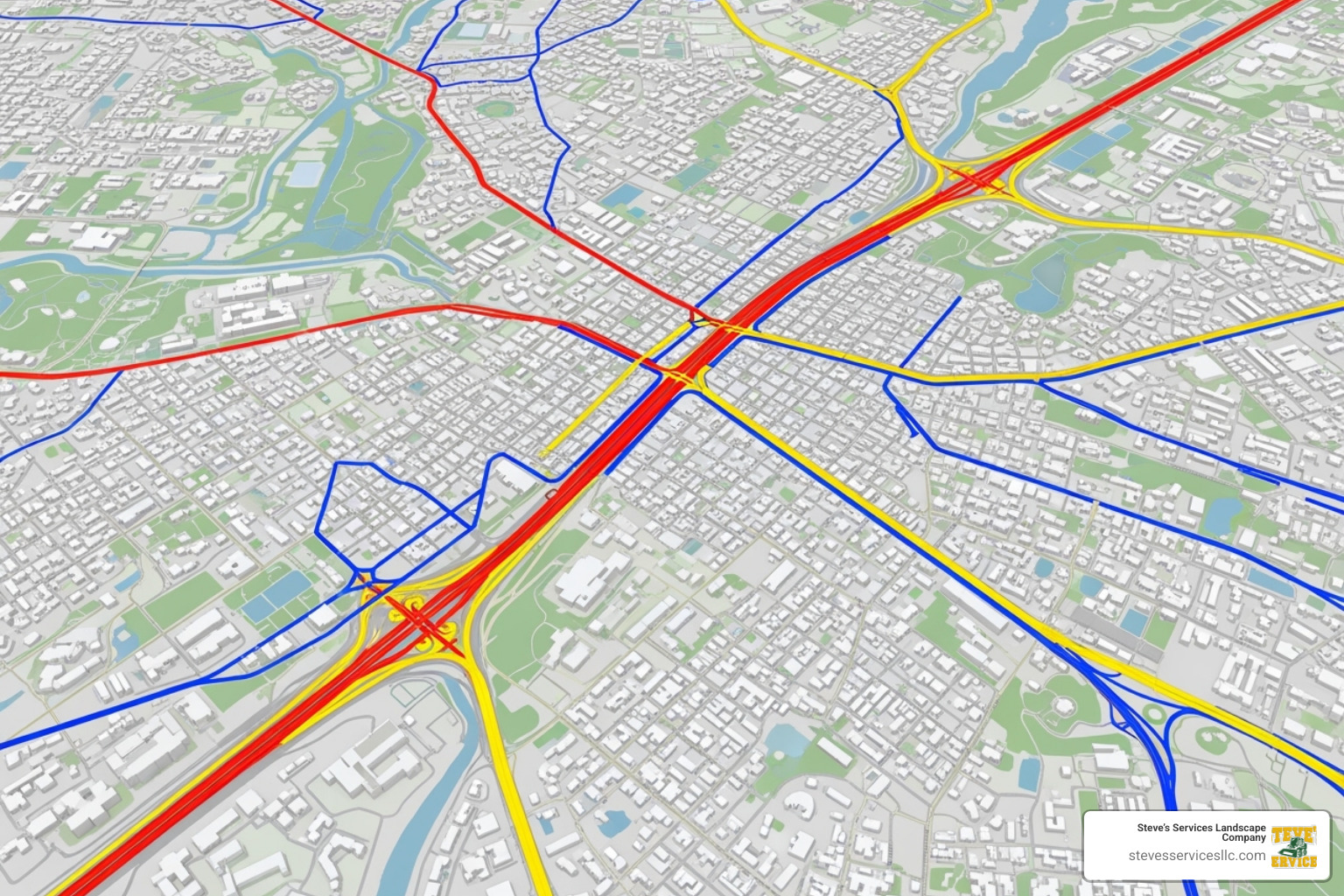
Municipal Snow Removal: A System of Priorities
Cities work hard to keep public roads clear using a priority system for snow and ice management. This systematic approach ensures that the most critical paths are always open first, keeping everyone moving safely.
- Priority 1 Routes: These are the main arteries, high-traffic roads, and emergency routes to hospitals. They receive round-the-clock attention during a snowstorm.
- Priority 2 Routes: These include secondary roads, bus routes, and access roads to important facilities. They are also typically maintained around the clock during severe weather.
- Priority 3 Routes: These are local and residential streets. They are usually cleared after Priority 1 and 2 routes are safe, often during regular business hours.
The Property Owner’s Duty: Ensuring Safety and Accessibility
While the city handles public roads, property owners are responsible for the sidewalks bordering their property. This is often a legal obligation.
Many municipalities have sidewalk clearing deadlines, requiring snow and ice to be cleared within a set time after a snowfall. Failing to comply can result in daily fines. The biggest concern is slip and fall risks. An icy, uncleared sidewalk is a hazard, and for commercial property owners, it can lead to costly lawsuits. Professional snow and ice management is invaluable for minimizing liability and ensuring you meet your legal obligations.
Beyond legalities, ensuring accessibility is the right thing to do. Clear sidewalks make it safer for everyone, especially seniors and those with mobility challenges. Remember to also clear snow around fire hydrants and catch basins to ensure emergency access and prevent flooding.
For more details on maintaining pedestrian areas, you can consult resources like the FHWA Guide for Maintaining Pedestrian Facilities. And to understand how professional management can minimize risks for your commercial property, check out our insights on Snow in New England: Minimizing Risks for Commercial Properties with Professional Snow Management.
Best Practices for Sustainable and Effective Snow Management
At Steve’s Services, we believe effective snow and ice management goes hand-in-hand with environmental responsibility. This means carefully choosing our de-icing materials and applying them with precision to protect the land, water, and plants around us.
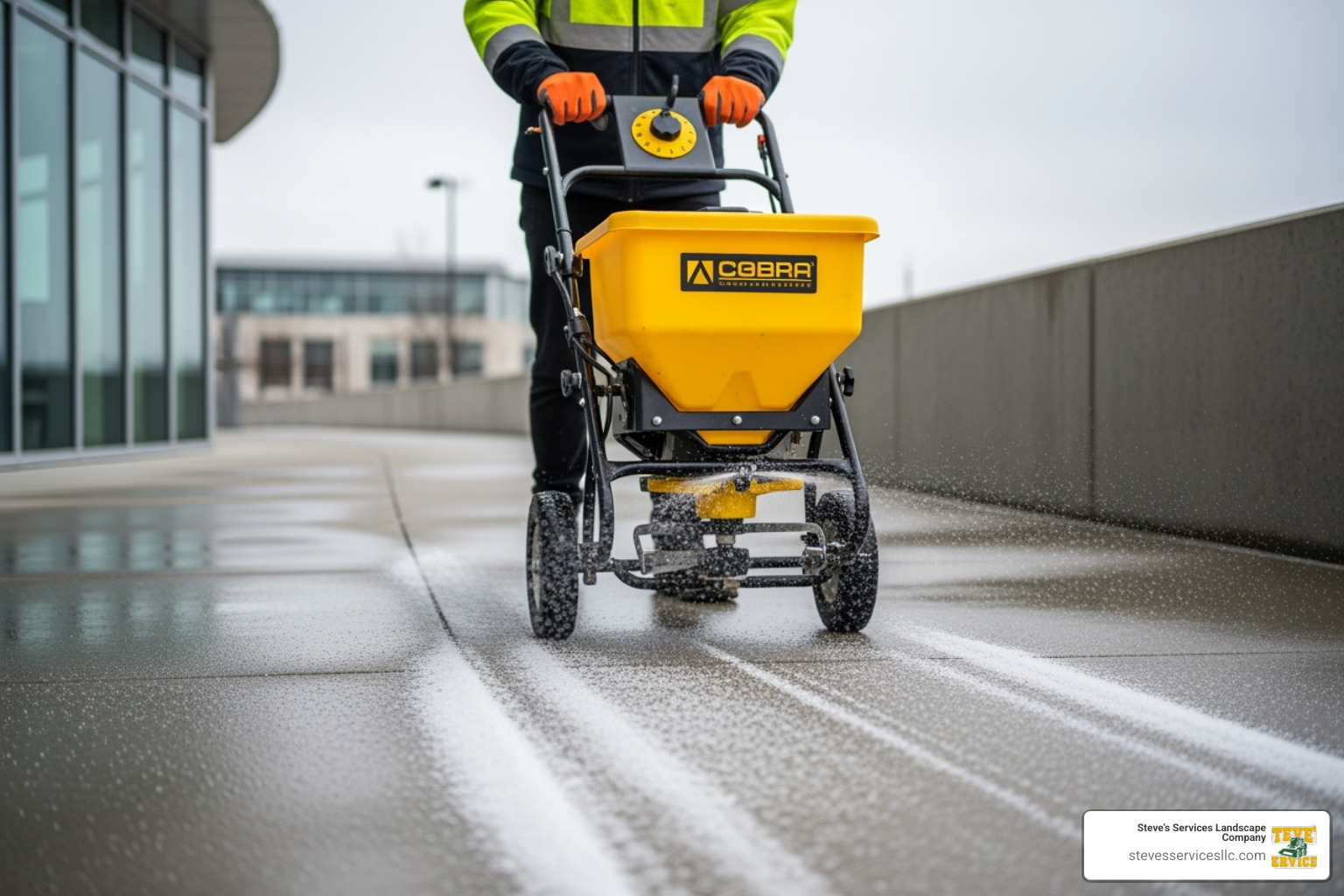
Choosing the Right De-Icing Materials
Not all de-icing materials are right for every situation, as their effectiveness changes with temperature. We keep a variety of options on hand to select the best one for the conditions.
- Sodium Chloride (Rock Salt): A cost-effective choice, best used for temperatures down to 20°F (-6°C). We apply it judiciously to protect plants and pavement.
- Calcium & Magnesium Chloride: These are effective at much lower temperatures (as low as -25°F for calcium chloride). They work quickly and are often gentler on surfaces.
- Eco-Friendly Alternatives: For sensitive areas, we may use materials like Potassium Chloride or Calcium Magnesium Acetate (CMA). While often more expensive, they are gentler on the environment and concrete.
- Sand: When it’s too cold for de-icers, sand provides immediate traction on slick surfaces, though it requires later cleanup.
Strategic Application for Maximum Impact and Minimal Waste
How we apply materials is just as important as which ones we choose. Our goal is to maximize effectiveness while minimizing waste and environmental impact.
One key strategy is pre-wetting salt. Spraying solid de-icers with a liquid brine before spreading helps the material stick to the pavement and work faster, reducing waste. We also pay close attention to calibrating our spreaders to apply the de-icer at the correct rate—typically between two and four ounces per square yard for most products. Over-applying wastes resources and can harm the environment.
Most importantly, we are always using the right amount for the specific conditions, considering pavement temperature and weather forecasts. Our commitment to environmentally conscious snow and ice management means we conduct a post-storm assessment to see how our strategies worked and fine-tune our practices for the future.
Best Practices for Sustainable Salt Use
Hiring a Professional: What to Look for in a Snow Management Partner
Partnering with a reliable snow and ice management company is the best first step toward ensuring your property stays safe and accessible all winter. But how do you choose the right one?
Key Questions to Ask a Potential Snow and Ice Management Provider
When vetting potential providers, here are some key questions to ask:
- Equipment Fleet: Do they have a large, diverse fleet to handle major storms and service all areas of your property, from lots to sidewalks?
- Response Times: Clarify their response times and “trigger depths” (e.g., plowing at 2 inches) to ensure they provide service when you need it—before, during, and after a storm.
- Communication: How will they communicate during a storm? Do they use 24-hour weather monitoring to stay proactive?
- Liability and Insurance: Verify they have adequate, current insurance. Snow removal insurance is critical and protects both you and the contractor.
- Documentation: Inquire about their service documentation. Detailed reports provide accountability and are useful for billing and liability purposes.
- Sustainable Practices: Ask about their sustainable practices, such as using eco-friendly materials and calibrating equipment to prevent over-application.
- References: Always ask for references from current commercial clients to verify their reliability and service quality.
For more information, check out our guide on Commercial Snow Removal Companies Near Me.
Understanding Commercial Snow and Ice Management Contracts
Knowing the different contract options can help you choose the best fit for your budget and needs.
- Per-Push/Per-Event: You pay a set fee each time the property is serviced (per-push) or for all services during a single storm (per-event). Costs can be high in a very snowy winter.
- Seasonal Contracts: A flat fee covers the entire winter, offering predictable budgeting. This is ideal for businesses, though costs are fixed even in a mild winter. Some contracts include caps or floors to balance the risk.
- Time & Materials (T&M): You pay an hourly rate for labor and equipment plus the cost of materials. This is flexible but can lead to unpredictable costs in severe winters.
No matter the contract, the scope of work is critical. This document outlines exactly what services will be provided, for which areas, and at what trigger depths (e.g., plowing at 2 inches). We believe in full transparency and offer in-depth consultations to suggest the best plan for your property.
To learn more about your options, visit our page on Commercial Snow Removal Contracts.
Frequently Asked Questions about Snow and Ice Management
Here are some of the most common questions we get about snow and ice management, along with our expert answers.
What’s the difference between de-icing and anti-icing?
Understanding the difference is key to effective snow and ice management.
- De-icing is reactive; it involves applying materials to melt snow and ice that have already accumulated on a surface.
- Anti-icing is proactive; it involves pre-treating surfaces with a liquid agent, like salt brine, before a storm to prevent ice from bonding to the pavement. This makes clearing easier, more efficient, and more environmentally friendly.
Why can’t I just pile snow from my driveway onto the street?
It may seem easy, but piling private snow onto public streets is generally prohibited for several important reasons:
- Creates Hazards: Piles can block drivers’ visibility and narrow the road, making it difficult for traffic and emergency vehicles to pass.
- Obstructs Drainage: Melting snow can block storm drains, leading to flooding on the street and nearby properties.
- Violates Bylaws: Most municipalities, including those in the Everett, MA area, prohibit this and may issue fines.
- Hinders Plowing: It interferes with municipal plows, which may push the snow right back onto your property. It’s best to keep private snow on private property.
How much does professional snow removal cost?
The cost of professional snow and ice management varies based on property size, services needed, and contract type.
Based on general internet data and not actual costs for Steve’s Services (we provide customized quotes), here are some average cost ranges you might see online:
- Residential Properties: Per-push costs can range from $50 to $200 per visit, while seasonal contracts often fall between $400 and $1,500+.
- Commercial Properties: Costs are highly customized. Per-push rates might range from $75 to $500+, while seasonal contracts for larger properties can be $2,000 to $10,000+ or significantly more.
Again, these are general average costs based on internet data and are not actual quotes from Steve’s Services. We offer personalized consultations to provide a detailed, customized quote for your property’s specific needs.
Conclusion: Partnering for a Safe and Accessible Winter
Winter doesn’t have to be a source of stress. With a proper snow and ice management plan, you can handle the season with confidence.
As we’ve covered, effective snow and ice management is more than just pushing snow—it’s a comprehensive strategy focused on safety, preparation, and reliability. Winter readiness means having a plan before the first flake falls, understanding your responsibilities, and choosing partners who share your commitment to safety.
Safety and liability are paramount during winter. Slip and fall risks can lead to costly lawsuits, and proper sidewalk clearing is often the law. Professional snow and ice management services proactively minimize these risks, providing what we call “liability-free peace of mind.”
The value of a professional partnership lies in expertise and reliability. While you focus on your business, professionals handle the complexities of weather monitoring, equipment, and strategic applications. They have the resources and experience to respond whenever needed.
At Steve’s Services, we’ve been helping property owners in the greater Everett, MA area steer winter for over 25 years. Our comprehensive approach combines modern equipment, sustainable practices, and responsive service that lets you rest easy, no matter the forecast.
Winter will come whether we’re ready or not. The question is: will you face it alone, or will you have a trusted partner by your side? For a reliable partner in the greater Everett, MA area, explore our comprehensive Snow Management services. We’re here to help you steer winter with confidence.
