
Sod Fertilizer: Top 5 Best Picks for 2025 Growth
Sod Fertilizer is essential for cultivating a lush and vibrant lawn, which not only improves the beauty of your landscape but also promotes strong root establishment. The right sod fertilizer provides vital nutrients that are crucial for the early stage development of sod. Here’s a quick list to guide you on what to look for:
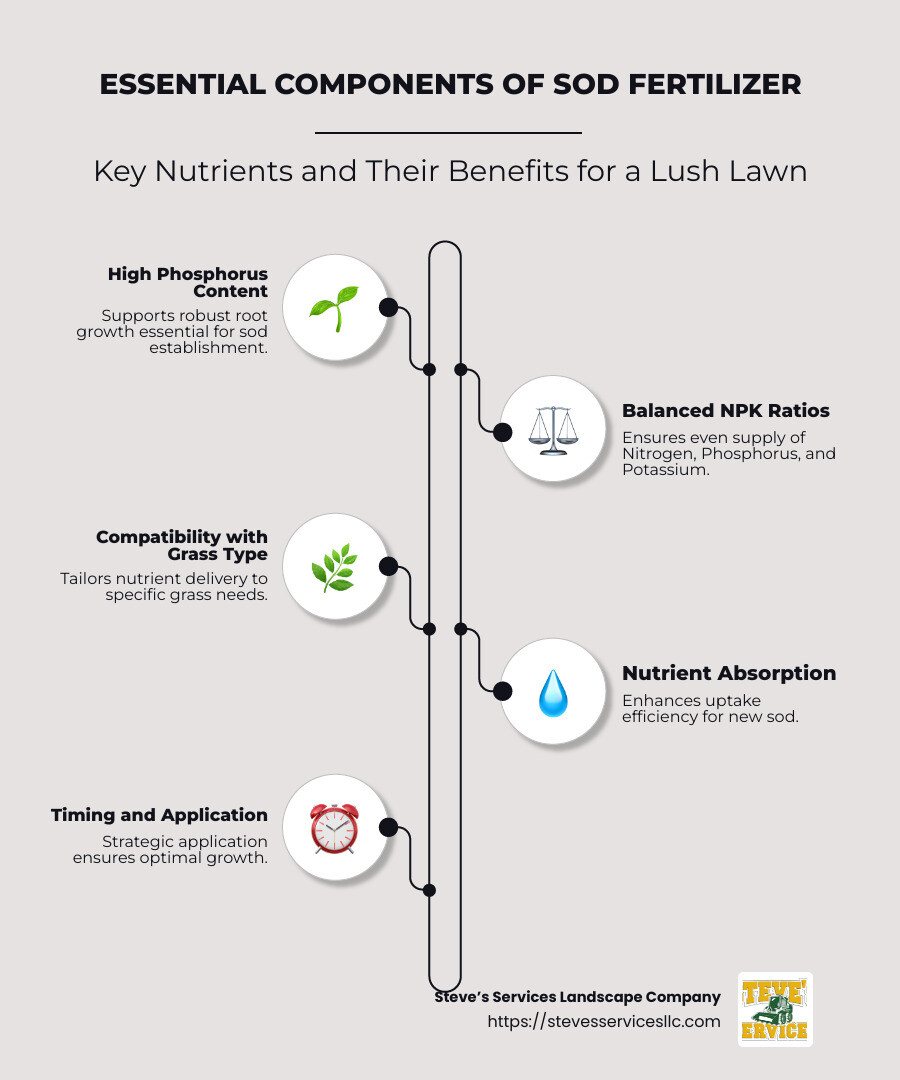
- High Phosphorus Content: Supports root growth
- Balanced NPK Ratios: Ensures even nutrient supply
- Compatibility with Grass Type: Tailors nutrient delivery to specific needs
Fertilization is vital for developing a healthy, green lawn. When properly applied, sod fertilizer nourishes your turf and helps in root establishment—key to a robust and resilient lawn.
I’m Steve Sylva, with over 25 years of experience in landscape maintenance and installation. My company, Steve’s Services, provides expert guidance and services custom to optimize sod fertilizer use for the best results in the Massachusetts area.
Relevant articles related to Sod Fertilizer:
– fertilizer 16 4 8
– fertilizer should be applied to newly laid sod.
– super sod 16 4 8
Understanding Sod Fertilizer
To achieve a lush, green lawn, understanding Sod Fertilizer is crucial. The key lies in the NPK ratio, which stands for Nitrogen (N), Phosphorus (P), and Potassium (K). These nutrients are essential for your lawn’s health and growth.
NPK Ratios and Balanced Formulas
NPK ratios are like a recipe for your lawn. Each number represents the percentage of each nutrient in the fertilizer. For new sod, balanced formulas like 15-15-15 or 16-16-16 are ideal. These provide an equal mix of nutrients, ensuring your lawn gets what it needs to thrive.
- Nitrogen (N): Promotes lush, green growth.
- Phosphorus (P): Encourages strong root development.
- Potassium (K): Boosts overall plant health and disease resistance.
The Importance of Phosphorus
Phosphorus is particularly important for new sod. It helps in developing a strong root system, which is crucial in the early stages of sod establishment. A higher phosphorus content, such as in a 10-20-20 formula, can make a significant difference in how quickly and effectively your sod takes root.
Choosing the right fertilizer with the appropriate NPK ratio can set the foundation for a healthy, vibrant lawn. It’s not just about the numbers; it’s about giving your sod the best start possible.
Next, we’ll explore the top fertilizers that can help you achieve lush growth for your new sod.
Top 5 Sod Fertilizers for Lush Growth
Choosing the right Sod Fertilizer can make a significant difference in how well your lawn establishes and thrives. Here are the top five fertilizers to consider for lush growth:
15-15-15 Balanced Fertilizer
The 15-15-15 fertilizer is an excellent choice for those seeking a balanced nutrient mix. With equal parts of Nitrogen, Phosphorus, and Potassium, this formula supports overall lawn health. Nitrogen promotes lush, green growth, while phosphorus strengthens root development. Potassium improves disease resistance and stress tolerance.
16-16-16 Fertilizer
Another balanced option is the 16-16-16 fertilizer. Similar to the 15-15-15, this formula provides a slightly higher nutrient content. It’s ideal for lawns needing a bit more of each nutrient to achieve robust growth and resilience. This even distribution ensures your sod has a steady supply of essential nutrients.
10-20-20 Fertilizer
For new sod, the 10-20-20 fertilizer stands out due to its higher phosphorus content. Phosphorus is critical for root development, especially during the early stages of sod establishment. This formula is perfect for ensuring that your sod roots firmly and quickly, setting a strong foundation for future growth.
18-24-12 Starter Fertilizer + Iron
Designed specifically for grass types like Tall Fescue, Bermuda, and Zoysia, the 18-24-12 Starter Fertilizer + Iron offers a unique nutrient blend. The high phosphorus level supports root growth, while added iron improves leaf color, resulting in a vibrant, green lawn. This fertilizer is particularly effective when applied to prepared soil before laying new sod.
Organic Fertilizer Options
For those interested in improving soil health, organic fertilizers are an excellent choice. These fertilizers release nutrients slowly, reducing the risk of burning your sod. They improve soil structure by adding organic matter, which is beneficial for long-term lawn health. Although they may require more frequent applications, the benefits to soil and plant health are worth the investment.
Selecting the right Sod Fertilizer is crucial for establishing a lush and healthy lawn. Whether you prefer a balanced formula or one rich in phosphorus, these top fertilizers can help your sod thrive. Next, we’ll discuss the best practices for applying these fertilizers to ensure optimal results.
Best Practices for Applying Sod Fertilizer
Applying Sod Fertilizer correctly can make all the difference in achieving a lush, green lawn. Here’s how to do it right:
Timing
Timing is everything when it comes to fertilizing new sod. Wait about 4-6 weeks after installation before applying your first dose of fertilizer. This allows the sod to establish its roots in the soil, ensuring that it can absorb the nutrients effectively. Early spring, late spring, and early fall are the best times to fertilize, as these seasons provide optimal growing conditions.
Even Distribution
For even distribution, always use a mechanical spreader. This ensures that every part of your lawn gets the nutrients it needs without risking over-fertilization in certain areas. Follow the manufacturer’s recommendations for spreader settings, but for the first application, it’s wise to apply at half the recommended rate. For instance, if the bag suggests setting your spreader to 13, set it to 6.5 instead. This gentle approach prevents overwhelming your new sod.
Avoid “chicken feeding,” or spreading fertilizer by hand, as this can lead to uneven application and potential burnt patches. Overlap slightly with each pass of the spreader and walk at a steady pace to maintain even coverage.
Watering After Application
Water your lawn thoroughly after applying fertilizer. This helps the nutrients penetrate the soil and reach the roots, which is crucial for preventing fertilizer burn. Aim to moisten the soil to a depth of about 6 inches. This deep watering supports root growth and ensures the nutrients are distributed evenly throughout the soil.
By following these best practices, you can ensure that your new sod receives the right nutrients in the right way, setting the stage for a healthy, vibrant lawn.
Next, we’ll address some frequently asked questions about using sod fertilizer effectively.
Frequently Asked Questions about Sod Fertilizer
What is the best fertilizer for newly laid sod?
When choosing a fertilizer for newly laid sod, a balanced NPK ratio is ideal. Look for formulas like 15-15-15 or 16-16-16. These provide a good mix of nutrients, ensuring your grass gets everything it needs to thrive.
Phosphorus is especially important. It helps the grass develop strong roots. A starter fertilizer with a higher phosphorus content, like 10-20-20, is a great choice. This encourages root growth, which is crucial for new sod.
How often should new sod be fertilized?
Timing your fertilizer applications is key to a healthy lawn. Wait 4-6 weeks after laying your sod before the first application. This gives the roots time to settle in.
After the initial fertilization, apply fertilizer every 6-8 weeks during the growing season. Always follow the instructions on the fertilizer package, but consider starting at half the recommended rate. This cautious approach prevents nutrient overload, which can damage young grass.
Can I use liquid fertilizer on new sod?
Yes, you can use liquid fertilizer on new sod. Liquid fertilizers are absorbed quickly, providing a fast nutrient boost. They’re easy to apply with a garden hose, making them a convenient option.
For new sod, a staggered schedule works best. Apply liquid fertilizer once in the first week, again in the second, and then in the third week. This ensures a steady supply of nutrients, supporting healthy growth without overwhelming the young grass.
By understanding these aspects of Sod Fertilizer, you can ensure your new lawn gets off to a strong start.
Conclusion
Caring for your lawn doesn’t stop once your sod is laid. It’s a long-term commitment that requires consistent attention. At Steve’s Services Landscape Company, we understand that every lawn is unique and deserves personalized care. Our team of experts is here to guide you through every step of the process, ensuring your lawn remains lush and healthy for years to come.
Long-term care is essential for maintaining the beauty and health of your lawn. This includes regular watering, mowing, and fertilization. By gradually reducing watering frequency and increasing the depth, you can encourage deep root growth. Regular mowing at the right height with sharp blades keeps your lawn looking neat and prevents stress on the grass. Seasonal fertilization with the right nutrients prepares your lawn for changing weather conditions.
At Steve’s Services, we offer personalized solutions custom to your lawn’s specific needs. From soil testing to selecting the ideal fertilizer, our comprehensive services cover everything. We take pride in our ability to transform outdoor spaces into beautiful, thriving environments.
Investing in professional lawn care means more than just aesthetics. It’s about enhancing your property’s value and creating a welcoming space for you and your family. Let us help you achieve a lawn that’s the envy of the neighborhood.
Ready to give your lawn the care it deserves? Contact us today to explore how Steve’s Services Landscape Company can provide the perfect solution for your lawn care needs. Together, we can ensure your lawn not only survives but thrives, offering a beautiful backdrop for all your outdoor activities.