Your 2025 Sprinkler Backflow Preventer Replacement Cost Guide
Protecting Your Water and Your Wallet
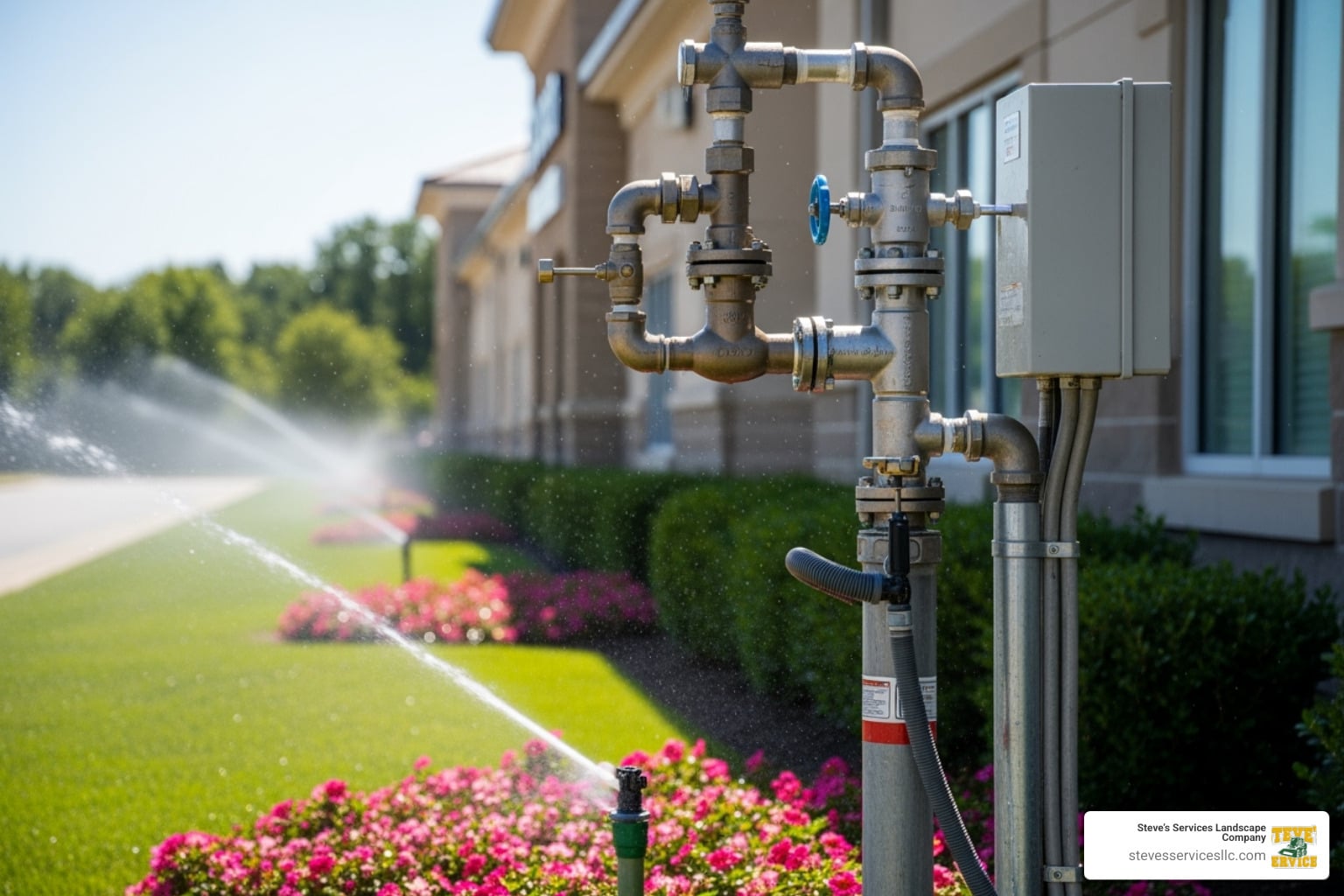
Understanding the sprinkler backflow preventer replacement cost is crucial for maintaining a safe and healthy water supply for your home and community. A failing backflow preventer can contaminate your drinking water, making timely replacement essential.
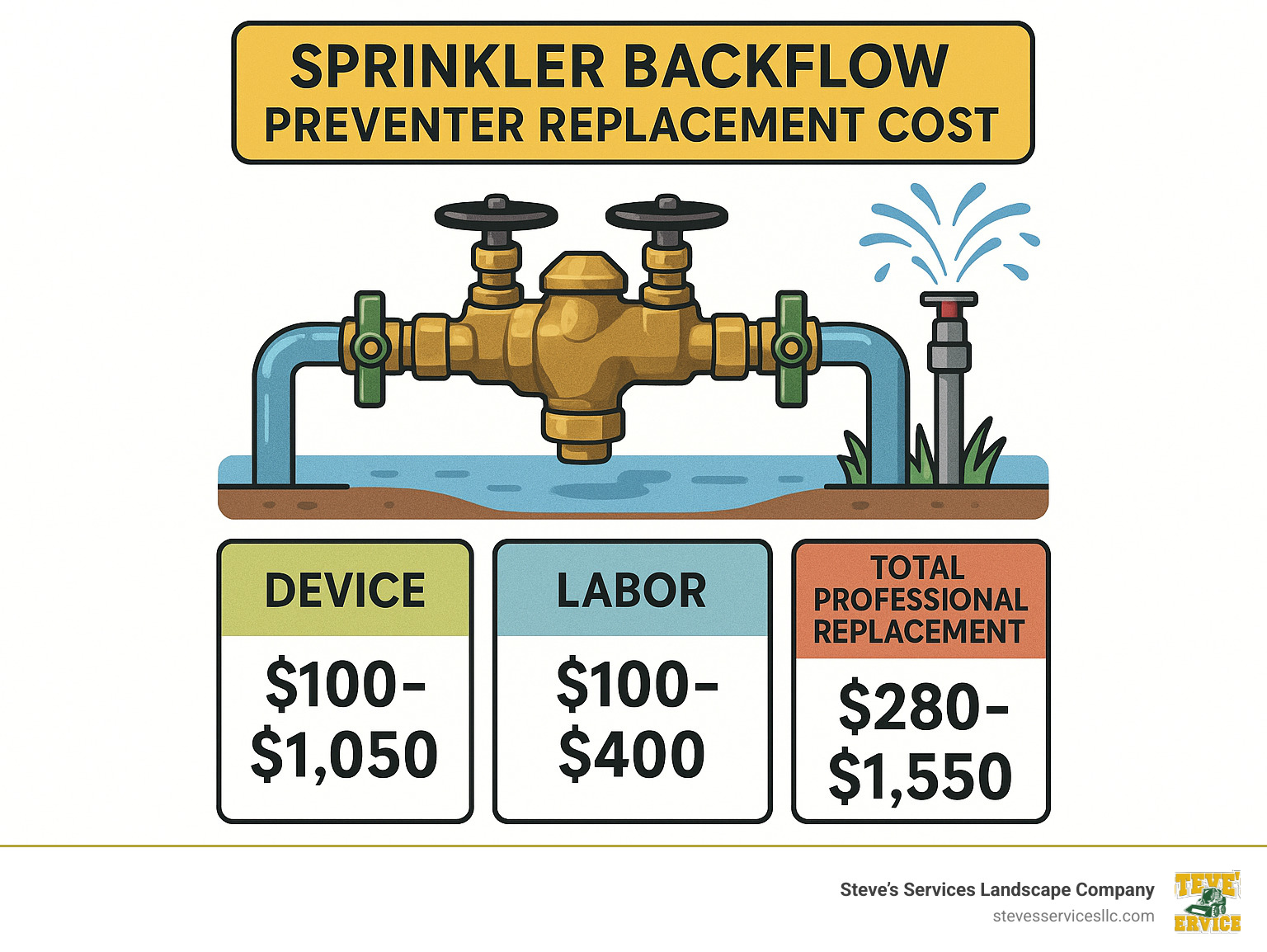
For a quick answer, professional replacement of a sprinkler backflow preventer, including parts and labor, typically costs between $280 and $1,550.
Please note: These are average costs based on aggregated internet data and do not represent a quote from Steve’s Services. Actual costs can vary significantly based on specific factors discussed in this guide.
As Steve Sylva, owner of Steve’s Services, I’ve spent over 25 years dedicated to landscape maintenance and irrigation system health. My team and I understand the critical role these devices play, and I’m here to shed light on the sprinkler backflow preventer replacement cost to help you make informed decisions.
Sprinkler backflow preventer replacement cost terms you need:
- how much does a water sprinkler system cost
- water sprinkler repair cost
- sprinkler head replacement cost
The National Average Sprinkler Backflow Preventer Replacement Cost
Based on national data, the total cost for a professional sprinkler backflow preventer replacement, including the device and labor, typically falls between $280 and $1,550. Simpler jobs may be less, while complex installations can exceed this range. Please note that these are national averages from online sources and not a quote from Steve’s Services. Your actual cost will vary based on your location, the required device type, and job complexity.
Key Factors That Influence Your Final Bill
While knowing the average costs gives you a good starting point, several key factors can significantly impact your final sprinkler backflow preventer replacement cost. These variables can cause prices to swing quite a bit, even within the same neighborhood. Let’s explore what might push your project’s cost higher or lower, so you can better prepare for what’s ahead.
The truth is, no two backflow preventer replacement jobs are exactly alike. Your specific situation—from the type of device you need to where it’s located on your property—all plays a role in determining the final price tag.
Cost Variations by Backflow Preventer Type and Size
Not all backflow preventers are created equal, and understanding the differences can help you make sense of why costs vary so much. For sprinkler systems, you’ll typically encounter three main types, each with its own price range and level of protection.
Pressure Vacuum Breakers (PVB) are the most common choice for residential sprinkler systems. They’re designed to protect against back-siphonage by introducing air into the system when pressure drops. These units are generally the most budget-friendly option, with device costs ranging from $100 to $300. They’re typically installed above ground, which makes them easier to access for maintenance.
Double Check Assemblies (DCA) offer moderate protection against both back-siphonage and backpressure. These units feature two independently operating check valves and are often used in low-hazard situations. You can expect to pay between $150 and $500 for the device itself. A typical 3/4-inch double check backflow preventer might cost around $164.
Reduced Pressure Zone (RPZ) assemblies provide the highest level of protection, safeguarding against both back-siphonage and backpressure. These are more complex units with two check valves and a relief valve that opens to discharge water if there’s a problem. They’re often required for higher-hazard applications and come with a higher price tag, ranging from $300 to over $1,000 for the device alone. A 1-inch RPZ assembly could cost around $529 or more.
| Type | Typical Device Cost Range | Level of Hazard Protection | Common Applications for Residential Sprinkler Systems |
|---|---|---|---|
| Pressure Vacuum Breaker (PVB) | $100 – $300 | High (back-siphonage) | Standard residential irrigation systems |
| Double Check Assembly (DCA) | $150 – $500 | Moderate (back-siphonage & backpressure) | Low-hazard residential irrigation, often indoors |
| Reduced Pressure Zone (RPZ) | $300 – $1,000+ | High (back-siphonage & backpressure) | High-hazard residential irrigation (e.g., chemical injection systems) |
The size of your pipes also plays a crucial role in determining cost. Larger pipe diameters require bigger, more expensive devices. A 1/2-inch valve might cost $35 to $55, while a 2-inch valve could run $75 to $200. Commercial-grade 6-inch valves can range from $100 to $300 or more.
The Impact of Accessibility and Job Complexity
Where your backflow preventer is located and what condition it’s in can dramatically affect the labor portion of your sprinkler backflow preventer replacement cost. Sometimes what looks like a simple job can turn into a more complex project once we start digging in.
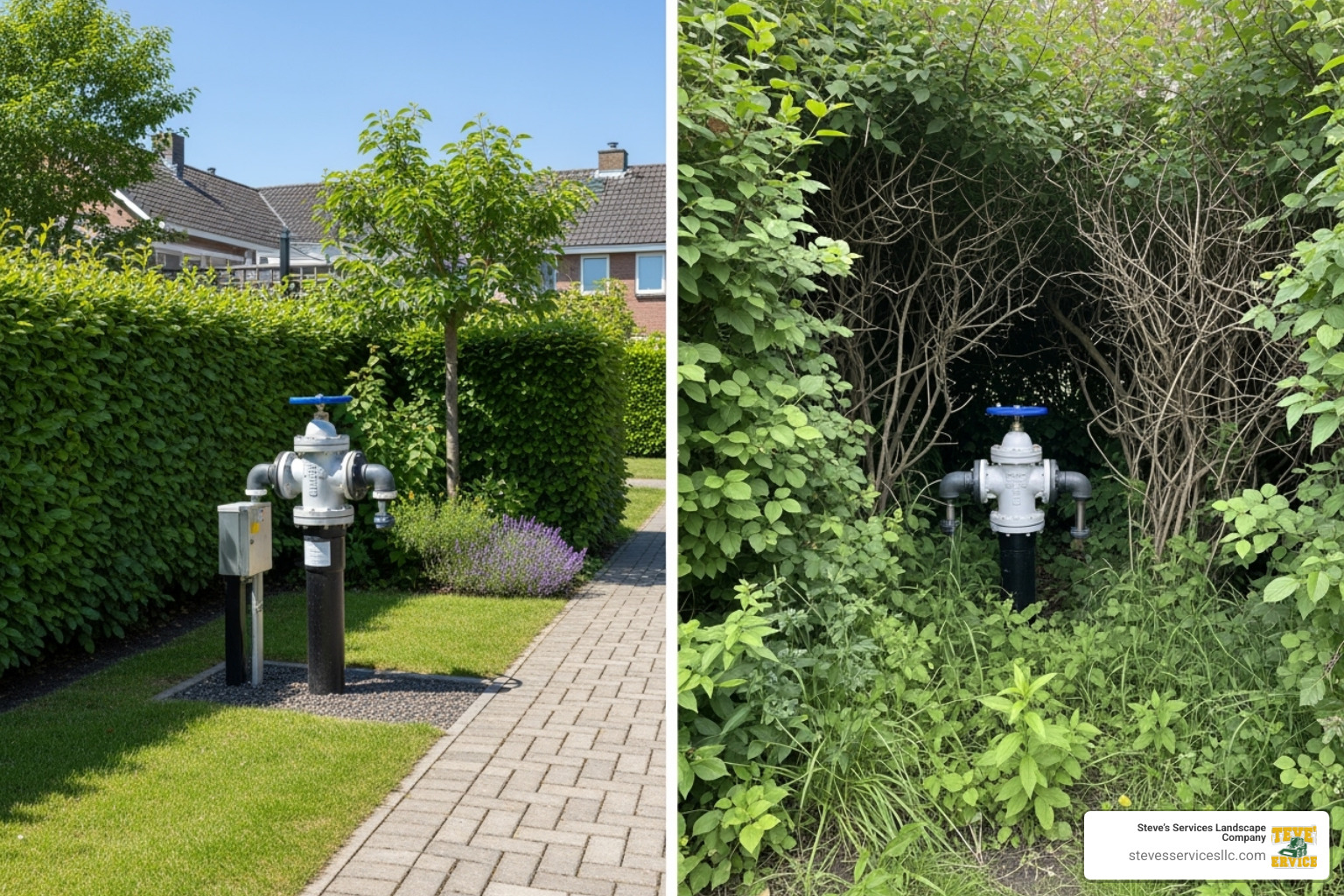
Above-ground installations are typically the most straightforward and cost-effective. When your backflow preventer is easily accessible, our technicians can work efficiently, keeping labor costs down. Below-ground units, on the other hand, require excavation, which adds time and complexity to the job. There’s also the potential for finding damaged pipes or other issues once we start digging.
Pipe modifications can add significant cost to your project. If your new backflow preventer is a different size or type than the old one, or if the existing piping is corroded or incorrectly configured, we may need to cut, solder, or reroute pipes. This additional work can add hours to the job and require extra materials.
Retrofitting older sprinkler systems can be particularly challenging. Sometimes we’re installing a backflow preventer for the first time or upgrading an existing system to meet current code requirements. This type of work is more complex than a simple like-for-like replacement and requires more time and expertise.
The condition of your existing pipes can also impact costs. If we find that pipes connected to the backflow preventer are old, brittle, or damaged, they may need repair or replacement during the process. This can add $100 to $400 for sprinkler system repairs, or $400 to $1,500 for more extensive water line repairs.
Sometimes unexpected issues pop up during replacement. Hidden leaks, damaged valves, or electrical problems with the sprinkler controller can emerge once we start working. While we always strive to provide accurate estimates upfront, these unforeseen challenges can affect the final cost. If you’ve dealt with winter damage before, you know how quickly these issues can escalate. Learn more about the cost to repair a frozen sprinkler system to understand related challenges.
Hidden Costs: Permits, Testing, and Add-Ons
Beyond the device and labor costs, several additional expenses can contribute to your overall sprinkler backflow preventer replacement cost. While these might seem like “hidden” costs, they’re actually important components of a proper installation.
Permit fees are required in many Massachusetts communities to ensure the work complies with local building and plumbing codes. These fees typically cost around $50, though they can vary by location. Professional installers like our team usually handle the permit process for you, but it’s an important cost to factor in.
Annual testing requirements are an ongoing expense you’ll need to budget for. Once your backflow preventer is installed, it typically requires annual testing to ensure it’s functioning correctly. This testing usually costs between $30 and $300 per device, with some areas charging up to $350. It’s not just a good idea—it’s often required by law to maintain compliance and ensure water safety.
Post-installation certification is another step in the process. A certified backflow tester needs to inspect and certify your new device, confirming it’s installed correctly and operating as intended. This cost is usually included in the annual testing fee or charged as a separate service.
Freeze protection is especially important here in Massachusetts. A frozen backflow preventer can crack and become useless, requiring another costly replacement. Adding a thermostatic freeze relief valve costs about $100, while insulated pouches or custom enclosures provide crucial protection against our harsh winters. This investment can save you from expensive emergency repairs down the road.
Anti-theft protection might seem unnecessary, but outdoor backflow preventers made of valuable brass or bronze can be targets for theft. Installing an anti-theft device or cage adds between $200 and $300 to the cost, but it provides peace of mind and protects against the headache of replacement after theft.
We always recommend discussing all potential costs upfront, including these additional fees and protective measures, to avoid any surprises when you receive your final bill.
Recognizing the Signs of a Failing Backflow Preventer
Your backflow preventer is like a quiet guardian, constantly working to keep your home’s fresh water supply safe from contaminants. But even the best guardians need a little attention now and then! While these devices are built tough, they’re not indestructible. Over time, parts can wear down, seals can get tired, and a frosty winter night can cause real trouble. Knowing the warning signs of a failing backflow preventer is super important. It can save you from big headaches, potential water contamination, and even more expensive repairs down the road.
When to Call a Professional for Your Sprinkler Backflow Preventer Replacement Cost
When it comes to your water supply, putting off a problem with your backflow preventer isn’t just inconvenient – it can actually be dangerous. If you spot any of the following “red flags,” it’s definitely time to pick up the phone and get a professional opinion on your sprinkler backflow preventer replacement cost.
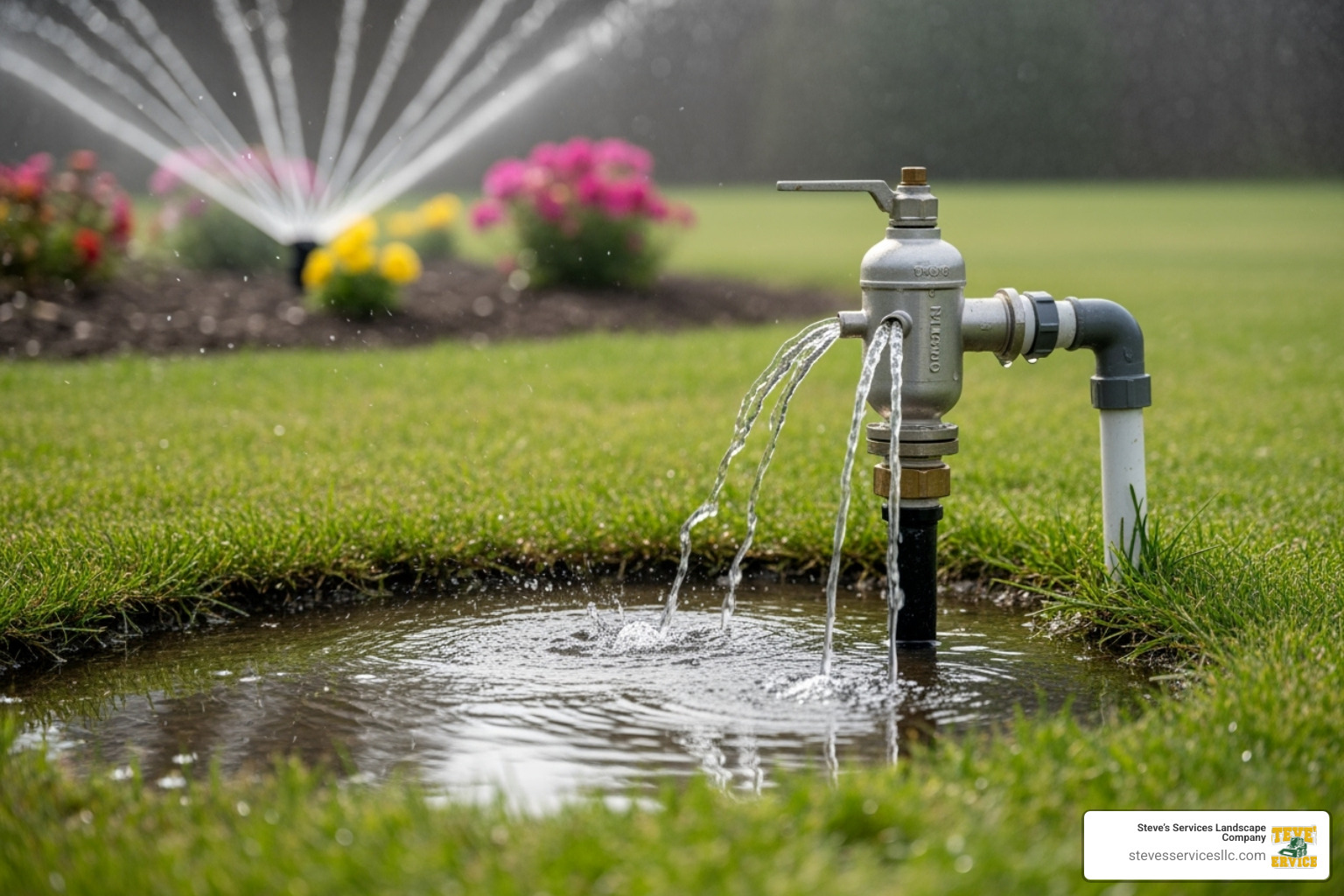
First, keep an eye out for anything obvious. Are you seeing visible leaks or drips around the device? Maybe there’s water constantly pooling around it, especially if it’s coming from the relief valve. While a little occasional discharge from an RPZ valve can be normal, constant water discharge is a big signal that something inside isn’t quite right. Your backflow preventer shouldn’t be acting like a leaky faucet!
Next, pay attention to the water itself. If the water from your outdoor spigots, or even inside your home, suddenly looks discolored (think rusty or murky), that’s a serious warning. This could mean dirty water is flowing backward into your clean supply because the backflow preventer has failed. Similarly, if you notice foul smells from your faucets, especially a sewage-like odor, that’s an immediate cause for concern. These signs point directly to potential contamination, and that’s something you never want to ignore.
Beyond the visible and sensory clues, consider your system’s performance. Have you noticed a significant drop in water pressure in your sprinkler system, or even throughout your home? A failing backflow preventer could be blocking the flow, leading to lower pressure. You might also find that your sprinkler valves aren’t working correctly, with some zones not getting enough water or valves struggling to open or close. These issues can often be traced back to a problem with your backflow preventer affecting the whole system.
Finally, and perhaps most definitively, if your backflow preventer fails an annual inspection, then it absolutely needs attention. These annual tests by certified professionals are designed to ensure your device is doing its job. If it fails, it means it’s no longer providing the protection required by law and for your safety.
If any of these signs sound familiar, it’s really important to call a trusted plumber or certified irrigation specialist right away. Don’t take chances with your water! Our team is ready to help diagnose the issue and get your system back to protecting your water supply. For more general advice on keeping your sprinklers running smoothly, check out our guide on irrigation system troubleshooting tips.
Frequently Asked Questions about Sprinkler Backflow Preventer Replacement
We understand you likely have more questions about this essential component of your sprinkler system. It’s natural to wonder about its long-term care and what to expect. Here, we address some of the most common inquiries regarding sprinkler backflow preventer replacement cost and related topics. We want to make sure you feel confident and informed about protecting your home’s water.
How often does a sprinkler backflow preventer need to be replaced?
The lifespan of a sprinkler backflow preventer can vary quite a bit, but these devices are generally built tough and designed to last. You can often expect them to serve your home well for 10 to 20 years. That’s a good stretch of time! However, there are several key factors that might mean you need a replacement sooner than that.
One of the most common reasons we see for an earlier replacement is a failed annual test. As we’ve mentioned, these yearly checks are often mandatory. If your device keeps failing these tests, even after attempts at repair, then replacing it is usually the smartest and safest next step. Another big culprit, especially in colder climates like Massachusetts, is freeze damage. If your backflow preventer isn’t properly winterized or protected, the water inside can freeze and expand, leading to cracks in the housing or damaged internal parts. This often means a full replacement is needed, and it’s a common issue we see in areas like Burlington, Danvers, Everett, Lynnfield, Medford, Melrose, North Reading, Reading, Revere, Saugus, Stoneham, Winchester, Woburn, Malden, and Wakefield.
Beyond the cold, normal wear and tear can also play a role. Over time, even durable materials like brass and bronze can experience material degradation or corrosion, especially if you have hard water. If you spot visible corrosion or rust, it’s definitely a red flag. Sometimes, local plumbing codes can change. What was perfectly fine when your system was installed 15 years ago might not meet today’s standards, requiring an upgrade to a newer, compliant model. Finally, if your backflow preventer seems to need repeated, costly repairs, it often makes more sense in the long run to invest in a brand-new unit rather than constantly fixing an old one.
We always recommend scheduling regular professional inspections and making sure those annual tests are done. This helps maximize the life of your backflow preventer and allows us to catch any potential issues before they turn into bigger, more expensive problems down the road.
What is the difference between backflow preventer repair and replacement?
This is a really excellent question, and it’s one we get all the time! The choice between repairing your backflow preventer and replacing it usually comes down to what’s actually wrong and how serious the problem is.
Think of it this way: many backflow preventers are designed so that their internal parts can be fixed or replaced. If the issue is something relatively minor, like a worn-out seal, a faulty spring, a damaged O-ring, or even a small clog, our professional technicians can often simply take the unit apart, swap out the specific worn parts, and then put it all back together. This kind of repair is typically less expensive than a full replacement because you’re only paying for the labor and a repair kit, not a whole new device. It’s a bit like replacing a flat tire instead of buying a whole new car.
However, a full unit replacement becomes necessary when the main body of the backflow preventer is cracked (often a result of that pesky freezing we talked about!), severely corroded, or if the internal components are so badly damaged that a repair just isn’t practical or cost-effective. For example, if the device’s main casing is compromised, no amount of fiddling with internal parts will fix the core issue. It’s simply broken beyond repair. Plus, if your backflow preventer is very old or an outdated model, we might recommend replacing it with a new, compliant unit even if a repair is technically possible. This ensures it meets modern safety standards and gives you better peace of mind.
The best way to figure out what’s needed for your situation is to get a professional diagnosis. Our certified technicians can carefully assess the condition of your backflow preventer. Then, we’ll clearly explain your options and recommend the most appropriate and cost-effective solution for you, whether it’s a straightforward repair or a complete replacement that takes care of your sprinkler backflow preventer replacement cost for the long haul.
Is professional installation required for a backflow preventer?
This is a really important question, and the answer is almost always a resounding yes! In most areas, including many communities right here in Massachusetts, homeowners are simply not permitted to install their own backflow preventers. There are strict rules and regulations in place, and for good reason: these devices play a truly critical role in protecting our public drinking water supply. It’s not just about connecting a few pipes; it’s about ensuring the device works perfectly to prevent any contamination from entering your clean water.
Here’s why having a professional handle the installation is absolutely crucial:
First off, there are serious safety regulations and local plumbing codes to consider. Backflow preventers are seen as vital parts of a safe water system. Local towns and water authorities have very specific rules about the type of device required, how deep it needs to be buried (if applicable), its size, and the testing procedures. Professionals, like our team, are experts in these codes. We make sure your installation is fully compliant, saving you headaches down the road.
Secondly, after installation, a certified backflow tester is almost always required to inspect and certify the new device. This certification officially confirms that the unit is installed correctly and doing its job as intended. This step simply cannot be skipped, and a DIY installer cannot perform it. It’s a crucial checkpoint for water safety.
Most importantly, installing a backflow preventer is all about protecting public health. The main goal of this device is to keep contaminated water from flowing backward into your drinking water supply. If it’s installed improperly, the device might not work at all. This creates a serious health hazard for you, your family, and even your neighbors. The EPA itself offers lots of information on safe sprinkler practices, always highlighting the huge importance of proper backflow prevention. You can learn more directly from resources like the EPA’s guidance on safe sprinkler practices.
There’s also the issue of liability. If an incorrectly installed backflow preventer leads to contamination of the public water supply or your neighbor’s water, you could face significant legal and financial problems. It’s a risk simply not worth taking. Finally, professional installation ensures the device operates correctly from day one, helping to maximize its lifespan and often keeping the manufacturer’s warranty valid. Incorrect installation can actually void those warranties and lead to the device failing much sooner than it should.
While you might be able to handle small, simple devices like those for a garden hose on your own, anything connected to your main water line or your sprinkler system absolutely requires a licensed and certified professional. It’s not just an expense; it’s a smart investment in safety, compliance, and your peace of mind.
Ensure Your Sprinkler System is Safe and Compliant
Phew! We’ve covered a lot about the sprinkler backflow preventer replacement cost, haven’t we? But beyond the numbers and the nitty-gritty details, remember what this is all about: keeping your water safe. Your backflow preventer might be a bit of a hidden hero, tucked away and out of sight, but it’s working hard every day to protect your family’s health and ensure your community’s drinking water stays pristine.
It’s true that the cost can vary quite a bit, depending on the type of device, its size, how tricky the job is, and those important extras like permits or winter protection. However, thinking of it as an investment really helps. Choosing professional installation and keeping up with regular maintenance isn’t just about following rules; it’s about peace of mind. It prevents those nasty surprises down the road, keeping you compliant with local regulations and saving you from much bigger, costlier headaches later on.
For our wonderful homeowners right here in the Everett, MA area, and our neighbors in Burlington, Danvers, Lynnfield, Medford, Melrose, North Reading, Reading, Revere, Saugus, Stoneham, Winchester, Woburn, Malden, and Wakefield, Steve’s Services Landscape Company is here to help. Our team isn’t just skilled; we truly understand the local regulations and are passionate about providing personalized solutions and the kind of exceptional customer service you deserve.
So, let’s make sure your water supply is never compromised. Don’t hesitate to reach out! Contact us today for a professional assessment and to learn more about our irrigation system installation services! We’re ready to ensure your sprinkler system is not only beautiful and efficient but also perfectly safe and compliant for years to come.