Sprinkler System Repair Near Me: 7 Simple Steps Guide
Why Sprinkler System Repair Near Me Matters for Your Massachusetts Lawn
Sprinkler System Repair is essential when you notice signs of trouble like dry patches, high water bills, or puddles near sprinkler heads. A malfunctioning irrigation system wastes water, damages your landscape, and increases utility costs, but most issues can be diagnosed and fixed with professional help.
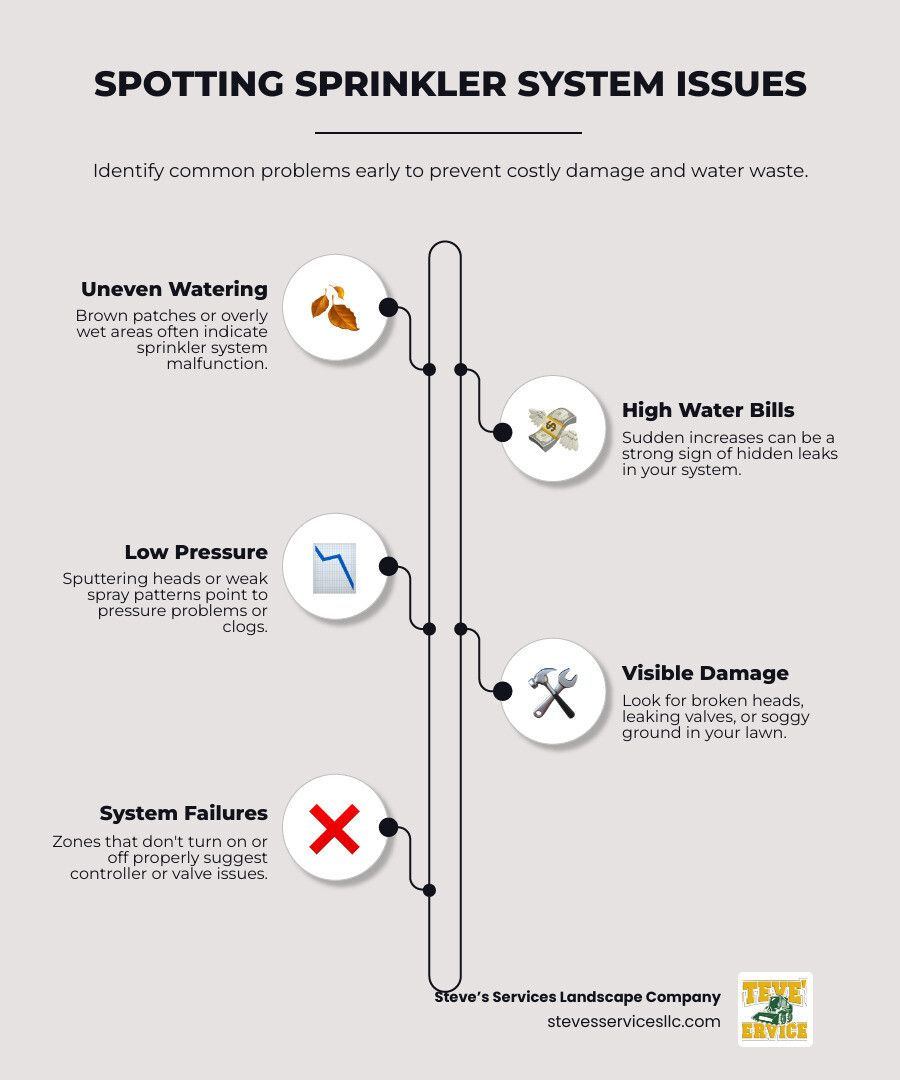
Common signs your system needs repair include:
- Uneven watering: Brown patches or overly wet areas.
- High water bills: Sudden increases often indicate hidden leaks.
- Low pressure: Sputtering heads or weak spray patterns.
- Visible damage: Broken heads, leaking valves, or soggy ground.
- System failures: Zones that won’t turn on or off properly.
Catching problems early prevents them from becoming expensive emergencies. A well-functioning sprinkler system promotes a healthy lawn while conserving water and protecting your property value. Professional technicians can diagnose issues that aren’t obvious to homeowners—like underground leaks, pressure problems, or controller malfunctions—and fix them correctly the first time. This guide will walk you through the diagnostic steps professionals use to identify and address common sprinkler problems.
Understanding Your Sprinkler System’s Anatomy
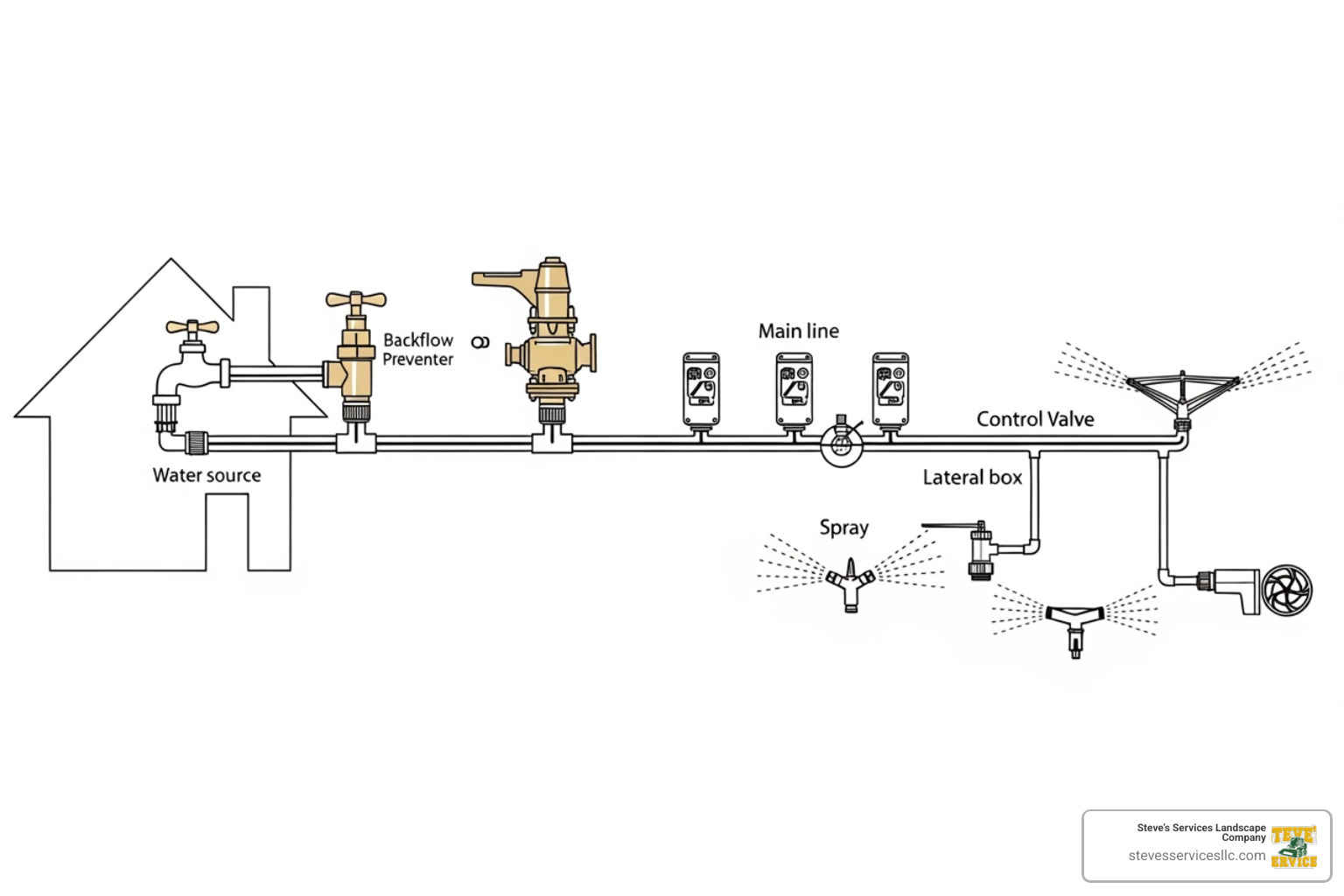
Before you can effectively troubleshoot problems, it helps to understand the components working together beneath your lawn. A residential irrigation system is a sophisticated network designed to deliver water precisely where and when it’s needed. Understanding these parts makes it easier to recognize when something is wrong and communicate with a Sprinkler System Repair professional. Our guide on How Do Irrigation Systems Work? offers more detail.
Key Sprinkler Components and Their Functions
- Controller (Timer): The brain of the system, usually in a garage or basement, where you program watering schedules. A malfunction here, even a dead backup battery, can shut down the entire system.
- Water Source & Backflow Preventer: Your system connects to your home’s main water supply. A crucial backflow preventer ensures that irrigation water never flows backward into your home’s drinking water.
- Zone Valves: These act as gatekeepers, controlling water flow to specific sections (zones) of your property. A stuck or worn-out valve can cause a zone to stay on or off.
- Pipes (Mainline and Lateral): The mainline carries water from the source to the valves, while lateral pipes branch out to the sprinkler heads. Since they are underground, leaks can be hard to spot.
- Sprinkler Heads: These deliver the water and come in various types, including rotary heads for large areas and stationary or pop-up heads for smaller spaces.
- Smart Sensors: These are the efficiency experts. Rain sensors prevent watering during a storm, while moisture sensors check soil saturation. Advanced sensors can even adjust watering based on daily weather conditions.
The 7-Step Diagnostic Guide to Sprinkler System Repair
Most sprinkler problems follow predictable patterns. This guide walks you through the diagnostic steps professionals use to identify and resolve common irrigation issues, helping you understand when to call for expert Sprinkler System Repair.
Step 1: Look for Telltale Signs of Trouble
Your lawn provides clear clues when something is wrong. Dry, brown patches suggest areas aren’t getting enough water, possibly due to a clogged head or low pressure. Conversely, puddles or swampy areas indicate too much water, likely from a broken pipe or a stuck valve. An unusually high water bill is a classic sign of a hidden leak. Other indicators include sputtering heads (low pressure), visible damage to components, or entire zones that won’t turn on or off. Our guide on Irrigation System Troubleshooting: Common Issues and Solutions for a Healthy Lawn offers more solutions.
Step 2: Have a Professional Inspect Individual Sprinkler Heads
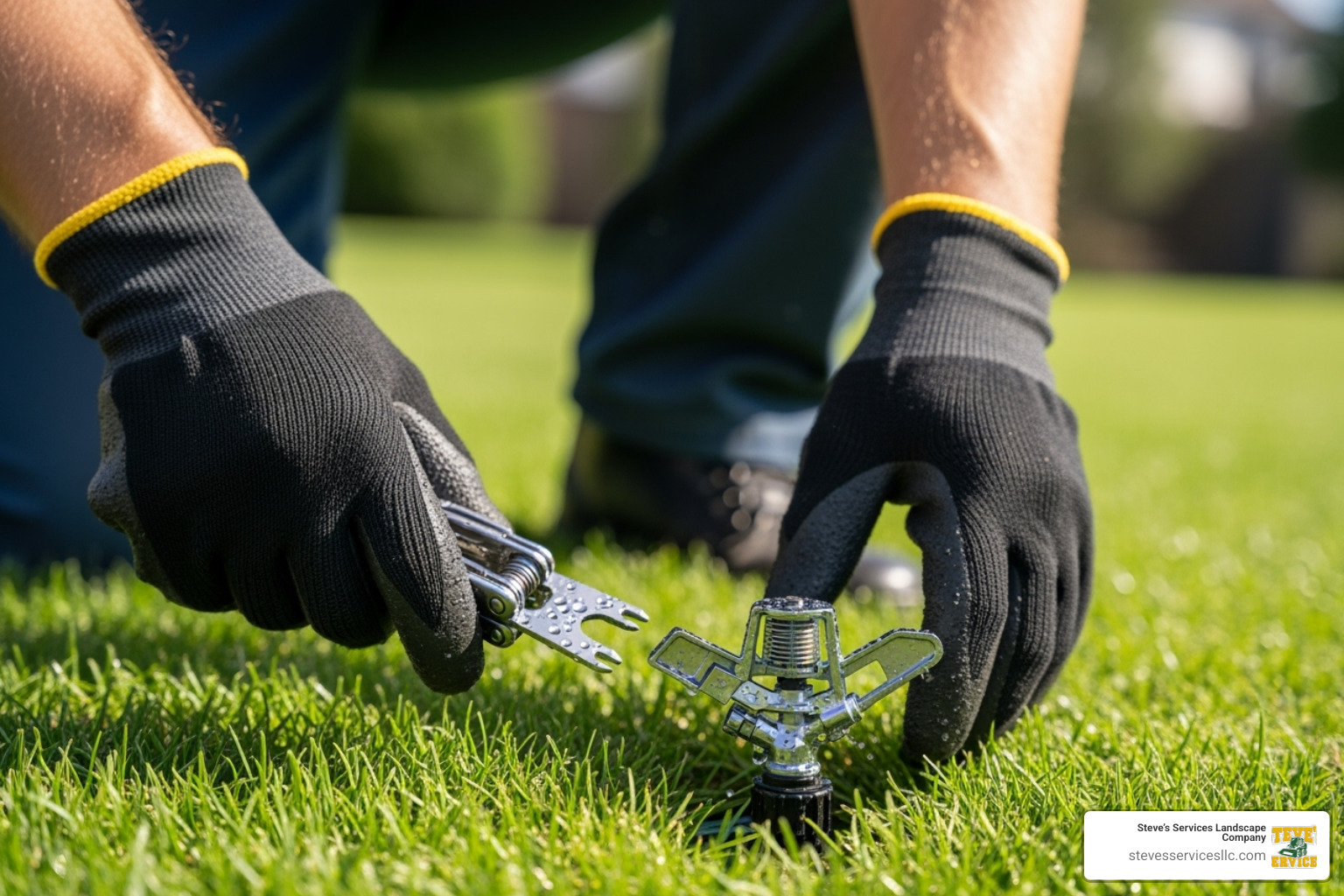
Sprinkler heads are often the first components to fail. A trained technician will inspect for clogged nozzles from dirt and debris, broken casings from lawnmowers or foot traffic, and heads that fail to pop up or retract due to internal wear. They also check for misaligned spray patterns that waste water on pavement or siding. A professional can quickly determine if a head needs cleaning, adjustment, or full replacement. For cost details, see our page on Sprinkler Head Replacement Cost.
Step 3: Have a Professional Check the System Controller
The controller is your system’s brain; if it malfunctions, nothing else works correctly. A professional inspection checks for power issues, such as a tripped breaker or a dead backup battery. They will correct the date and time, interpret any error messages, and check for electrical problems like a blown fuse or faulty wiring. Since controller issues can be complex, expert diagnosis is key. Learn more about potential costs on our Cost of Sprinkler System Control Box page.
Step 4: Have Each Zone Professionally Tested for Pressure Problems
Correct water pressure is vital for effective watering. A professional will test each zone to diagnose pressure issues. Low pressure in one zone often points to a localized leak, a partially open valve, or a clog. If there’s no water in a specific zone, it could be a completely failed valve or a major pipe break. If multiple heads aren’t working, the issue likely lies with the zone valve or a clogged filter in the line.
Step 5: Identify Leaks in the System with Professional Help
Leaks waste water, drive up bills, and damage your landscape, often while hidden underground. Professionals use specialized equipment to find them. Obvious signs include water bubbling from the ground or geysers from broken heads. More subtle clues are constantly wet spots in the lawn, water-filled valve boxes, or the sound of running water when the system is off. Early detection saves water and prevents costly damage. For more information, visit our Fix Lawn Sprinkler System page.
Step 6: Evaluate Coverage for Uneven Watering with a Technician
Uneven watering creates an unhealthy, patchy lawn. A professional evaluation can identify the cause. Common issues include gaps between spray patterns due to improper head spacing, water spraying onto pavement from misaligned heads, obstructions from overgrown plants, or using an incorrect nozzle type for a specific area. A technician can adjust, re-nozzle, or reposition heads to ensure uniform coverage.
Step 7: Know When It’s an Emergency and Call a Professional
Some problems demand immediate attention to prevent thousands of dollars in property damage. Call for emergency service if you experience uncontrollable water flow that you can’t stop, a major break in the mainline pipe, or significant flooding that threatens your home’s foundation. An inability to shut off the water supply is also an emergency. During Massachusetts winters, a Frozen Sprinkler Backflow Valve requires an immediate response to prevent burst pipes.
Why Choose Professional Sprinkler System Repair?
While a DIY fix for a sprinkler system is tempting, it can be complicated. What seems like a simple issue can quickly spiral into a bigger, more expensive problem without specialized knowledge. Homeowners can accidentally crack pipes, install incorrect parts, or misdiagnose an electrical fault, leading to wasted time, higher water bills, and more extensive damage.
Professional Sprinkler System Repair offers benefits that go far beyond a simple fix. Technicians understand the intricacies of irrigation hydraulics and electrical systems, allowing them to spot underlying issues an untrained eye would miss. A professional saves you time, prevents costly mistakes, and provides a lasting solution.
| Factor | DIY Repair | Professional Repair |
|---|---|---|
| Cost | Initial savings, but potential for costly mistakes or repeat repairs. | Higher upfront cost, but long-term savings from efficient, correct repairs. |
| Time | Can be time-consuming, especially for complex diagnostics and repairs. | Efficient diagnosis and repair, saving you valuable time. |
| Tools | Requires specialized tools you might not own. | Technicians arrive with all necessary professional-grade tools and parts. |
| Expertise | Limited knowledge, may miss underlying issues. | Deep understanding of system components, hydraulics, and electrical systems. |
| Warranty | No warranty on your work. | Reputable companies offer warranties on parts and labor. |
Professional service is also worthwhile for the warranty protection. Reputable companies stand behind their work, giving you peace of mind that the repair will last. At Steve’s Services, we specialize in Irrigation System Repair, combining technical expertise with the personalized service of a local business to deliver long-term solutions, not temporary band-aids.
What to Expect from a Professional Sprinkler Repair Service
When you contact Steve’s Services for Sprinkler System Repair, our team focuses on making the process smooth and stress-free. We start with an expert diagnosis, examining your entire system to identify the root cause of the problem, not just the symptom. Our technicians arrive with professional-grade tools and a wide inventory of quality parts, allowing us to complete most repairs in a single visit. We explain our work, treat your property with respect, and ensure you’re completely satisfied.
Common Sprinkler System Repair Solutions
Our comprehensive services cover all aspects of irrigation repair:
- Sprinkler head replacement: Fixing broken, clogged, or worn-out heads and adjusting them for proper coverage.
- Valve repair and replacement: Diagnosing and fixing faulty valves that cause zones to fail or run constantly.
- Underground pipe leak detection and repair: Using specialized equipment to locate and repair leaks with minimal disruption to your landscape.
- Controller troubleshooting and replacement: Resolving electrical issues, reprogramming schedules, or replacing faulty controllers.
- System tune-ups and adjustments: Performing wellness checkups to adjust pressure, clean filters, and optimize spray patterns.
- Backflow preventer testing and repair: Ensuring this critical safety device is functioning correctly to protect your drinking water.
If you’re searching for “Irrigation System Repairs Near Me“, we serve Everett, Burlington, Danvers, Lynnfield, Medford, Melrose, North Reading, Reading, Revere, Saugus, Stoneham, Winchester, Woburn, Malden, Wakefield, and surrounding communities.
Understanding the Cost of Sprinkler System Repair
Repair costs depend on the problem’s complexity, the parts needed, and the labor involved.
Important disclaimer: The following are average costs based on internet data and are not actual costs for Steve’s Services. We provide transparent, upfront estimates after a thorough diagnosis.
- Minor repairs ($65 – $200): Typically includes replacing a single sprinkler head or cleaning a clogged nozzle.
- Moderate repairs ($200 – $600): May involve replacing a valve or repairing a minor, accessible pipe leak.
- Major repairs ($600 – $2,000+): Addresses complex issues like a mainline pipe break, controller replacement, or extensive electrical work.
For a detailed breakdown, visit our page on How Much Does It Cost to Fix a Sprinkler System?.
Choosing a Reputable Repair Company
When selecting a company for your Sprinkler System Repair, look for these key qualities:
- Licensed and Insured: This protects you and your property.
- Positive Customer Reviews: Check ratings and read comments to gauge customer satisfaction.
- Years of Local Experience: A company familiar with local weather challenges, like our 25+ years in the area, provides more durable solutions.
- Strong Warranty: A warranty on parts and labor shows confidence in the work. Our 5-year warranty exceeds the industry standard.
- Clear, Upfront Estimates: You should know all costs before work begins.
Prevention is Better Than Cure: Maintaining Your System
Proactive care is always smarter and less expensive than emergency repairs. Regular maintenance extends your system’s life, improves water efficiency, and keeps your lawn looking its best all season long, preventing small issues from becoming major headaches.
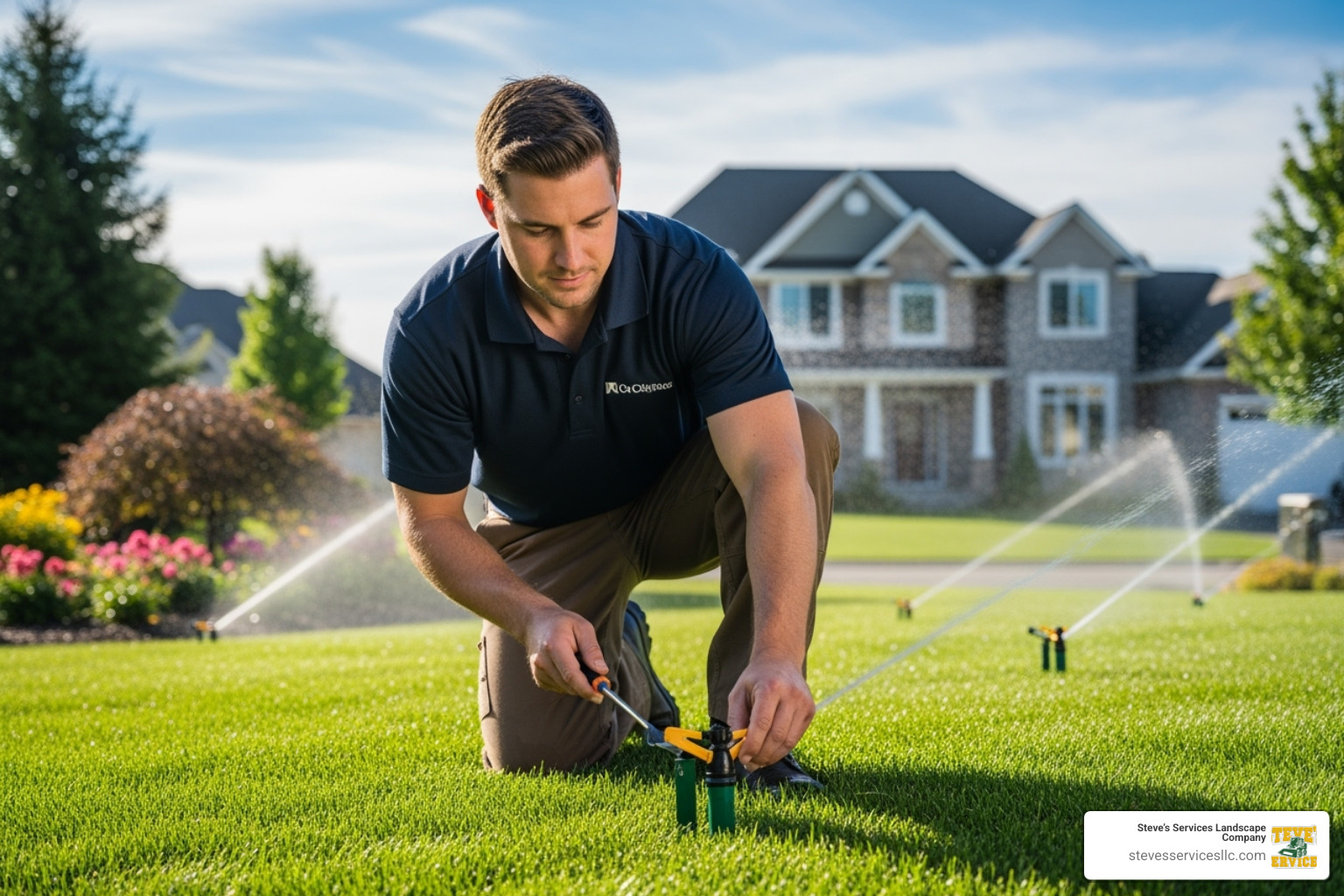
The Value of Regular Sprinkler System Maintenance
Seasonal maintenance is crucial for system health. Spring start-up involves carefully reactivating the water supply, checking for winter damage, and adjusting heads. Mid-season inspections help catch developing issues like clogs or misaligned heads. Winterization and blow-outs are non-negotiable in Massachusetts; this process removes all water from the pipes to prevent freezing, which can crack pipes and break components, leading to thousands in repairs. For more details, visit our Lawn Sprinkler System Maintenance page.
Repair vs. Replacement: When to Upgrade
At some point, constant repairs on an old system no longer make financial sense. Consider an upgrade if your system is over 15 years old, requires frequent repairs, or performs poorly with persistent dry spots. Modern technology offers significant advantages. Smart controllers and high-efficiency nozzles, like those certified by the EPA’s WaterSense program, can reduce water usage by 30% or more, offering long-term savings. These Irrigation System Upgrades often pay for themselves over time.
Benefits of a Well-Maintained System
A properly maintained system delivers numerous benefits:
- Improved Lawn Health: Consistent, even watering promotes deep root growth and disease resistance.
- Water Conservation: An efficient system delivers water precisely where it’s needed, eliminating waste.
- Lower Utility Bills: Reduced water waste directly translates to savings on your monthly bills.
- Increased Property Value: A lush lawn and a functional irrigation system are attractive features for potential buyers.
- Peace of Mind: An automated, reliable system saves you time and eliminates worry about your lawn’s health. Learn more at The Importance of Irrigation System Installation for a Healthy Lawn.
Frequently Asked Questions about Sprinkler Repair
Here are answers to some common questions homeowners have about sprinkler system care.
How often should my sprinkler system be inspected?
We recommend a professional inspection at least once a year, ideally during your spring start-up. This allows a technician to catch any damage from the winter and prepare your system for the season. In addition, homeowners should perform monthly visual checks during the watering season. Simply walk your property while the system is running to spot obvious issues like puddles, dry spots, or broken heads.
Can a single leaky sprinkler head really waste a lot of water?
Yes. It’s shocking how much water even a small leak wastes. A single head with a seemingly minor drip can waste thousands of gallons of water over a season, leading to a high water bill and landscape damage like fungus or drowned roots. A quick, inexpensive repair can prevent this significant waste.
Is winterizing my sprinkler system in Massachusetts necessary?
Absolutely. In our climate, winterization is essential to protect your investment. When water freezes, it expands with enough force to crack pipes, split fittings, and destroy valves, leading to extremely expensive repairs. Professional winterization (a “blow-out”) uses compressed air to clear all water from the system, preventing freeze damage. The cost of this service is a fraction of the repair bill for a burst system, such as a Frozen Sprinkler Backflow Valve. Think of it as insurance against a costly disaster.
Conclusion
Your sprinkler system is a vital investment in your property’s health and value. While this guide outlines the diagnostic steps, Sprinkler System Repair often requires professional expertise to identify the root cause of a problem, not just the symptom. A sputtering head could signal a zone-wide pressure issue, and a puddle could be a sign of a major underground leak.
A well-functioning system conserves water, lowers utility bills, and gives you a lush, healthy landscape. For homeowners in Everett, Burlington, Danvers, Lynnfield, Medford, Melrose, North Reading, Reading, Revere, Saugus, Stoneham, Winchester, Woburn, Malden, and Wakefield, Steve’s Services Landscape Company is here to help. We bring over 25 years of experience to every job, ensuring your system runs at peak performance.
Don’t let a malfunctioning system waste water and damage your lawn. Contact us today for professional sprinkler system repair services and enjoy the peace of mind that comes with expert care.
