Sprinkler Valve Diaphragm Replacement: Easy Fix 2025
Why Your Sprinkler System Depends on a Working Diaphragm
Sprinkler valve diaphragm replacement is a critical repair that fixes zones that won’t turn on or off, prevents water waste, and restores proper pressure to your irrigation system.
Quick Overview:
- What it is: The diaphragm is a rubber seal inside your sprinkler valve that controls water flow.
- When to get help: A zone won’t shut off or turn on, low pressure in one zone, or visible leaking around the valve.
- Why it matters: A faulty diaphragm can waste hundreds of gallons of water and damage your landscape.
- Professional solution: Technicians shut off water, remove the valve bonnet, replace the worn diaphragm, and test the system.
- Time to repair: Most repairs take 30-60 minutes per valve for a professional.
A malfunctioning valve can cause serious damage. When a diaphragm fails, you might see pools of water drowning your grass or dry patches where sprinklers won’t activate. The diaphragm acts as a gate inside the valve; over time, debris and normal wear cause this rubber component to crack or tear, preventing it from regulating water flow.
While some view this as a DIY task, irrigation systems involve water pressure and electrical components. An incorrect part or improper installation can lead to bigger problems.
I’m Steve Sylva, owner of Steve’s Services. With 25 years of experience in Massachusetts, my team and I handle these repairs daily, ensuring the job is done correctly the first time with the right parts.
What is a Sprinkler Valve Diaphragm and Why Does It Fail?
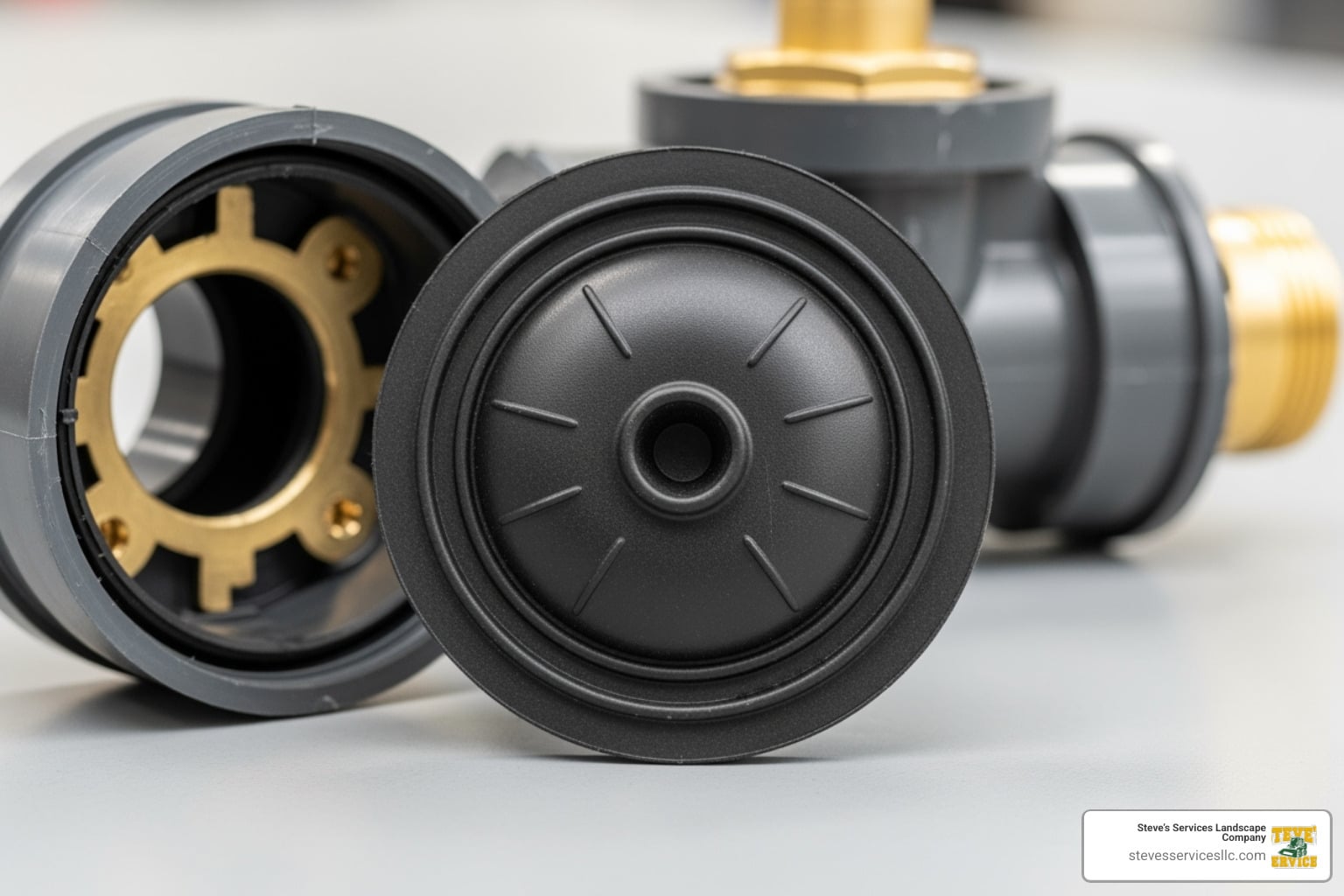
Think of your sprinkler valve as a gatekeeper. Inside sits a flexible rubber disc called the diaphragm, and it’s essential for your system’s operation.
The diaphragm function uses water pressure regulation to control flow. When your controller signals a zone to turn on, the valve’s solenoid alters the pressure balance, causing the diaphragm to lift and let water through. When the cycle ends, it seals back down, cutting off the flow. Without a working diaphragm, the valve can’t open or close properly.
Common causes of failure include:
- Debris: Tiny particles of sand, dirt, and minerals get trapped under the diaphragm, preventing a proper seal or even tearing the rubber.
- Age and Wear: Constant flexing from opening and closing, combined with exposure to water and temperature swings, causes the rubber to become stiff, brittle, and cracked over time. Most diaphragms eventually break down from natural aging.
- Water Quality and Pressure: Hard water leaves mineral scale that reduces flexibility. Sudden pressure spikes, known as water hammer, can also stress the diaphragm and shorten its lifespan.
The good news is that a sprinkler valve diaphragm replacement fixes these issues. Understanding what the diaphragm does makes it easier to spot the symptoms of failure.
If you’re curious about how all these pieces fit together in your yard, check out our detailed guide on How Do Irrigation Systems Work?.
Signs Your Sprinkler Valve Diaphragm Needs Professional Attention
Your irrigation system usually gives clear warning signs before a complete failure. Recognizing these signs as a valve problem can save you from a flooded lawn or a high water bill. After 25 years of servicing systems across Massachusetts, I’ve seen how clearly these issues announce themselves.
Here are the key symptoms to watch for:
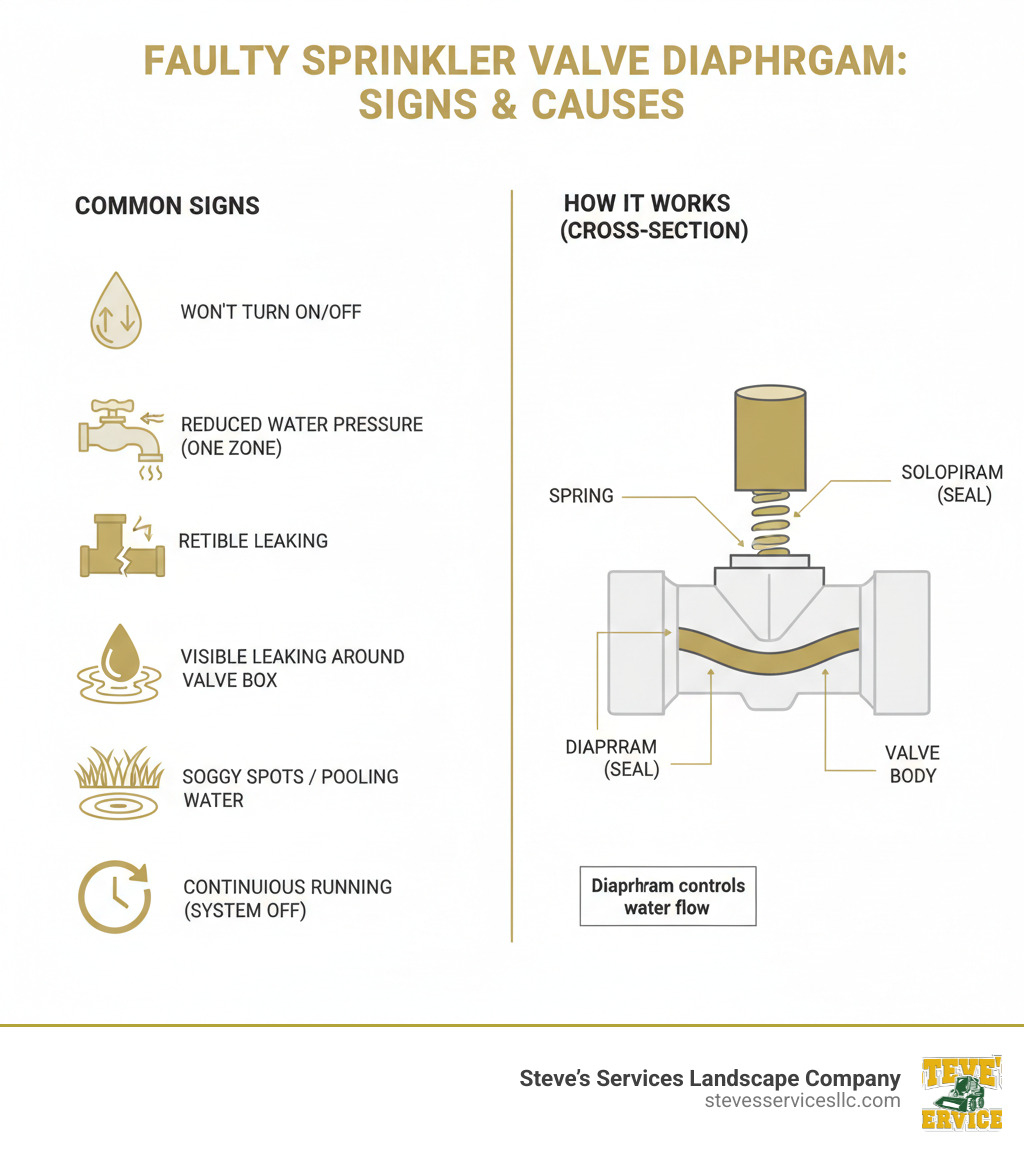
- A zone refuses to turn on: One section of your lawn stays dry because the diaphragm is stuck closed, often due to debris or stiffness. However, this can also be caused by faulty wiring, which is why our technicians always check the electrical components first.
- A zone that won’t shut off: This is an urgent issue. When sprinklers run continuously, a diaphragm stuck open is the usual culprit, wasting hundreds of gallons of water and drowning your grass.
- Low water pressure in just one zone: If one zone dribbles while others spray strongly, the diaphragm may be partially torn and unable to open fully.
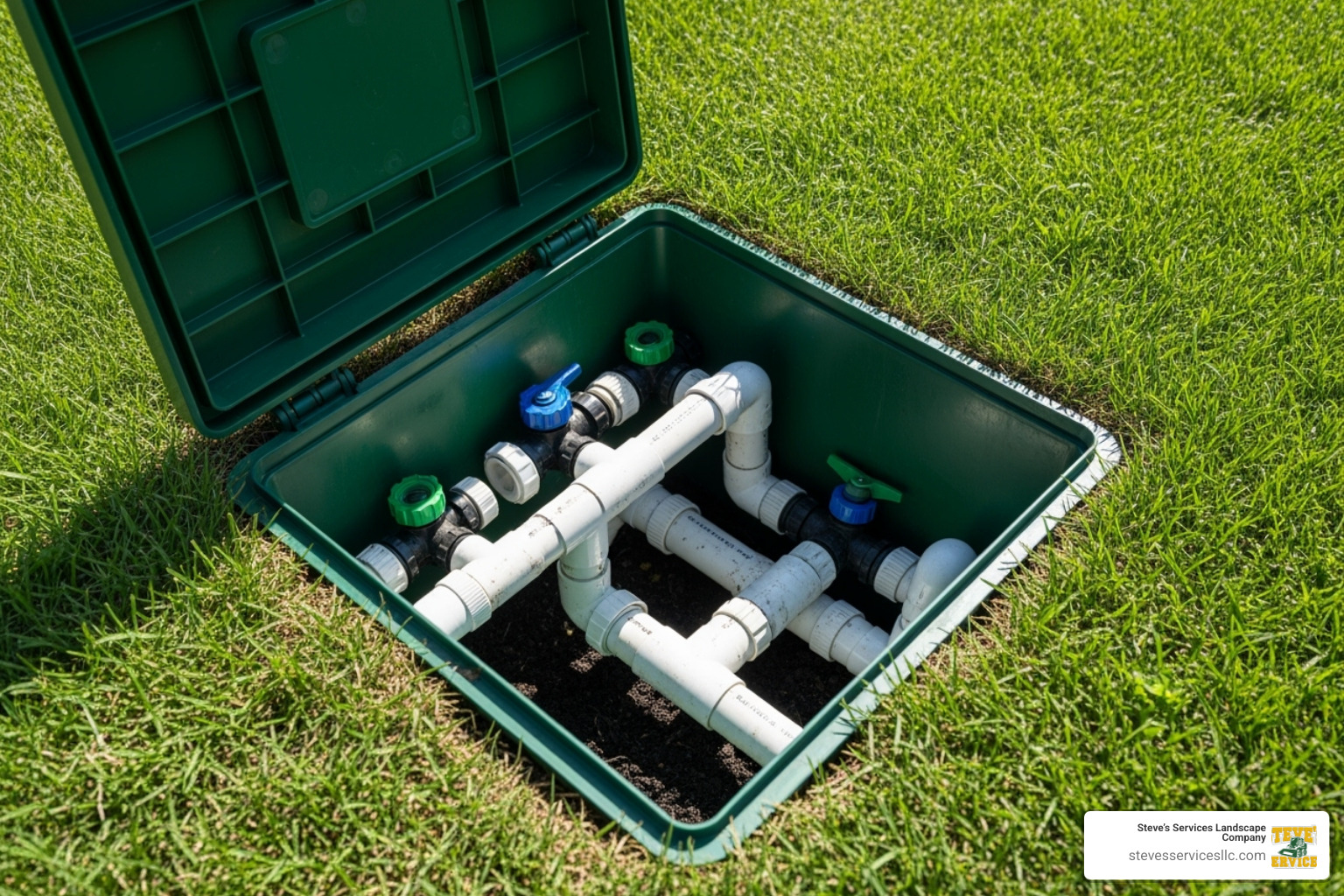
- Visible leaking around the valve box: Pooling water in or around the valve box is a dead giveaway that the diaphragm is no longer creating a proper seal.
- Uneven watering patterns: A failing diaphragm can cause inconsistent pressure, leading to erratic spray patterns and random wet or dry spots in a zone.
A malfunctioning valve can damage your landscape or equipment, so don’t wait to address these symptoms. Our technicians can diagnose the problem and determine if sprinkler valve diaphragm replacement is the right solution.
For a deeper look at these and other irrigation problems we encounter regularly, check out our comprehensive guide: Irrigation System Troubleshooting: Common Issues and Solutions for a Healthy Lawn.
The Professional Sprinkler Valve Diaphragm Replacement Process
At Steve’s Services, we follow a methodical approach to sprinkler valve diaphragm replacement. This repair requires the right knowledge and tools to ensure your system works perfectly afterward. Our technicians have refined this process over hundreds of repairs in communities across Massachusetts.
Safety First: Shutting Down the System
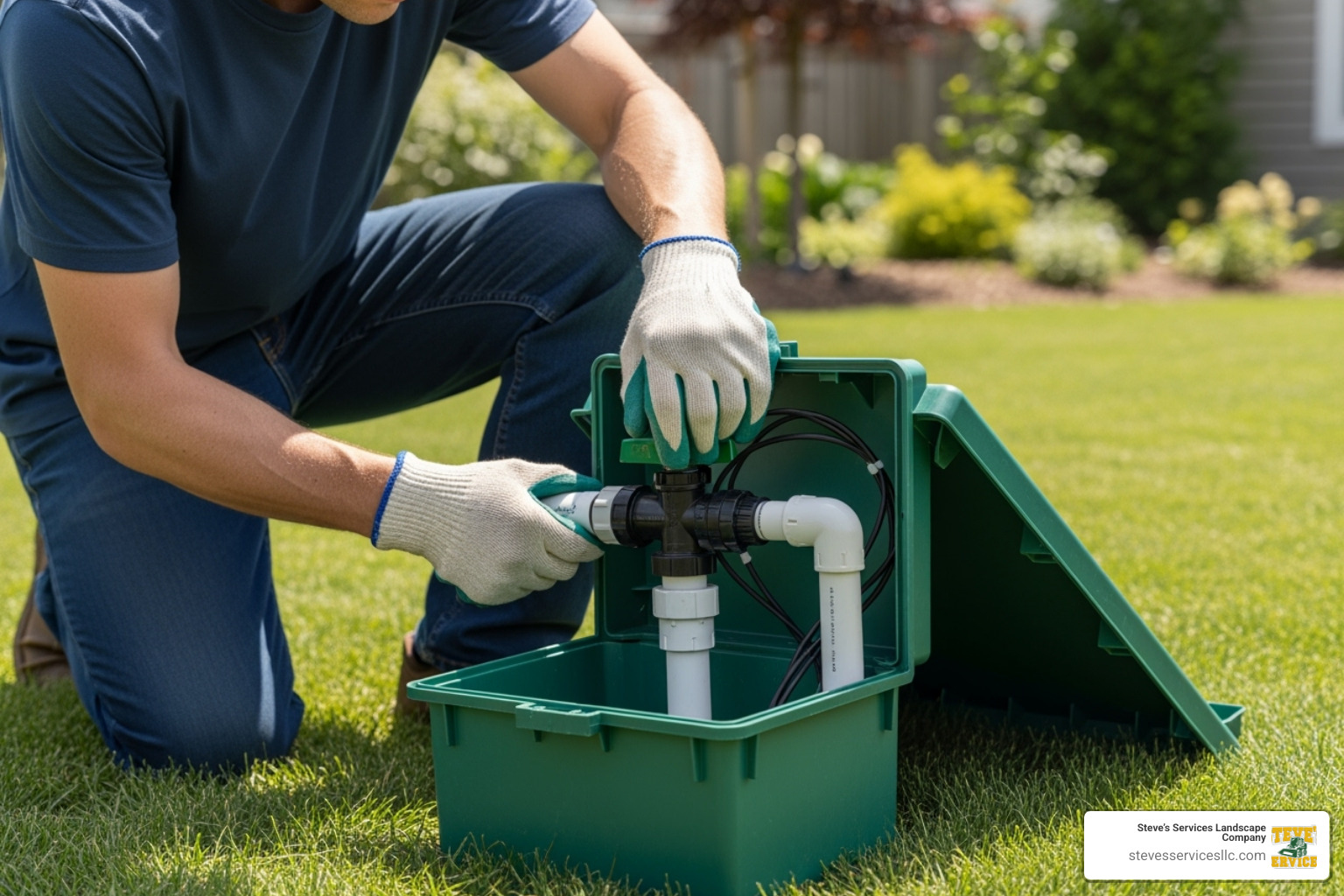
Before any repair, safety is our top priority. We first shut off the water supply to the irrigation system, usually at the main shut-off valve or backflow preventer. Next, we relieve any remaining system pressure by manually opening a valve to prevent water from spraying out. Finally, we ensure electrical safety by turning off power to the controller at the circuit breaker. These protocols prevent injury and water damage, separating professional service from amateur attempts. For more on managing your system’s water supply, see our guide on How to Turn On Irrigation System.
Step-by-Step: The Expert Approach to Sprinkler Valve Diaphragm Replacement
Once the system is safe, we begin the repair.
- Locate and Open the Valve: We find the correct valve box and carefully remove the valve’s bonnet (top cover) using the appropriate tools.
- Inspect and Remove: With the bonnet removed, we inspect all internal parts for cracks or debris. We then remove the old diaphragm, noting its condition to confirm the cause of failure.
- Clean the Valve Body: This is a critical step. We thoroughly clean the inside of the valve, especially the seat where the diaphragm seals. Any remaining debris will cause the new part to fail prematurely.
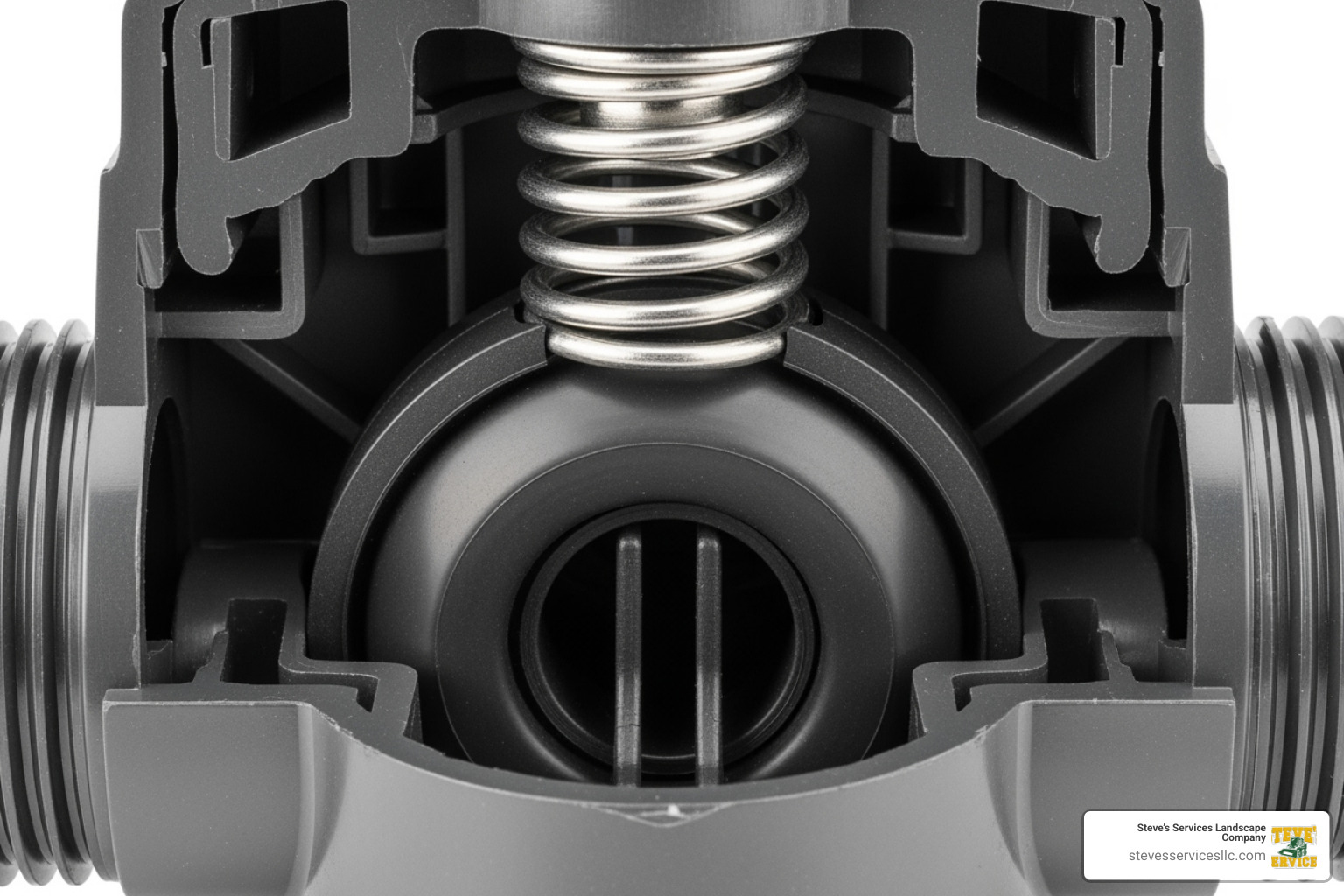
- Install and Reassemble: We install the new diaphragm, ensuring it is correctly oriented with any alignment notches. The bonnet is then replaced and tightened in a crisscross pattern to create an even seal without cracking the housing.
- Test the Zone: Finally, we restore water and power to test the valve both manually and with the controller. We check for proper function, restored pressure, and any signs of leaks.
This methodical process ensures the problem is solved correctly. For a visual guide, this video provides a great visual guide: How to replace the diaphragm on a Hunter valve.
Handling Different Valve Types and Brands
Not all valves are the same. Jar top valves twist open, while bolt-down valves require screws to be removed. Each brand, like Rain Bird, Hunter, or Irritrol, has specific designs and parts. Using the correct replacement diaphragm for your valve’s make and model is non-negotiable for a lasting repair. Our technicians have the expertise to identify and install the correct parts for the full range of valves found in Massachusetts irrigation systems. You can browse our versatile lineup of sprinkler valves we service.
Repair or Replace? Making the Right Call for Your System
When a valve fails, homeowners often ask: should we repair it or replace the whole unit? The right answer depends on the situation, and we always provide honest advice that makes sense for your system and budget.
When Diaphragm Replacement Makes Perfect Sense
In many cases, sprinkler valve diaphragm replacement is the smart, economical choice. If the valve body is in good condition, replacing only the worn diaphragm saves money, reduces waste, and is less disruptive to your landscape. You pay for the part and the expertise, not for unnecessary components or excavation.
When Full Valve Replacement Is the Better Option
Sometimes, replacing the entire valve is the wiser long-term investment. We recommend replacement if:
- The valve body is cracked or damaged, or the threads are stripped.
- The valve is an obsolete model and replacement parts are unavailable.
- A brand-new valve is cheaper than the individual repair kit. In this case, we can swap the entire top assembly, giving you all new internal components for less money.
The average cost for professional sprinkler valve diaphragm replacement typically ranges from $75 to $250 per valve, but complex jobs can cost $300 or more. For a broader look at repair costs, see our guide on How Much Does It Cost To Fix A Sprinkler System?. These are industry averages based on research, not specific quotes for Steve’s Services. Our recommendation is always based on long-term value and reliability.
Common Mistakes That Can Lead to Bigger Problems
While it may seem straightforward, small mistakes during a sprinkler valve diaphragm replacement can cause major issues. The most common errors include using the wrong diaphragm model, improper installation, and over-tightening screws, which can crack the valve body. Forgetting the spring or allowing debris to fall into the open valve will also lead to immediate failure. These risks are why professional service is so valuable; our experience prevents these costly mistakes. When you need to Fix Lawn Sprinkler System issues, expertise saves time, money, and frustration.
Sourcing the Correct Parts: A Key Professional Step
Getting the right part is crucial. Each manufacturer—Rain Bird, Hunter, Irritrol, Toro—designs their diaphragms differently, and even models from the same brand are not interchangeable. Our technicians start by carefully identifying your valve’s make, model, and size. We then cross-reference this information to source the exact diaphragm repair kit, which often includes a new spring and filter. This detective work eliminates guesswork and guarantees your repair is done right the first time with parts designed for your system.
Frequently Asked Questions about Sprinkler Valve Diaphragm Replacement
Homeowners often have questions when their irrigation system acts up. Here are our answers to the most common queries about sprinkler valve diaphragm replacement.
How often should sprinkler valve diaphragms be checked or replaced?
There’s no fixed schedule for sprinkler valve diaphragm replacement. Lifespan depends on factors like water quality and frequency of use, but most last five to ten years. Hard water with high mineral content can cause them to stiffen and fail sooner. We recommend including valve inspections in your annual system check-ups. This preventative approach, as detailed in our Lawn Sprinkler System Maintenance guide, helps catch issues early.
Can other issues mimic a bad diaphragm?
Yes, and this is why professional diagnosis is so important. Several other problems can present the same symptoms as a failing diaphragm:
- Faulty wiring or corroded connections can prevent the valve from getting a signal.
- A bad solenoid (the valve’s electronic activator) can fail, leaving the diaphragm unresponsive.
- Debris in the bleed port can prevent the valve from closing properly.
- Controller malfunctions can make it seem like valves have failed.
Our technicians systematically rule out these other possibilities to ensure you only pay for the repair you actually need.
What is the average cost for a professional sprinkler valve diaphragm replacement?
Based on general industry data and internet research, the average cost for a professional sprinkler valve diaphragm replacement typically falls between $75 and $250 per valve. However, prices can vary dramatically, and complex jobs could cost $750 or more per valve.
Please note: These figures are industry averages and are not specific pricing for Steve’s Services. We provide a detailed, customized quote after an inspection.
Factors that affect the final price include labor (how accessible the valve box is), the cost of the specific part, and whether additional issues like damaged wiring are finded during the repair. For a general overview of pricing factors, you can read our guide on How Much Does It Cost To Fix A Sprinkler System?.
Keep Your Lawn Healthy with Expert Sprinkler Repair
A well-functioning irrigation system is the foundation of a healthy, thriving lawn, keeping your grass green and your landscape looking its best. But even a small part like a sprinkler valve diaphragm plays an outsized role. When it fails, you can face overwatered, muddy zones or dry, brown patches, turning your system from a helpful tool into a source of frustration.
Sprinkler valve diaphragm replacement is one of the most common and critical repairs we perform. While it may seem simple, a lasting fix requires careful diagnosis, precise part identification, and professional experience to avoid common mistakes that lead to bigger headaches.
Our team at Steve’s Services brings 25 years of irrigation expertise to every service call. We understand how local conditions affect your system and carry the right tools and parts to complete repairs efficiently. When you call us, you get a comprehensive assessment to find the true source of the problem, ensuring the right solution the first time.
Don’t let a malfunctioning valve compromise your landscape or waste water. If you’ve noticed zones that won’t turn on or off, low pressure, or pooling water, it’s time to bring in the professionals. We’re here to provide the expert Sprinkler System Repair services that keep your system running smoothly.
Contact Steve’s Services today for a thorough inspection and a lasting solution that protects your investment.