
Lawn Feed Fertilizer: 10 Powerful Benefits in 2025
Why Every Massachusetts Homeowner Needs to Know the Basics
Lawn feed fertilizer is a nutrient blend designed to promote healthy grass growth by providing essential elements like nitrogen, phosphorus, and potassium that your lawn needs to thrive. Here’s what you need to know:
Key Lawn Feed Fertilizer Basics:
– N-P-K numbers show nitrogen-phosphorus-potassium ratios (like 32-0-4 or 28-0-3)
– Granular types last 6-12 weeks, while liquid forms work faster but need more frequent application
– Organic options (like Milorganite 6-4-0) are safer for kids and pets
– Typical costs range from $7 to $145+ depending on coverage and type
– Best timing is during active growing seasons when soil temps hit 55°F+
Your lawn is constantly using up nutrients from the soil. Without regular feeding, grass becomes thin, yellow, and weak – making it vulnerable to weeds, disease, and drought stress. The right lawn feed fertilizer acts like vitamins for your turf, strengthening roots and improving the lawn’s ability to absorb water.
Most homeowners in Massachusetts deal with cool-season grasses like fescue and bluegrass that have specific feeding needs. Sandy soils common in our area also tend to lose nutrients faster, making proper fertilization even more critical.
I’m Steve Sylva, and over my 25+ years running Steve’s Services Landscape Company, I’ve seen how the right lawn feed fertilizer program can transform struggling lawns into the thick, green spaces our Massachusetts clients love.
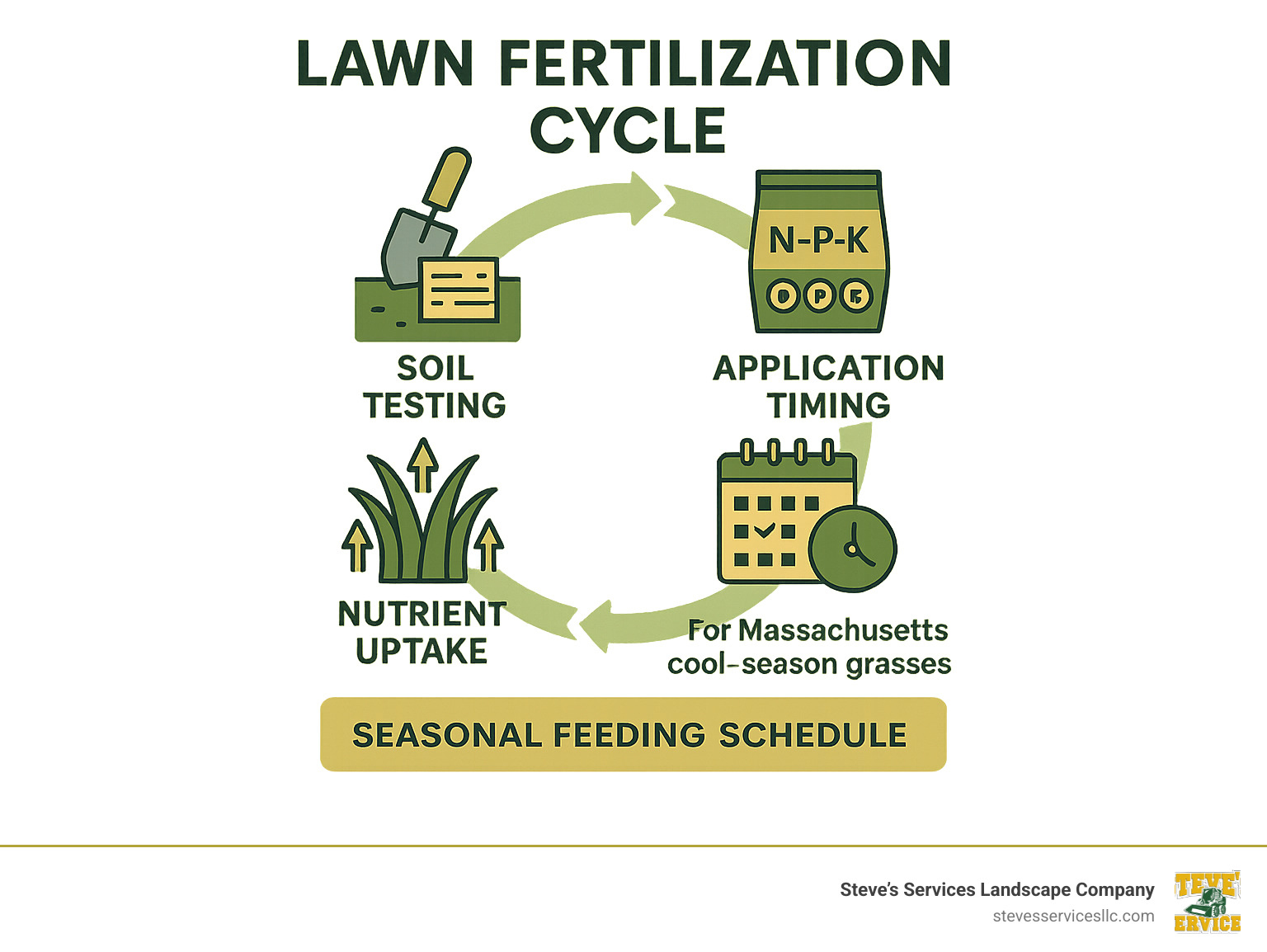
Lawn Feed Fertilizer 101 — How It Works & Why It Matters
Picture your lawn as a living, breathing community. Every blade of grass is working hard to grow thick and green, but it can’t do this without proper nutrition. That’s where lawn feed fertilizer comes in – it’s essentially a carefully balanced meal that keeps your grass healthy and strong.
Here’s what happens when you spread fertilizer on your lawn: those nutrients don’t just sit on top waiting around. They actually become part of a fascinating underground process. Soil microbes, earthworms, and beneficial bacteria immediately get to work breaking down the fertilizer into forms your grass roots can easily absorb.
Understanding N-P-K: The Big Three Nutrients
Every bag of lawn feed fertilizer has those mysterious numbers printed on the front – something like 32-0-4 or 28-0-3. These aren’t random codes; they tell you exactly what nutrients you’re getting:
Nitrogen (N) is the green machine. It’s what gives your grass that deep, rich color and promotes thick, leafy growth.
Phosphorus (P) works underground, building strong root systems and helping new grass get established. Many Massachusetts communities actually restrict phosphorus in fertilizers to protect our waterways.
Potassium (K) is like a multivitamin for your grass. It strengthens the plant’s natural defenses against drought, disease, and our harsh New England winters.
Beyond these big three, quality fertilizers include micronutrients like iron for improved color and sulfur for overall plant health. More info about Fertilizer 16-4-8 shows how these balanced formulations work together.
Quick-Release vs. Slow-Release: Timing Makes All the Difference
Quick-release fertilizers are like giving your lawn a shot of espresso. You’ll see results within days but the effects wear off quickly, usually within 3-4 weeks.
Slow-release formulations work more like a time-release vitamin. They feed your grass gradually over 6-12 weeks, providing steady nutrition without dramatic ups and downs.
| Granular vs Liquid Fertilizer Comparison |
|---|
| Granular Fertilizer |
| – Lasts 6-12 weeks (slow-release types) |
| – Easy to store and apply |
| – Less frequent applications needed |
| Liquid Fertilizer |
| – Fast absorption through leaves and roots |
| – Visible results in 7 days |
| – Requires more frequent applications |
Main Types of Lawn Feed Fertilizer
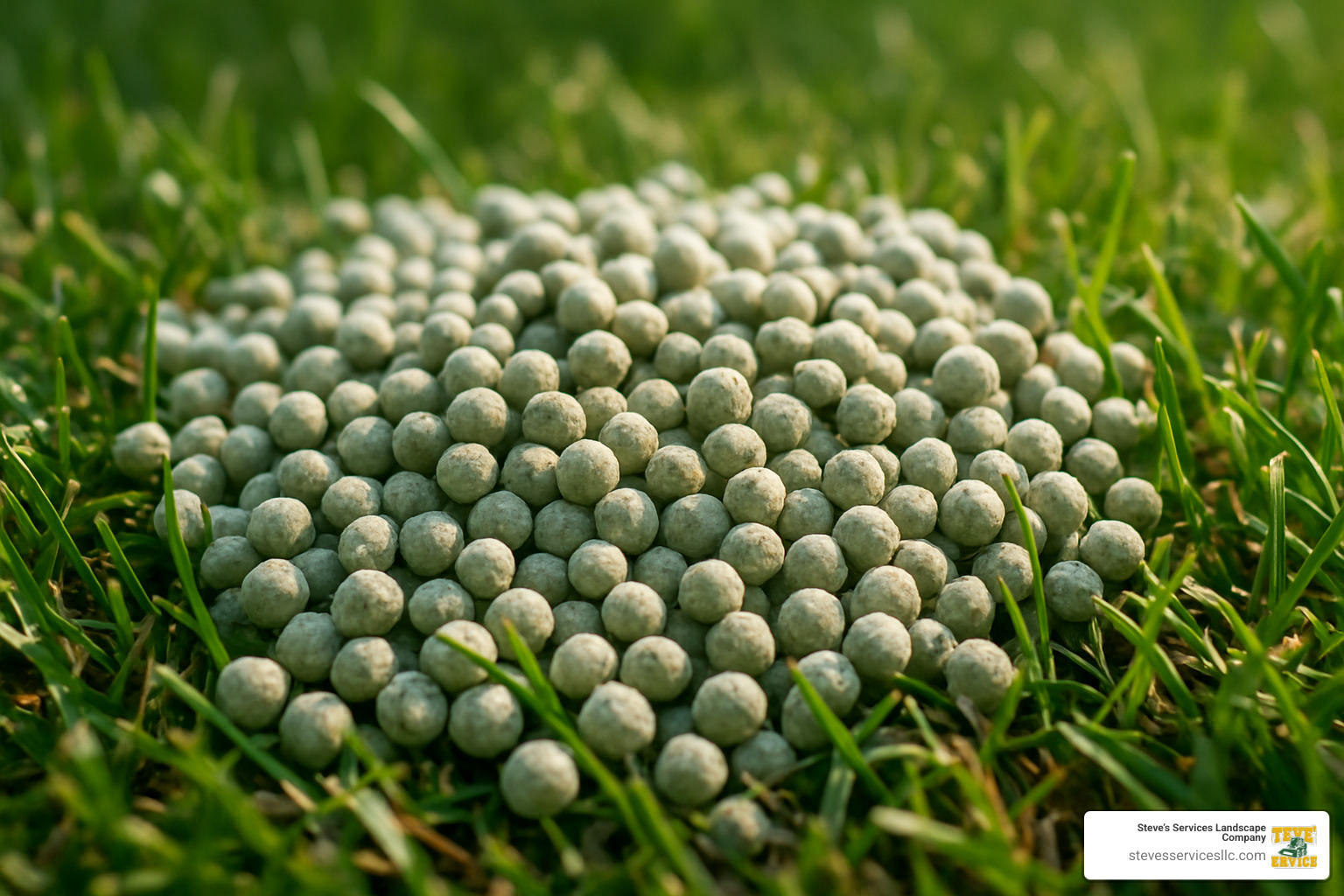
Granular fertilizers are the reliable workhorses of lawn care. These small pellets spread easily with a broadcast or drop spreader, then get watered in to start working. The slow-release granular types can feed your lawn for up to 12 weeks.
Liquid fertilizers are absorbed through both grass leaves and roots, showing visible results within a week. This makes them perfect when you need quick greening before a party or event.
Organic fertilizers work with nature rather than against it. Made from materials like composted chicken manure or blood meal, they release nutrients slowly as soil microbes break them down. This improves your soil structure over time.
Synthetic fertilizers give you precision and predictability. They provide exact nutrient ratios and consistent results, usually at a lower cost per square foot.
Selecting the Perfect Product for Your Lawn
Choosing the right lawn feed fertilizer starts with understanding what you’re working with. We always recommend soil testing before starting any fertilization program. A simple soil test reveals your lawn’s pH, existing nutrient levels, and organic matter content.
Different grass species have varying nutritional needs. Cool-season grasses like tall fescue and bluegrass (common in Massachusetts) need different feeding schedules than warm-season varieties. Climate also plays a role – our short growing season means we need to maximize nutrition during peak growth periods.
Budget considerations matter too. Basic granular fertilizers start around $7 for small coverage areas, while premium organic or specialty formulations can cost $145 or more for large properties. These are average internet prices – actual costs vary significantly based on coverage area and specific product features.
When choosing between organic and synthetic options, consider your priorities. Organic fertilizers like OMRI-listed products are safer around children and pets, improve soil biology, and reduce environmental impact. Synthetic fertilizers provide faster results and more precise nutrient control.
Specialty products serve specific purposes:
– Weed & Feed combines fertilizer with herbicide for dual action
– Starter fertilizer has higher phosphorus for new seed establishment
– All-purpose fertilizer provides balanced nutrition for established lawns
Tailoring Lawn Feed Fertilizer to Cool- vs Warm-Season Turf
Massachusetts homeowners primarily deal with cool-season grasses that have distinct feeding requirements. Tall fescue, fine fescue, and Kentucky bluegrass thrive in our climate but need different nutritional approaches.
Cool-season grasses like those common in Reading, Stoneham, and Woburn grow most actively when temperatures range from 60-75°F. They need heavy feeding in early spring (March-April) and fall (September-October) when they’re actively growing.
Warm-season grasses like Bermuda and zoysia (less common here) have opposite needs. They grow best in summer heat and should be fed heavily from late spring through early fall.
For our local conditions, we typically recommend:
– Early spring: High-nitrogen fertilizer (28-0-3 or similar) when soil temperatures reach 55°F consistently
– Late spring: Balanced fertilizer if needed, lighter application
– Summer: Skip feeding during hot, dry periods or use organic slow-release only
– Fall: Heavy feeding with balanced fertilizer to prepare for winter
More info about Caring for New Sod explains how newly installed turf has different nutritional needs during establishment.
Kid- & Pet-Safe, Organic, and Eco-Friendly Options

Safety concerns are valid when choosing lawn feed fertilizer, especially for families with children and pets. Organic options provide peace of mind without sacrificing lawn quality.
OMRI-listed fertilizers meet strict organic standards and are safe for use around kids and pets when applied according to directions. Products like Milorganite organic slow-release fertilizer (6-4-0) have earned excellent reviews because they work effectively while remaining safe.
Natural ingredients in organic fertilizers include:
– Composted chicken manure for slow-release nitrogen
– Blood and bone meal for phosphorus and trace minerals
– Fish emulsion for quick-release nutrients
– Kelp meal for micronutrients and growth hormones
These materials improve soil biology by feeding beneficial microorganisms that create healthier growing conditions. The result is stronger grass that naturally resists pests and diseases.
Eco-friendly fertilizers also reduce environmental impact. Slow-release organic formulations minimize nutrient runoff that can pollute waterways, as explained by the EPA’s guidance on nutrient pollution. Many organic products contain zeolite or other soil conditioners that help retain nutrients and reduce leaching.
When & How to Apply for Season-Long Success
Getting your lawn feed fertilizer timing right makes the difference between a mediocre lawn and one that makes your neighbors jealous. After 25+ years of fertilizing lawns across Massachusetts, I’ve learned that working with your grass’s natural rhythm is the secret to success.
Your cool-season grass has its own internal clock. It wakes up hungry in spring when soil temperatures hit 55°F consistently – usually mid-to-late March here in Massachusetts. This is when that first lawn feed fertilizer application works like magic.
Spring feeding (March-May) should use a high-nitrogen fertilizer like 28-0-3 or 32-0-4. Your grass is coming out of winter dormancy and craves nitrogen to produce new growth and that deep green color.
Summer (July-August) is when many homeowners make mistakes. Our Massachusetts heat stresses cool-season grasses, causing them to slow growth and conserve energy. Heavy fertilizing during hot, dry periods can actually harm your lawn.
Fall (September-October) is absolutely critical – often more important than spring feeding. As temperatures moderate, your grass resumes active growth and needs fuel to prepare for winter.
Application frequency depends entirely on your fertilizer choice. Quick-release products need reapplication every 3-4 weeks during active growing periods. Slow-release formulations can feed your lawn for 6-12 weeks.
Always water your fertilizer in within 24-48 hours of application. This activates granules and moves nutrients down to the root zone where grass can actually use them.
More info about Fertilizing covers the professional techniques we use to get consistent results.
The Ultimate Lawn Feed Fertilizer Schedule
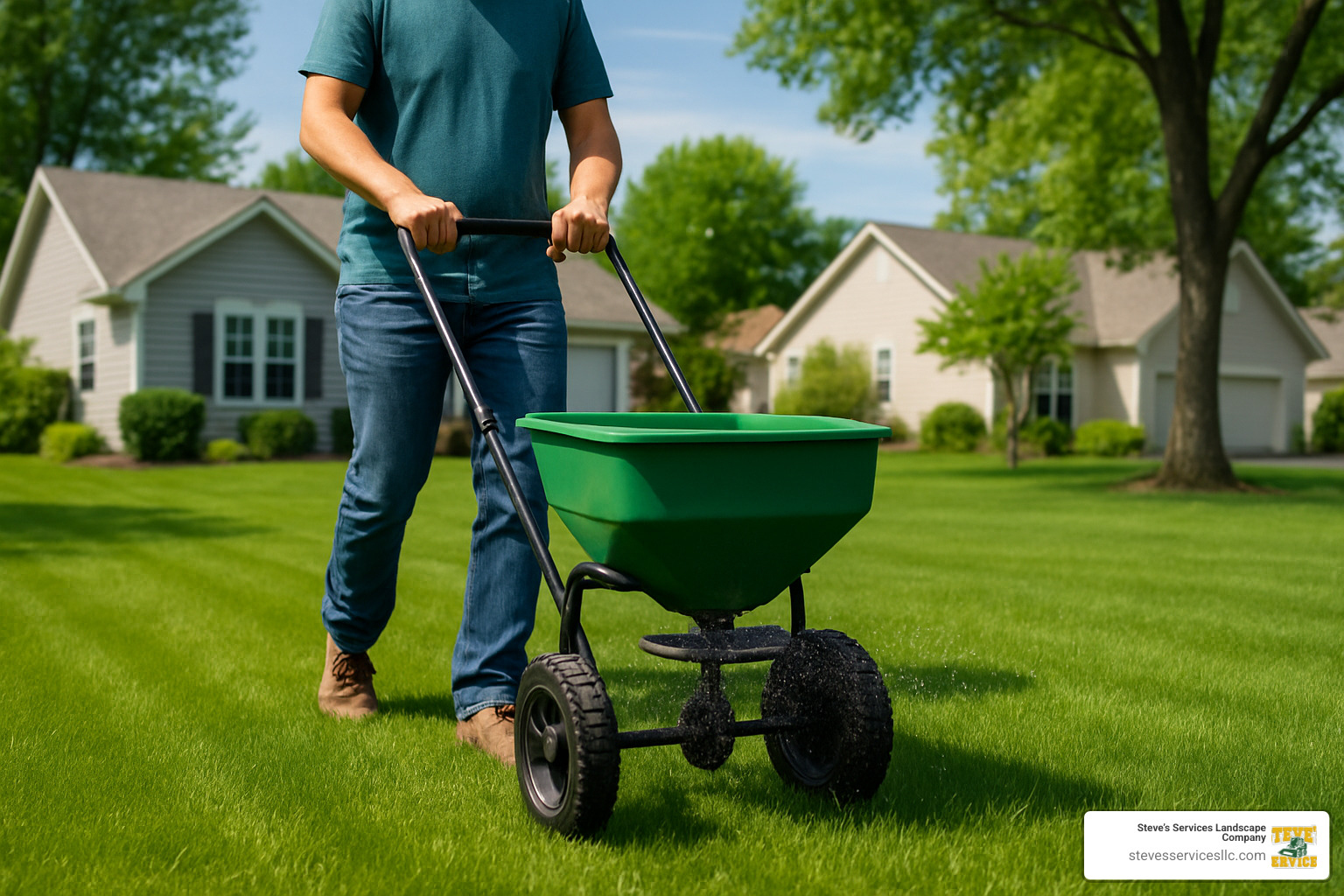
Creating a fertilization schedule that actually works requires understanding what your lawn needs at each stage of the growing season.
Pre-emergent timing in March is your first move of the season. When forsythia bushes start blooming, it’s time to apply crabgrass preventer combined with fertilizer. Soil temperature should be holding steady at 50-55°F.
Post-emergent feeding in April through May delivers the dramatic results most homeowners want to see. Use a high-nitrogen lawn feed fertilizer like 28-0-3 or 32-0-4 to promote thick growth that naturally crowds out weeds.
Summer maintenance requires restraint during June through August. During drought or heat waves, skip feeding entirely.
Fall preparation in September might be the most important application of the year. Your grass is recovering from summer stress and preparing for winter survival.
Overseeding coordination changes your fertilizer choice temporarily. When overseeding thin areas, switch to starter fertilizer with higher phosphorus content.
Common Mistakes to Avoid
Over-application tops my list of fertilizer mistakes. More fertilizer doesn’t create better results – it often causes chemical burn, excessive growth, and environmental problems.
Uneven spreading creates those embarrassing striped patterns of dark and light green grass. Overlap your spreader passes by about 6 inches and maintain consistent walking speed.
Ignoring soil pH wastes money regardless of how much quality fertilizer you buy. Most nutrients become unavailable to grass roots when soil pH gets too high or low.
Poor timing is like watering a dead plant. Fertilizing dormant grass in winter or drought-stressed grass in summer provides almost no benefit.
Skipping cleanup after application wastes product and can cause problems. Always sweep fertilizer granules off sidewalks and driveways back onto the lawn.
Safety, Storage & Environmental Responsibility
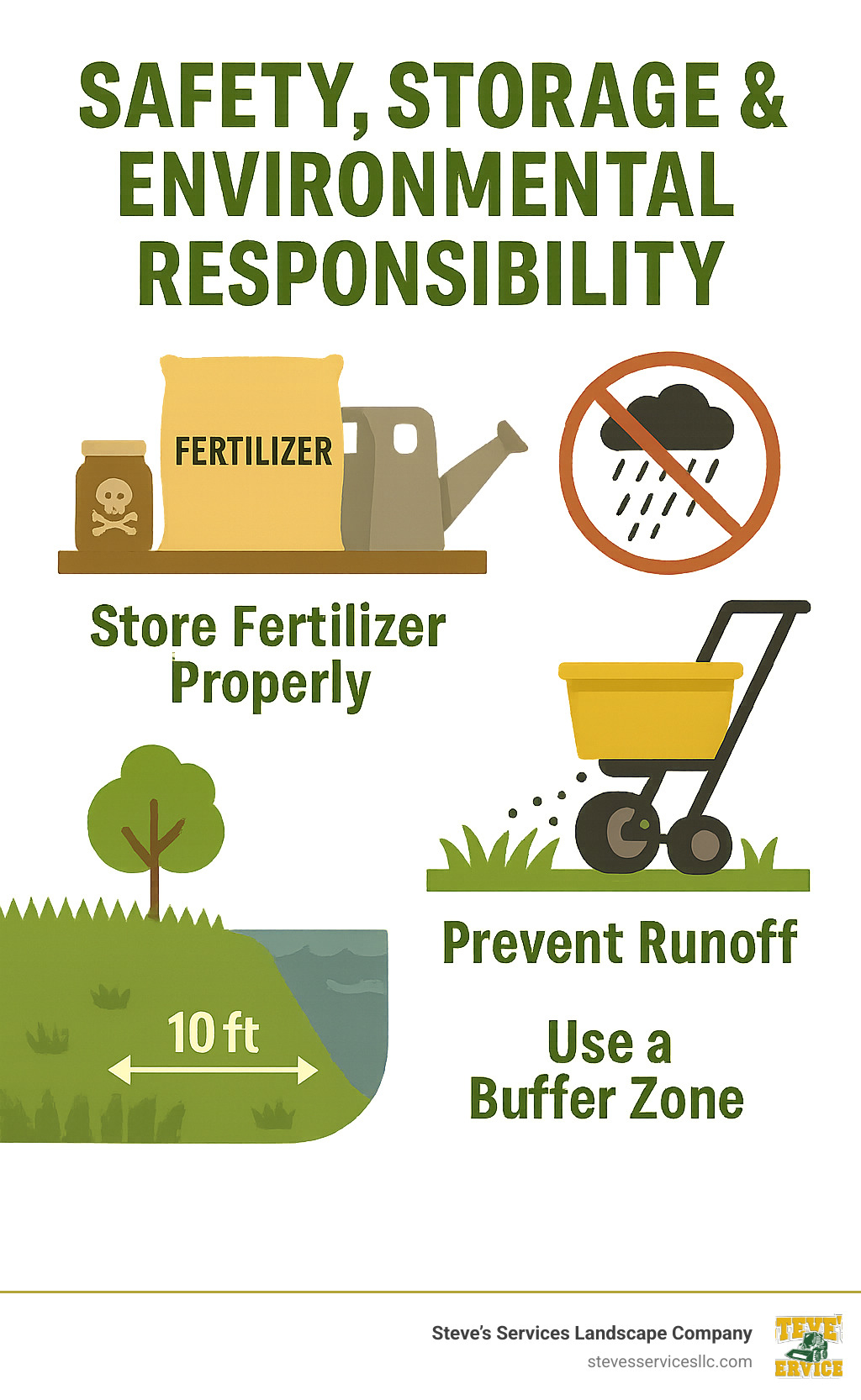
Using lawn feed fertilizer responsibly means protecting your family, pets, and the environment while still getting the beautiful lawn you want. It’s not complicated, but it does require some basic knowledge about proper handling and application.
The biggest environmental concern with fertilizers is runoff prevention. When nutrients wash off your lawn and into storm drains, they can end up in local waterways where they cause algae blooms and fish kills. The good news? This is completely avoidable with smart application practices.
Never apply lawn feed fertilizer right before a heavy rainstorm or on frozen ground where it can’t soak in. Always check the weather forecast – if more than half an inch of rain is expected within 24 hours, wait for better conditions.
Buffer zones are your friend when it comes to water protection. Stay at least 10 feet away from storm drains, streams, ponds, or wetlands when spreading fertilizer.
Here in Massachusetts, many communities have local fertilizer regulations that are stricter than state guidelines. Some towns prohibit phosphorus-containing fertilizers entirely, while others ban applications during winter months. Always check your local ordinances before buying or applying any fertilizer.
Safe storage starts with keeping products in their original containers. Store fertilizers in a cool, dry location like a garage or garden shed, but make sure the area doesn’t freeze or get extremely hot.
Childproofing your storage area is essential, even with organic fertilizers. A locked cabinet or high shelf keeps curious kids from getting into products that could cause stomach upset or skin irritation.
More info about Liquid Lawn Feed covers specific safety considerations for liquid fertilizer applications.
Smart Storage & Disposal of Lawn Feed Fertilizer
Storing lawn feed fertilizer properly isn’t rocket science, but doing it wrong can cost you money and create safety hazards. The key is finding a dry location with stable temperatures where the product won’t break down or become dangerous.
Your garage or garden shed usually works perfectly, as long as it stays dry and doesn’t experience extreme temperature swings.
Keep fertilizers in their original bags whenever possible. If a bag tears, transfer the product to a sealed container but make sure to label it clearly with the contents and application instructions.
Moisture is the enemy of stored fertilizer. It causes clumping, reduces effectiveness, and can even create chemical reactions in some products.
Community hazardous waste days are the best option for disposing of unwanted fertilizers. Contact your local Department of Public Works to find out when these collection events happen in your area.
Never reuse fertilizer containers for storing food, drinks, or other household items. Even after thorough cleaning, chemical residues can remain that could be harmful if ingested.
Frequently Asked Questions about Lawn Feed Fertilizer
How can I tell my lawn actually needs fertilizer?
Your lawn will actually tell you when it’s hungry – you just need to know what signs to look for. The most obvious clue is when your grass starts looking pale yellow or light green instead of that rich, deep color we all want. This usually means your lawn is running low on nitrogen, especially if the yellowing appears evenly across the entire area rather than in random patches.
Another telltale sign is thin, wimpy grass that doesn’t bounce back after you walk on it. Healthy, well-fed grass should recover quickly from foot traffic. If you’re seeing permanent footprints or bare spots developing in high-use areas, your lawn probably needs a nutritional boost.
Here’s something many homeowners don’t realize: increased weed pressure often signals a hungry lawn. When your grass is weak from poor nutrition, weeds move in to fill the gaps. A thick, well-fed lawn naturally crowds out most weeds without any herbicides needed.
The most reliable way to know for sure is through soil testing. While visual cues help, a simple soil test reveals exactly what nutrients your lawn has and what it’s missing. Many Massachusetts extension offices offer inexpensive testing services, and it’s worth doing every 2-3 years or whenever your lawn performance starts declining despite proper watering and mowing.
How often should I fertilize during the year?
The answer depends on your goals and how much effort you want to put into lawn care. For most Massachusetts homeowners with cool-season grasses, 2-4 applications per year will keep your lawn looking great.
If you’re going for the minimum maintenance approach, stick with spring and fall applications using slow-release lawn feed fertilizer. This covers the two times when your grass grows most actively and can actually use the nutrients you’re providing. It’s simple, effective, and won’t break the bank.
Most of our clients prefer a standard program with three applications: early spring, late spring, and fall. This provides more consistent nutrition throughout the growing season and typically produces better results than the bare-minimum approach.
For those wanting golf-course quality, monthly applications during active growth (April through October) using lighter rates can produce amazing results. Just remember that more isn’t always better – you’ll need to reduce application rates if you’re feeding more frequently.
Organic fertilizers generally need more frequent applications because they release nutrients slowly as soil microbes break them down. Plan on 3-5 applications per season with organic products to maintain consistent nutrition.
Can I use lawn fertilizer on garden beds or ornamentals?
This is a great question that many homeowners ask, and the short answer is: sometimes, but be careful. Most lawn feed fertilizers are loaded with nitrogen to promote that thick, green growth we want in grass. However, that same high nitrogen content might not be what your flowers and vegetables need.
Vegetable gardens can definitely benefit from lawn fertilizer early in the season when plants are building their initial leaf structure. But once your tomatoes, peppers, and other crops start flowering, you’ll want to switch to a fertilizer with less nitrogen and more phosphorus to encourage fruit production rather than just more leaves.
Ornamental plants like perennials and flowering shrubs often prefer more balanced nutrition. Too much nitrogen can actually reduce flowering because the plant puts all its energy into producing foliage instead of blooms. If you’ve ever wondered why your roses have gorgeous leaves but few flowers, over-fertilizing with high-nitrogen lawn fertilizer might be the culprit.
Trees are a different story altogether. Mature trees rarely need regular fertilization unless soil tests show specific deficiencies. If you do use lawn fertilizer around trees, apply it at reduced rates and keep it away from the trunk area.
The safest approach is to always check the fertilizer label for approved uses and application rates for different plant types. When in doubt, stick with products specifically formulated for what you’re trying to grow – your plants will thank you for it.
Conclusion
Creating a beautiful, healthy lawn doesn’t have to feel overwhelming once you understand the basics of lawn feed fertilizer. The journey we’ve taken together – from decoding those mysterious N-P-K numbers to timing applications perfectly with Massachusetts seasons – gives you everything needed to make smart decisions about feeding your grass.
Lawn feed fertilizer is just one piece of the puzzle. Think of it as providing the nutrition while proper mowing, consistent watering, and healthy soil create the complete recipe for success. When all these elements work together, you’ll see the dramatic difference a well-fed lawn makes.
Budget shouldn’t be a barrier to great results. Whether you’re working with a $7 basic granular fertilizer for small areas or investing in premium organic options that can cost $145 or more for larger properties, the key is choosing products that match your specific needs. These average internet prices show there’s truly something for every homeowner’s situation and priorities.
After 25+ years of perfecting lawn care across Massachusetts communities, I’ve learned that the most beautiful lawns belong to homeowners who understand their grass’s needs. Whether you’re in Melrose dealing with sandy soil or Winchester managing clay conditions, the principles stay the same – test your soil, choose the right product, time it perfectly, and always put safety first.
The environmental responsibility aspect isn’t just about following rules – it’s about being a good neighbor. When we prevent runoff and choose eco-friendly options, we’re protecting the waterways and communities we all share.
Some homeowners love the hands-on approach of managing their own fertilization program. Others prefer working with professionals who understand local conditions and can handle the technical details. Both paths can lead to excellent results when you apply what you’ve learned here.
More info about lawn feed for new lawn provides additional guidance for those starting fresh with new turf areas.
Your lawn represents more than just grass – it’s where kids play, where you relax after long days, and what visitors notice first about your home. Investing time in understanding lawn feed fertilizer pays back with years of enjoyment and pride in your outdoor space.
