
Licensed home improvement contractors near me: 20 Essential Reasons in 2025
Why Hiring Licensed Home Improvement Contractors Near Me Matters
Licensed home improvement contractors near me are the only choice if you want your home upgrade done right—safely, legally, and without costly surprises.
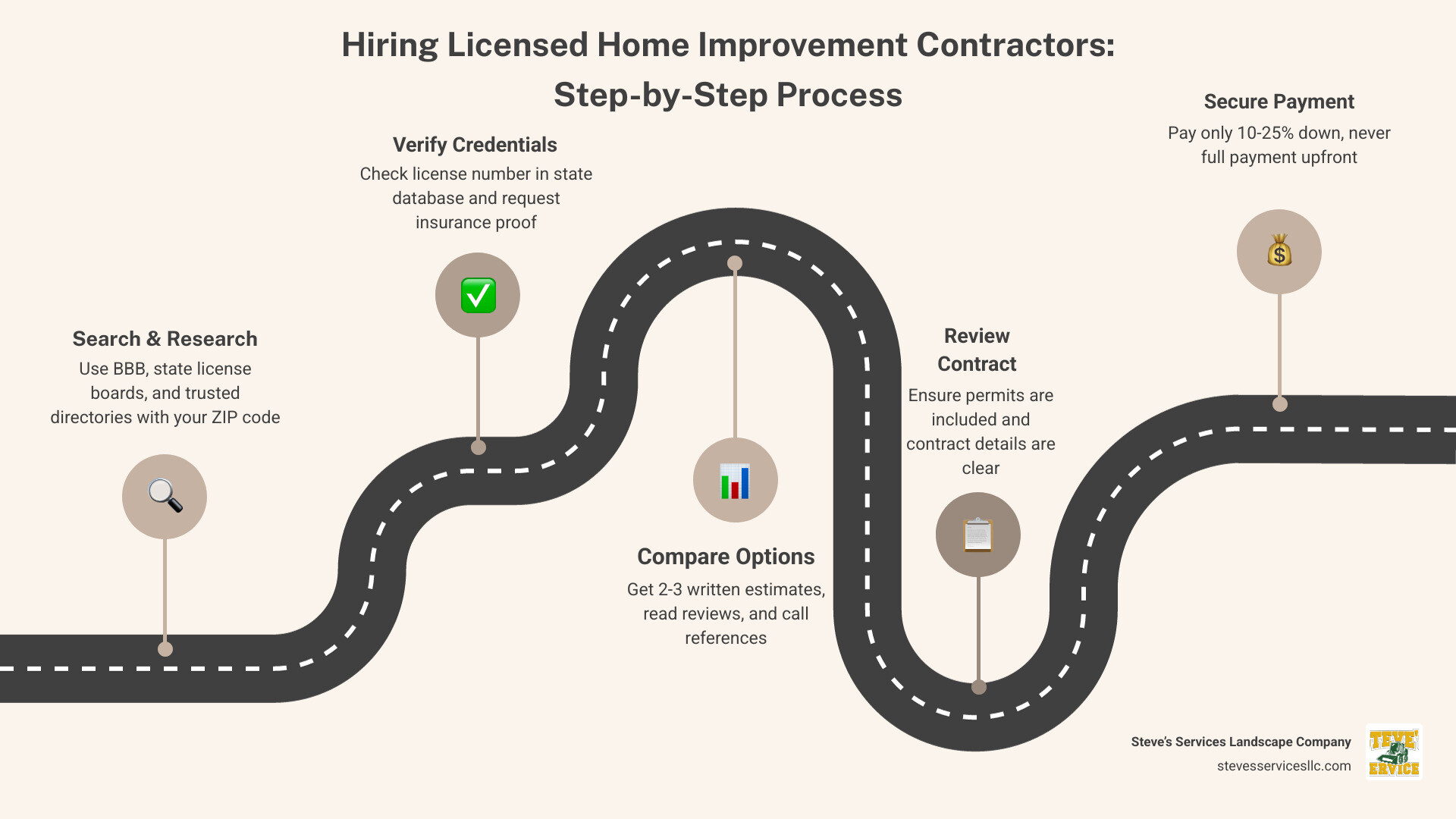
If you just want to hire the best, here’s what to do:
| Step | Action | How |
|---|---|---|
| 1 | Search for “licensed home improvement contractors near me” | Use trusted directories (BBB, state license board, Angi, Contractor Connection), enter your ZIP code |
| 2 | Verify their license & insurance | Ask for their license number, check your state’s online database, request proof of insurance |
| 3 | Compare at least 2-3 contractors | Read reviews, call references, get written estimates |
| 4 | Ask about permits & contracts | Make sure the contractor pulls required permits and gives a clear, written contract |
| 5 | Never pay in full upfront | Standard is 10–25% down (based on internet data, not Steve’s Services pricing) |
Only hire contractors who are licensed, insured, and have a strong local reputation. Unlicensed work can lead to stop-work orders, legal headaches, and unsafe results.
Finding reliable licensed home improvement contractors near me means better results, more protection, and peace of mind for your family and investment. In this guide, you’ll learn why licensing is essential, how to verify credentials, avoid scams, compare bids, and keep your project on track from start to finish.
“When it comes to remodeling your home, finding the right contractors can be daunting.”
— GreatBuildz
My name is Steve Sylva. With over 25 years serving Massachusetts homeowners and property managers, I’ve seen how hiring licensed home improvement contractors near me protects your property, your safety, and your wallet. Let’s explore how you can make the best choice for your next project.
Simple licensed home improvement contractors near me word guide:
What You’ll Learn in This Guide
This comprehensive guide covers everything you need to know about finding and hiring licensed contractors. We’ll walk you through the complete hiring workflow, from initial research to project completion. You’ll learn budgeting basics, how to spot red flags, and what to do if disputes arise. By the end, you’ll have the confidence to make informed decisions that protect your investment and ensure quality results.
Why a License Is Non-Negotiable

When you’re searching for licensed home improvement contractors near me, that license isn’t just a fancy certificate on their wall—it’s your safety net. Think of it as proof that someone has done their homework, passed the tests, and plays by the rules.
A contractor’s license means they’ve met legal requirements set by your state. They’ve demonstrated workmanship standards through testing and experience. Most importantly, they carry proper insurance coverage and provide liability protection that shields you from costly mistakes.
Licensed contractors also help protect your home’s resale value. When it comes time to sell, buyers and inspectors look for work that was done properly and up to code. Plus, if something goes wrong, you have consumer recourse through state licensing boards—something you’ll never get with an unlicensed worker.
Here’s the reality: licensed contractors must pass examinations, meet experience requirements, and keep up with continuing education. This translates directly to better workmanship and safer installations for your family.
Risks of Going Unlicensed
I’ve seen too many homeowners learn this lesson the hard way. Renovation nightmares start small but quickly spiral out of control when unlicensed contractors don’t understand local building codes.
Code violations are incredibly common with unlicensed work. Your city’s building department can issue stop-work orders that bring your project to a grinding halt. Then you’re stuck paying twice—once for the bad work, and again to hire a licensed professional to fix everything.
But the real danger is unsafe workmanship. Unlicensed contractors might mess up electrical installations, compromise structural integrity, or botch plumbing connections. These aren’t just expensive mistakes—they can put your family at risk.
Without proper training, unlicensed workers often use cheap materials or take shortcuts that seem fine at first but cause problems later. You won’t find these issues until it’s too late and much more expensive to fix.
Benefits That Pay Off
The good news? Licensed contractors provide benefits that make the investment worthwhile. Your home will receive a higher appraisal because the work meets code requirements and industry standards. Real estate professionals know the difference, and so do buyers.
Most licensed contractors offer warranties on their work. If something goes wrong six months later, they’ll come back and make it right. Try getting that promise from someone working under the table.
If disputes arise, licensed contractors are subject to dispute arbitration through state licensing boards. You have somewhere to turn for help. Licensed pros are also more likely to install energy-efficient upgrades correctly, potentially qualifying you for rebates and tax credits while cutting your utility bills.
The bottom line? When you search for licensed home improvement contractors near me, you’re not just hiring someone to do work—you’re investing in peace of mind, quality results, and protection for your most valuable asset.
How to Find & Verify Licensed Home Improvement Contractors Near Me
Finding the right licensed home improvement contractors near me doesn’t have to feel overwhelming. The secret is combining several search methods to build a complete picture of each contractor you’re considering.
Start with online directories—they’re your best friend in this process. The Better Business Bureau maintains detailed contractor profiles with ratings from A+ to F, plus complaint histories that tell you how contractors handle problems. Your local building department is another goldmine. They keep lists of contractors who regularly pull permits in your area, which means these pros know the local codes inside and out.
Don’t underestimate the power of asking around. Word-of-mouth referrals from neighbors, friends, and family remain one of the most reliable ways to find quality contractors. When your neighbor raves about their kitchen remodel, pay attention. Online reviews add another layer of insight, but here’s the trick: look for patterns across multiple platforms rather than getting hung up on one bad review.
Here’s what you’ll notice when comparing your options:
| Factor | Licensed Contractor | Unlicensed Contractor |
|---|---|---|
| Cost | Higher upfront, better long-term value | Lower initial bid, higher risk of cost overruns |
| Risk | Low – bonded and insured | High – no recourse for problems |
| Warranty | Typically 1-5 years | Usually none |
| Permits | Handles all permitting | May skip permits entirely |
| Code Compliance | Guaranteed | No guarantee |
The upfront cost difference might make you pause, but licensed contractors deliver real value. They handle the headaches, stand behind their work, and keep you out of legal trouble.
For a deeper dive into what makes contractors worth hiring, check out our comprehensive guide on Home Improvement Contractors Near Me. You can also review the latest research on license look-ups to understand how verification systems work.
Step-by-Step License Check
Here’s where the rubber meets the road. Always start with the license number search—no exceptions. Ask every contractor for their license number upfront. If they hesitate or make excuses, that’s your cue to move on.
Head to your state’s online database and plug in that license number. In California, contractors can be verified through the state licensing tool. Most states have similar systems that show you license status, expiration dates, and any disciplinary actions.
Next, dive into their BBB rating and complaint history. Don’t just look at the grade—read the actual complaints and see how the contractor responded. Did they fix problems quickly? Did they ignore customer concerns? This tells you everything about how they’ll treat you if issues arise.
Finally, verify their bonding status. Bonding provides extra financial protection if your contractor disappears or can’t pay their subcontractors. It’s like an insurance policy for your peace of mind.
Using the Keyword “Licensed Home Improvement Contractors Near Me” in Online Searches
Getting smart with your searches saves time and gets better results. When you search for “licensed home improvement contractors near me”, use geo filters to narrow things down. Most platforms let you enter your ZIP code to find contractors who actually work in your neighborhood regularly.
Try specific searches like “licensed home improvement contractors near Burlington, MA” or “licensed contractors in Everett, MA” instead of generic terms. Mobile search and voice assistants like Siri or Google Assistant make this even easier—just ask “Hey Google, find licensed home improvement contractors near me” and you’ll get location-specific results.
The key is being specific about your location. Contractors who work in your area understand local building codes, permit processes, and even which materials work best in your climate. That local knowledge is worth its weight in gold.
Comparing Contractor Types, Costs & Contracts
Understanding different contractor types helps you choose the right professional for your project. General contractors coordinate entire projects, hiring and managing subcontractors for electrical, plumbing, and other specialized work. They’re required for most major renovations and handle permit applications.
Specialty trades contractors focus on specific systems like roofing, electrical, or plumbing. They’re ideal when you need expertise in one area but don’t require full project management.
Handymen can handle smaller jobs, typically under $600 in many states, without requiring a general contractor license. However, they cannot pull permits or perform work requiring specialized licensing.
Average Pricing & Payment Structures
Based on internet data (not Steve’s Services pricing), general contractors typically charge $50–$150 per hour, with wide variations reaching $200+ per hour for specialized work. Daily rates range from $300–$500, though complex projects may command $800–$1,500 daily.
Project-based pricing often includes a 10%–20% markup on construction costs, though this can range from 8% to 35% depending on project complexity and contractor overhead. Reasonable down payments range from 10%–25% of the total project cost, with the remainder paid through milestone payments.
Note: These are average costs based on internet research and not actual pricing for Steve’s Services.
What to Include in Your Contract
A comprehensive contract protects both you and your contractor. Include detailed scope of work specifying materials, labor, and timeline. List clear start and finish dates with provisions for weather delays or unforeseen circumstances.
Itemized costs should break down labor, materials, permits, and any subcontractor fees. Include a change-order process that requires written approval for any modifications to the original scope. Require lien releases to protect your property from subcontractor claims.
For more guidance on contractor selection, visit our General Home Improvement Contractors page.
Red Flags & Scam Alerts
Be wary of contractors who demand cash-only payments or request full payment upfront. Legitimate contractors accept checks and credit cards, and they understand that payment should be tied to completed work milestones.
Vague quotes that don’t specify materials or labor details often lead to cost overruns. High-pressure tactics, especially door-to-door solicitation after storms, are common scam indicators. Always verify that contractors have a physical business address and can provide local references.
Staying on Budget and on Schedule

Nothing derails a home improvement project faster than runaway costs and endless delays. When you hire licensed home improvement contractors near me, you’re getting professionals who understand the importance of staying on track—but you still need to do your part as a homeowner.
Start by establishing a realistic project timeline with your contractor that includes buffer time for those inevitable surprises. Weather delays happen. Permit approvals sometimes take longer than expected. Hidden damage behind walls can add days to your schedule. Smart contractors build this cushion into their timeline from the start.
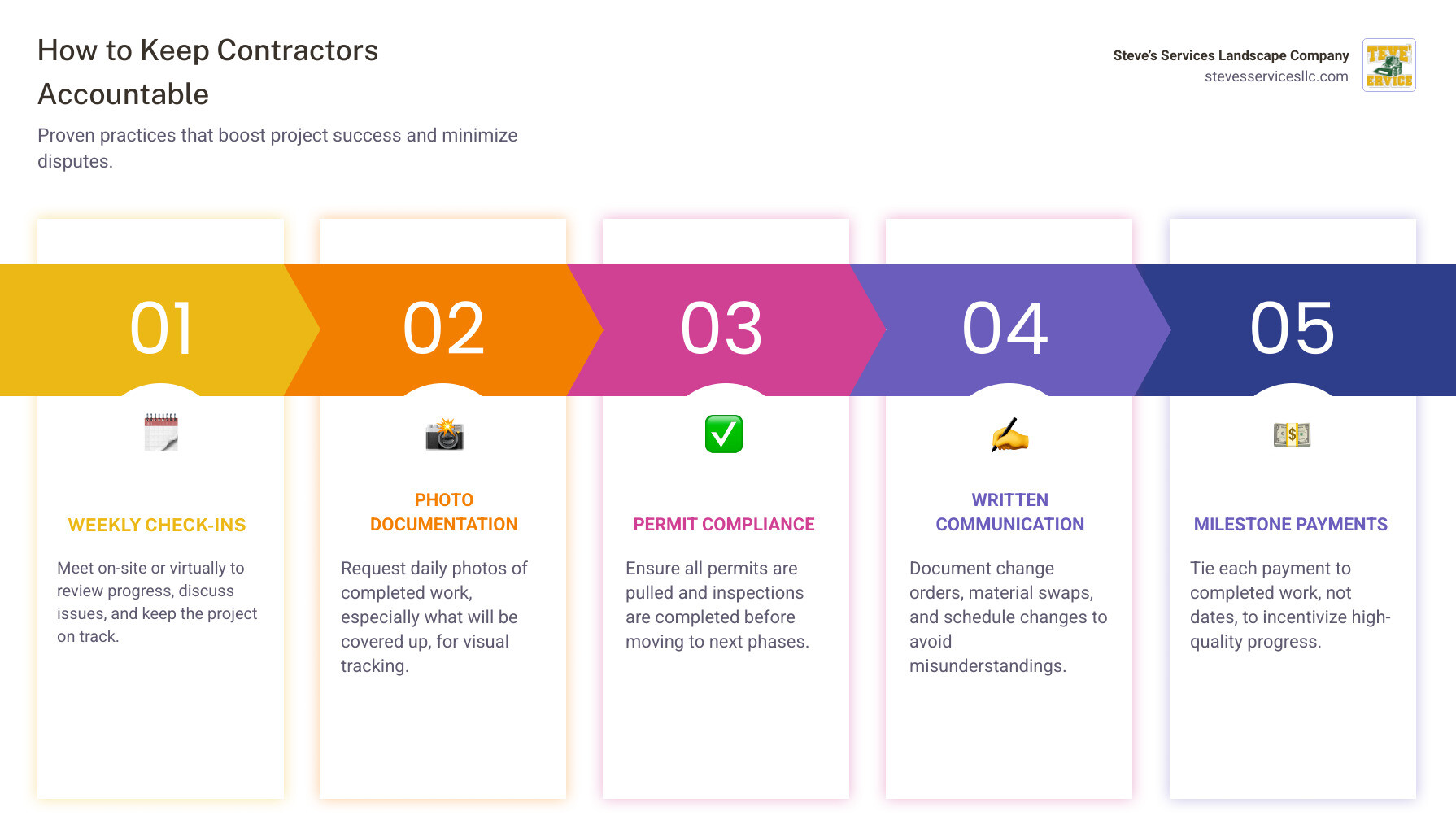
Structure your milestone payments around completed work phases rather than calendar dates. This protects you from paying for work that hasn’t been done yet and motivates your contractor to keep moving forward. Never tie payments to arbitrary dates—tie them to actual progress.
Here’s something many homeowners learn the hard way: always maintain a contingency fund of 10-20% of your project budget. That rotted subflooring nobody expected? The electrical panel that needs upgrading to meet current code? These surprises won’t break your budget if you’ve planned ahead.
Digital tools can be your best friend for staying organized. Simple project management apps help you track progress, store photos, and maintain a communication record with your contractor. Even basic smartphone photos can prevent misunderstandings later.
Keeping “Licensed Home Improvement Contractors Near Me” Accountable
Good contractors welcome accountability—it protects everyone involved. Schedule weekly check-ins with your contractor to review progress and address any concerns before they become problems. These don’t need to be formal meetings; a quick walkthrough and conversation works perfectly.
Request photo logs of work completed each day, especially for work that will be covered by drywall, flooring, or other finishing materials. Once it’s covered, you can’t see if it was done right. Smart contractors already do this to protect themselves from warranty claims.
Make sure all required permits are obtained and inspections are passed before moving to the next phase. This isn’t just bureaucratic red tape—it’s your assurance that work meets safety codes. Licensed home improvement contractors near me handle this process routinely, but stay involved.
Document everything in writing—change orders, material substitutions, timeline adjustments. Text messages and emails count as written communication. This protects both you and your contractor if memory gets fuzzy later.
Resources for Pre-Screened Pros
Several platforms save you time by offering pre-screened contractor matching services. The BBB directory filters contractors by distance, rating, and specialty, making it easy to find qualified professionals in your area. Contractor Connection provides a nationwide network of vetted professionals who come with workmanship warranties.
These matching platforms eliminate the need to verify basic credentials yourself, though you should still check references and get multiple quotes. They’re particularly helpful when you need specialized trades or are working on a tight timeline.
Share this resource on LinkedIn to help others in your network find reliable contractors—paying it forward helps build stronger communities.
Frequently Asked Questions About Licensed Contractors
When you’re searching for licensed home improvement contractors near me, you probably have questions. Let me answer the most common ones I hear from homeowners in Massachusetts.
Do all home improvement projects require a licensed contractor?
Here’s the thing—not every project needs a licensed contractor, but most significant work absolutely does. The general rule is simple: if it involves structural changes, electrical work, plumbing, or HVAC systems, you need a licensed professional. Period.
Many states set licensing thresholds based on project cost. Work over $500 to $1,000 typically requires licensing, though this varies by location. In Massachusetts, for example, any construction project over $1,000 requires a licensed contractor.
Even for smaller projects that technically don’t require licensing, hiring licensed home improvement contractors near me still makes sense. You get better protection, guaranteed code compliance, and peace of mind. When you’re unsure about requirements for your specific project, your local building department can give you a definitive answer.
Think of it this way: would you rather save a few dollars upfront or deal with potential safety issues and code violations later?
How do I verify insurance and bonding?
This is where many homeowners make a crucial mistake. Never just accept a photocopy of an insurance certificate from the contractor. Instead, request certificates of insurance directly from their insurance company. This ensures the policies are current and legitimate.
You need to verify two key types of coverage: general liability and workers’ compensation. For major renovations, policy limits should typically be $1 million or more. Don’t be shy about asking—legitimate contractors expect these requests and provide documentation readily.
Bonding adds another layer of protection. If your contractor fails to complete work or doesn’t pay subcontractors, bonding helps cover your losses. It’s like having a safety net for your investment.
For detailed information about what insurance certificates should include, check out this helpful guide about insurance certificates.
What if a dispute arises during the project?
Nobody wants to think about disputes when starting a project, but smart homeowners plan for this possibility. The key is building dispute resolution into your contract before work begins.
Include a mediation clause that requires both parties to attempt mediation before jumping into expensive litigation. Most disputes can be resolved through honest conversation with a neutral mediator present.
If mediation doesn’t work, you have several options. File a complaint with your state licensing board—many offer arbitration services specifically for contractor disputes. These boards have real power to investigate and take action against licensed contractors who don’t meet their obligations.
For serious issues involving safety violations or outright fraud, contact your state’s consumer protection agency immediately. They can investigate and potentially file charges if laws were broken.
Small-claims court remains an option for financial disputes under your state’s monetary limits. In Massachusetts, you can file claims up to $7,000 in small-claims court, which is faster and less expensive than regular court proceedings.
The bottom line? Hiring licensed home improvement contractors near me gives you multiple avenues for recourse if things go wrong. Unlicensed contractors leave you with far fewer options and much less protection.
Conclusion
After 25 years of working with homeowners across Massachusetts—from Burlington to Woburn, Melrose to Medford—I can tell you this: licensed home improvement contractors near me aren’t just a good idea, they’re your best protection against costly mistakes and safety hazards.
At Steve’s Services Landscape Company, we’ve seen what happens when homeowners cut corners on contractor credentials. The results are never pretty. That’s why we always recommend starting with multiple bids from licensed professionals, taking time to verify every credential through official channels, and never compromising on licensing requirements—even if it costs a bit more upfront.
Think of it this way: that small additional investment in licensed contractors pays huge dividends in safety for your family, quality workmanship, and genuine peace of mind. You’ll sleep better knowing your project was done right the first time.
Whether you’re planning landscape improvements, need expert hardscaping, or want recommendations for other trusted home improvement professionals in our Massachusetts communities, we’re here to help. We know the good contractors from the not-so-good ones, and we’re happy to share that knowledge.
Contact Steve’s Services today for vetted contractor recommendations and expert guidance on your next project. We serve homeowners throughout Everett, Burlington, Danvers, Lynnfield, North Reading, Reading, Revere, Saugus, Stoneham, Winchester, Woburn, Malden, and Wakefield—and we know which contractors in each area do exceptional work.
Here’s the bottom line: when it comes to home improvements, there’s simply no substitute for proper licensing. Your family’s safety and your property’s value are too important to gamble with unlicensed work. Make the smart choice—your future self will thank you.
