Snow Cleaning: 5 Critical Safety Tips
Why Snow Cleaning is Essential for Winter Safety
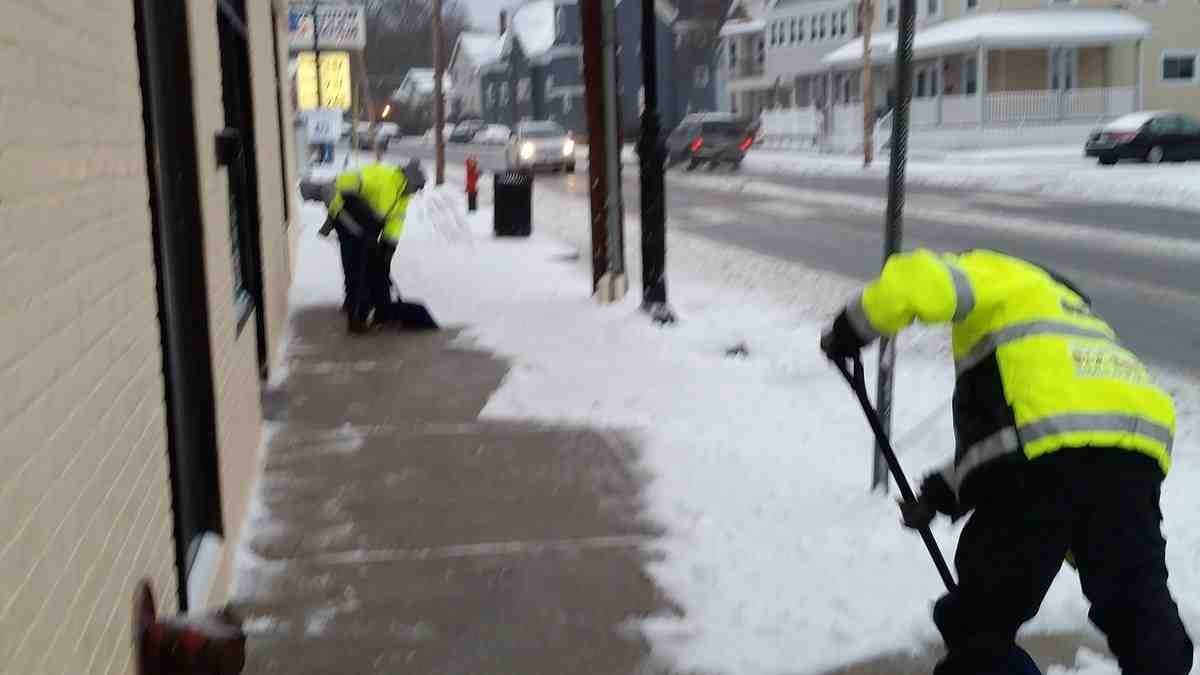
Snow cleaning is the systematic removal of snow and ice from driveways, walkways, and other surfaces to maintain safe access. Key methods include:
- Plowing – Using equipment to push snow to designated areas.
- Snow blowing – Mechanically throwing snow away from cleared surfaces.
- Shoveling – Manual removal with hand tools.
- De-icing – Applying chemicals to melt existing ice and snow.
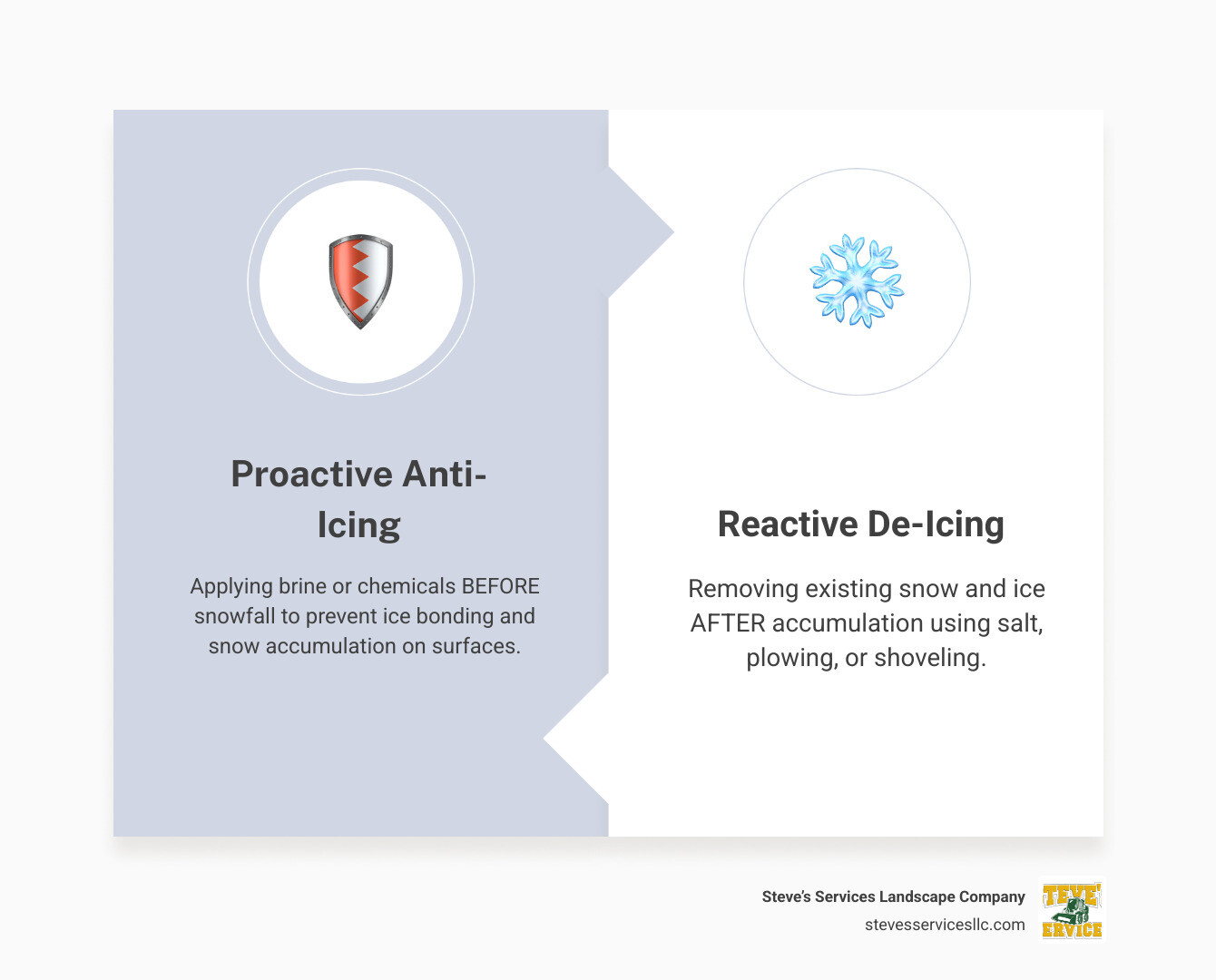
- Anti-icing – Pre-treating surfaces to prevent ice from bonding.
With Massachusetts averaging over 50 inches of snow annually, clear paths are essential for safety and accessibility. Each year, slips on ice and overexertion from shoveling cause thousands of injuries. Manual snow removal carries significant health risks, including back strain and heart attacks, particularly for middle-aged and senior adults.
Effective snow cleaning requires the right approach. Small residential properties might only need shoveling and de-icing, while larger commercial spaces require professional equipment like snow blowers and plows.
I’m Steve Sylva, owner of Steve’s Services. With over 25 years of experience helping Massachusetts property owners with snow cleaning, I know that the right strategy is the difference between a safe property and a dangerous liability.
Snow cleaning terms to remember:
The Science of Snow Removal: Key Methods and Equipment
At Steve’s Services, we approach snow cleaning with a smart plan that blends science with experience to keep your property safe. We rely on a few key methods, each suited for different situations.
- Plowing: The heavy lifter for large spaces like driveways and parking lots. We use powerful trucks with plows to push snow aside quickly and efficiently.
- Snow Blowing: Uses machines to throw snow clear of paths. It’s ideal for walkways, smaller driveways, or areas where there’s no room to push snow.
- De-icing: Our reactive approach for existing ice. We apply products like salt to break the bond between ice and the ground, making it easy to clear or melt away.
- Anti-icing: Our proactive step. Before a storm, we apply a liquid solution (brine) that acts as a non-stick coating, preventing ice from bonding to pavement. This makes removal easier and reduces the need for de-icing later.
We believe in using the right tool for the job. You can learn more in our guide on the best snow removal equipment and our use of recommended anti-icing practices.
Understanding Snow Blower Technology
Snow blowers are game-changers for snow cleaning, but they come in different “stages” for various snow types and property sizes.
- Single-stage snow blowers are best for light snow (up to a foot) on paved surfaces. A single auger scoops and throws snow, but since it touches the ground, it’s not for gravel driveways.
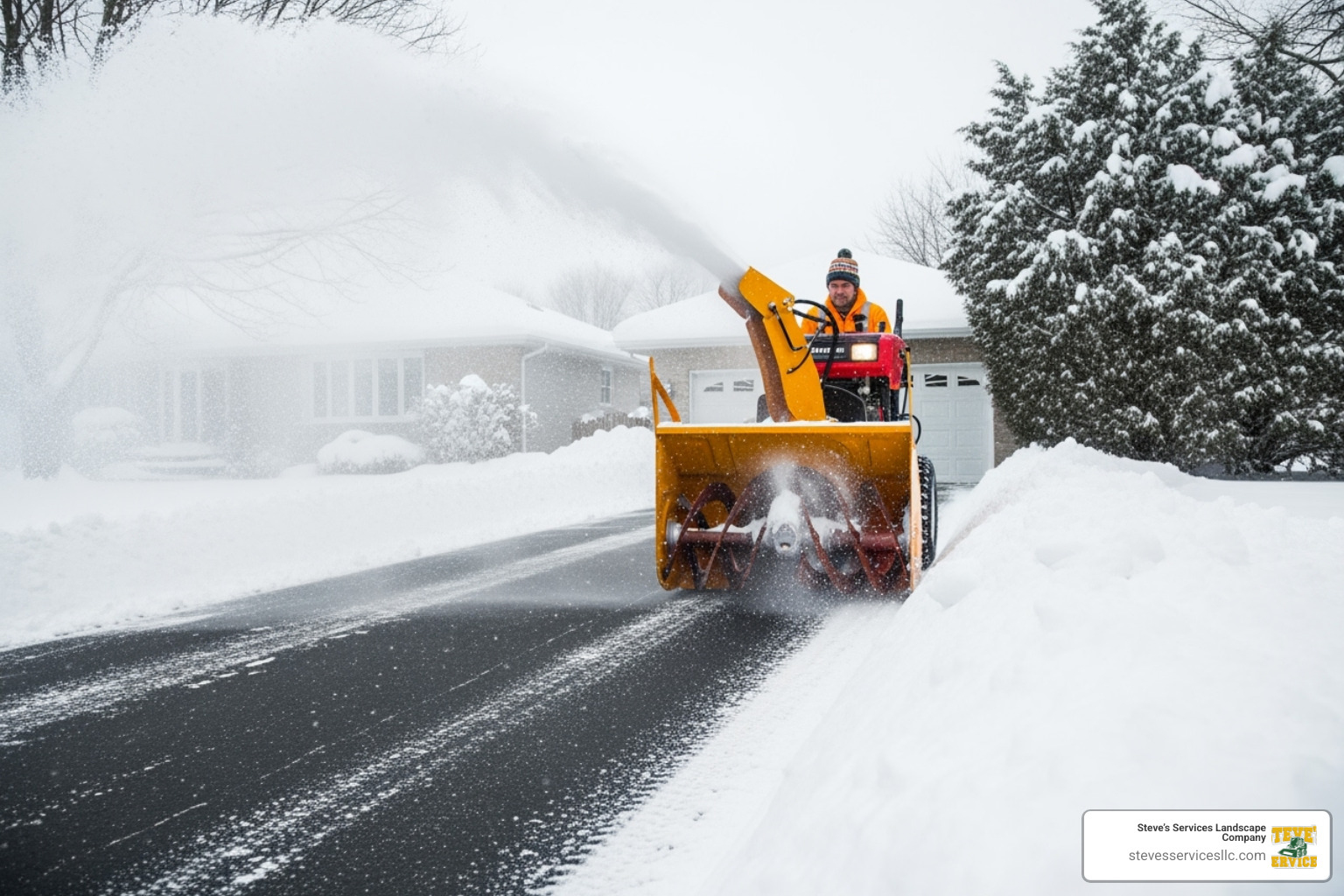
- Two-stage snow blowers are common for homes and small businesses, handling heavy snow up to two feet. An auger gathers snow, and a separate impeller throws it up to 40 feet. They are safe for both paved and gravel surfaces.
- Three-stage snow blowers are for the toughest jobs. An extra auger, or “accelerator,” grinds up heavy, icy snow before the impeller launches it up to 50 feet away. They are built for large properties and extreme weather.
Knowing these differences helps us choose the right tool to clean your property efficiently.
Professional-Grade Tools for Efficient Clearing
Professional snow cleaning requires a fleet of specialized equipment to handle any winter challenge.
Here are some of the tools we use:
- Truck-Mounted Plows: For clearing large parking lots, roads, and long driveways quickly.
- Skid-Steers: Versatile machines with attachments like pushers, buckets, or blowers for tight spots and moving large piles.
- Salt Spreaders: Mounted on trucks to spread de-icing materials evenly over large areas for traction and ice prevention.
- Liquid De-icing Systems: Specialized sprayers for applying anti-icing solutions before a storm to prevent ice bonding.
- Front-End Loaders: Indispensable for hauling away massive amounts of snow, loading it into dump trucks.
- Roof Rakes: Professional-grade rakes to safely remove snow from roofs, preventing ice dams and structural damage.
- Walk-Behind Spreaders: For precise application of de-icing materials on sidewalks and pathways.
- Snow Pushers: Wide, box-shaped attachments for efficiently pushing large volumes of snow in open areas.
With these tools and our experienced team, we provide comprehensive commercial plowing services to keep your business running smoothly.
The Critical Importance of Safety in Snow Cleaning
Snow cleaning can be dangerous. After 25 years in this business, I’ve seen too many people underestimate the risks of clearing snow and ice.

The statistics are sobering. Every winter, thousands end up in emergency rooms from snow cleaning accidents. The most common risks include:
- Heart Attacks: The combination of cold air and physical exertion is a major risk.
- Back Injuries: Often caused by improper lifting or moving too much snow at once.
- Slips and Falls: Icy surfaces can lead to everything from bruises to serious head injuries.
- Frostbite and Hypothermia: Real concerns when working outside in harsh conditions for extended periods.
- Property Damage: Using the wrong equipment can damage driveways, landscaping, and windows.
Research on Snow shovel–related injuries and medical emergencies highlights how serious these risks are.
Mitigating Health Risks from Manual Snow Removal
If you handle snow cleaning yourself, please take these safety measures seriously:
- Protect Your Heart: The cold makes your heart work harder. If you have a history of heart problems, are over 45, or have high blood pressure, consider hiring a professional.
- Use Proper Lifting Techniques: Bend your knees and lift with your legs, not your back. Push snow instead of lifting it when possible. Avoid twisting your body.
- Pace Yourself: Take frequent breaks every 15-20 minutes.
- Stay Hydrated: Drink water regularly, even in cold weather.
- Watch for Warning Signs: Stop immediately and seek medical help if you experience chest pain, shortness of breath, or dizziness.
Best Practices for Effective Snow Cleaning
Smart snow cleaning is about strategy, not just muscle.
- Clear Vehicles Completely: In Massachusetts, it’s legally required to remove all snow from your car’s roof, hood, and windows. Flying snow is a major road hazard.
- Ensure Visibility: Don’t pile snow where it blocks sightlines at intersections or hides fire hydrants. Emergency responders need clear access.
- Prevent Ice Dams: Use a roof rake to remove snow from the lower edges of your roof to prevent melting snow from backing up under shingles and causing water damage.
- Place Snow Strategically: Avoid piling snow against your foundation, which can lead to basement flooding, or over storm drains, which can cause icing and flooding.
For businesses, these concerns are amplified. We have specialized approaches for Minimizing risks for commercial properties to keep everyone safe. The bottom line is that snow cleaning safety is about knowing when to call in the professionals.
The Value of Professional Snow Management
For many, professional snow cleaning isn’t a luxury—it’s an invaluable service that provides peace of mind, safety, and efficiency.

Hiring professionals offers significant advantages:
- Time Savings: Reclaim hours you would have spent in the cold and spend it on what matters to you.
- Efficiency: Our teams use professional-grade equipment to clear snow faster and more thoroughly than is possible with DIY methods.
- Reliability: We track storms and deploy proactively, ensuring your property is safe and accessible, often before your day begins.
- Liability Reduction: Uncleared snow and ice are a major liability risk. Professional services help keep your property safe for family, visitors, or customers.
Consider calling professionals for snow cleaning if you have heavy snowfall, large properties, physical limitations, or a busy schedule. For businesses, professional service is even more critical to ensure employee safety, customer access, and continuous operations. Learn more about Commercial snow removal needs.
Choosing a Reliable Snow Removal Contractor
Selecting the right snow cleaning contractor is a critical decision. Here’s what to look for:
- Insurance and Licensing: Ensure the company is fully insured to protect you from liability in case of accidents or property damage.
- Contracts and Terms: Get everything in writing. Understand the scope of services, service triggers (e.g., snow depth), and what’s included.
- Pricing Structure: Choose between per-event pricing (pay each time they clear) or seasonal contracts (a fixed price for the winter). Seasonal contracts offer budget predictability, while per-event can be cost-effective in light snow years.
- Equipment Quality: A reliable contractor has well-maintained, suitable equipment for various property sizes and tasks.
- Local Reputation and References: Check online reviews and ask for references. A company with a strong local presence, like Steve’s Services in Snow Removal Medford MA, has a vested interest in customer satisfaction.
- Responsiveness and Communication: A good contractor is easy to reach and has a clear communication plan for storm events.
Understanding Snow Removal Costs
One of the first questions we often hear is, “How much does professional snow cleaning cost?” The answer varies, but we can provide general estimates. Please remember, these are average costs based on internet data and not the actual costs for Steve’s Services, as our pricing is customized to your property.
- Per-Push Pricing: For residential driveways, you might see prices from $75 to $250+ per service, depending on driveway size, snow amount, and location.
- Seasonal Contracts: These typically range from $400 to $1500+ for the entire winter, offering a fixed cost no matter how many storms occur.
Several factors influence the final price:
- Property Size and Layout: Larger or more complex properties cost more to clear.
- Snowfall Amount: Heavier snowfalls require more time and effort.
- Services Included: Basic plowing is less expensive than packages that include shoveling, de-icing, or snow hauling.
- Property Type: Commercial properties often have higher costs due to larger areas and stricter accessibility needs.
Always get a detailed quote outlining all services. For a deeper dive into business pricing, see our guide on How to price commercial snow removal.
Navigating Local Rules and Eco-Friendly Practices
Effective snow cleaning involves more than just moving snow; it also means understanding local regulations and environmental responsibilities. This is key to being a good neighbor and protecting our environment.
Homeowner Responsibility and Municipal Guidelines
In many Massachusetts communities, snow cleaning is a legal obligation.
- Sidewalk Clearing: Many towns require homeowners to clear public sidewalks adjacent to their property within a specific timeframe after a storm to ensure pedestrian safety and avoid fines.
- Local Ordinances: Rules often dictate where you can pile snow. It’s illegal to block fire hydrants, storm drains (which prevents flooding), or sightlines at intersections. Check the specific regulations for your town, whether you’re in Everett or Saugus.
- Parking Bans: During snow emergencies, parking bans are declared to allow municipal plows to clear streets curb-to-curb. Vehicles left on the street may be ticketed or towed.
Municipal crews are responsible for public roads, typically prioritizing major routes before moving to residential streets.
The Environmental Side of Snow Cleaning
The chemicals used in snow cleaning can impact the environment. At Steve’s Services, we aim to balance effectiveness with ecological responsibility.
Comparing Common De-icers: Effectiveness, Cost, and Environmental Impact
| De-icer Type | Effectiveness (Temperature Range) | Cost (Relative) | Environmental Impact |
|---|---|---|---|
| Rock Salt (Sodium Chloride – NaCl) | Down to -5°C (23°F), max -7°C (19°F) | Low | High. Corrodes steel, concrete, and asphalt. Toxic to plants and pollutes waterways, harming aquatic life. |
| Calcium Chloride (CaCl2) | Down to -25°C (-13°F) | Moderate-High | Lower than NaCl, but still significant. Less corrosive and works at lower temperatures. Still harmful if overused. |
| Magnesium Chloride (MgCl2) | Down to -15°C (5°F) | Moderate | Lower than CaCl2. Less corrosive and less harmful to vegetation than sodium or calcium chloride. |
| Potassium Chloride (KCl) | Down to -12°C (10°F) | Moderate | Similar to NaCl. Less corrosive to concrete but still harmful to plants and aquatic life. |
| Calcium Magnesium Acetate (CMA) | Down to -7°C (19°F) | High | Low. Biodegradable and less corrosive. Much safer for plants, pets, and waterways. |
| Organic Compounds (e.g., Beet Juice, Cheese Brine) | Improves salt effectiveness, lower freezing point | Moderate-High | Low. Often mixed with salt to reduce overall salt use. Biodegradable and significantly less toxic. |
| Sand/Grit | Provides traction, no melting | Low | Low (for melting). Does not melt ice but provides traction. Can clog storm drains. |
Rock Salt (Sodium Chloride) is the most common de-icer due to its low cost, but it is highly corrosive and damaging to plants and waterways. We are always exploring greener options for snow cleaning.
Alternatives like Calcium Chloride and Magnesium Chloride work at lower temperatures and are generally less corrosive. Organic Compounds, such as beet juice byproducts, can be mixed with salt to improve performance and reduce the total amount of salt needed. Calcium Magnesium Acetate (CMA) is a highly effective, biodegradable, and much less corrosive option, though it is more expensive. Finally, Sand/Grit provides excellent traction without chemicals, though it doesn’t melt ice.
Our team is committed to using the most effective and environmentally responsible snow cleaning methods available to protect your property and our Massachusetts environment.
Frequently Asked Questions about Snow Removal
Here are answers to some of the most common questions we hear about snow cleaning and professional snow removal services.
How often should my property be plowed during a storm?
This depends on the storm’s intensity and your service contract. Many professional services use “triggers,” meaning we dispatch crews to begin snow cleaning once a certain amount of snow has accumulated—often every 2 to 3 inches. This approach keeps your property consistently accessible and prevents heavy build-up.
Will plowing damage my driveway or landscaping?
Professional contractors take great care to protect your property. Our experienced operators use stakes to mark the edges of driveways and walkways before it snows, helping them see boundaries clearly. Reputable companies also carry comprehensive insurance to cover any accidental damage for your peace of mind.
What is the difference between a seasonal contract and per-push payment?
You generally have two payment options for snow cleaning services:
- Seasonal Contract: You pay a fixed price that covers all snow events for the entire winter. This offers excellent budget predictability, as your cost remains the same regardless of how much snow we get.
- Per-Push Payment: You pay each time a service is performed. This can be cost-effective during winters with light snowfall. However, during a heavy snow season, costs can add up and may exceed the price of a seasonal contract.
Choosing between them depends on your preference for a predictable budget versus paying only for services rendered. We can help you decide which option is best for your property.
Your Partner in Winter Safety and Convenience
Ah, winter in beautiful Massachusetts! While it brings picturesque snowscapes, it also brings the undeniable challenge of keeping our properties safe and accessible. We’ve talked a lot about the science behind effective snow cleaning, the different technologies, the critical importance of safety, and even navigating those local rules and eco-friendly practices. It’s a lot to consider, isn’t it?
That’s where a reliable partner makes all the difference. Imagine a winter where you don’t have to worry about the next snowstorm, battling icy driveways, or straining your back with a shovel. A professional service ensures your property remains safe, clear, and welcoming, no matter what Mother Nature throws our way. It’s about enjoying the season without the stress.
Here at Steve’s Services, we pride ourselves on being that trusted partner. With comprehensive and dependable snow cleaning solutions, we’ve got both residential and commercial properties covered throughout the long New England winter. Let us handle the heavy lifting, so you can focus on what matters most.
Ready for a truly worry-free winter? Don’t wait for the first flake to fall! Contact us today to learn more about how our expert snow management programs can bring you peace of mind this season.