Finding the Right Danvers Retaining Wall Builders for Your Property
Danvers retaining wall builders are in high demand – and for good reason. If your yard has a slope, you’ve probably seen what happens after a heavy rain: soil washes away, grades shift, and your landscape starts to look (and function) worse every season.
Here are the key retaining wall services homeowners and property managers in Danvers often need:
| Project Need | Why It Matters | What to Ask Before Hiring |
|---|---|---|
| Structural retaining walls | Stabilizes slopes and helps prevent soil movement | Ask about drainage, base preparation, and engineering needs |
| Decorative garden walls | Adds curb appeal while defining planting areas | Ask which materials fit your home and landscape style |
| Tiered wall systems | Turns steep grades into usable outdoor space | Ask how the contractor will manage water between tiers |
| Drainage improvements | Reduces hydrostatic pressure behind the wall | Ask about gravel backfill, drain pipe, and water discharge points |
| Excavation and grading | Creates a stable foundation for long-term performance | Ask how utilities, access, and soil conditions will be handled |
| Hardscape integration | Connects walls with patios, walkways, steps, and planting beds | Ask for a complete plan that coordinates layout and materials |
There are many landscape contractors offering retaining wall services within 50 miles of Danvers, MA. That’s a lot of options – and it can be hard to know who to trust with a structural project that affects your property’s safety and value.
This guide cuts through the noise. Whether you need a simple decorative garden wall or a full engineered slope retention system, you’ll find everything you need to make a smart decision right here.
I’m Steve Sylva, owner of Steve’s Services Landscape Company, with over 25 years of hardscaping and landscape experience serving communities across the North Shore – including homeowners and property managers looking for dependable danvers retaining wall builders to deliver durable, well-planned results. Let’s walk you through everything you need to know before you hire.
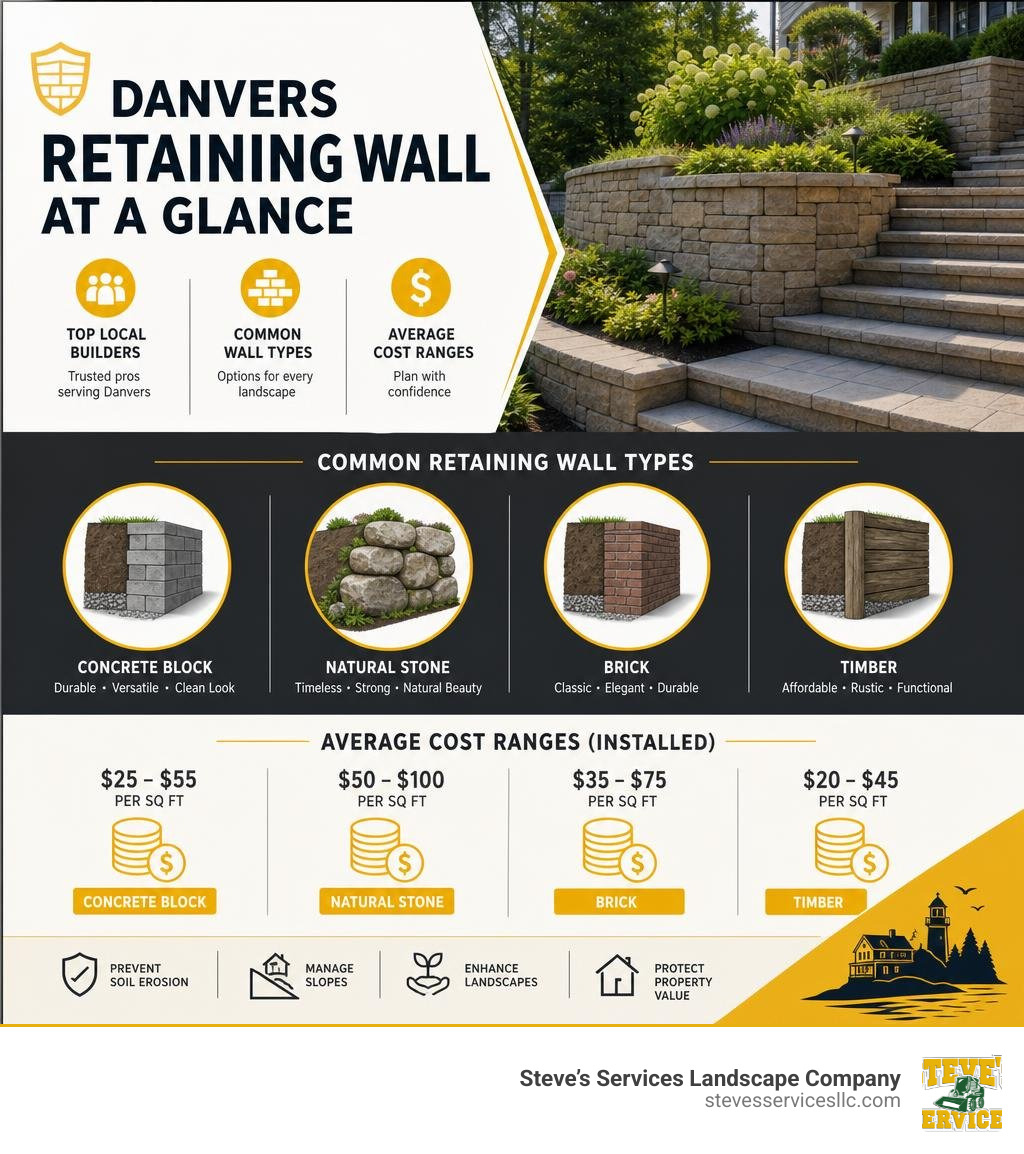
Danvers retaining wall builders word guide:
Why You Need Professional Danvers Retaining Wall Builders
When dealing with New England’s notoriously unpredictable weather, a sloped property can quickly become a homeowner’s nightmare. Heavy spring downpours, freeze-and-thaw cycles in winter, and summer storms can wash away topsoil, compromise building foundations, and turn beautiful lawns into muddy swamps. This is where professional danvers retaining wall builders come into play.
A retaining wall is not just a decorative border; it is a highly engineered structure designed to resist lateral soil pressure. Properly built walls manage water runoff, stabilize steep embankments, and prevent soil sliding. By leveling out uneven terrain, they also create functional outdoor spaces where you can install patios, walkways, or lush gardens.

Attempting to build a retaining wall without professional expertise often leads to structural failure. When walls bulge, lean, or crack, they create hazardous conditions and ruin your curb appeal. Hiring professionals ensures your landscape is structurally sound and visually stunning. For homeowners looking to maximize their property’s potential, consulting experts is the first step. You can read more about how design and engineering come together in our guide on Why You Need Landscape Architects in Danvers and Wakefield.
Popular Materials and Styles for Danvers Landscapes
The architectural character of Danvers, MA, ranges from historic colonial homes to modern suburban builds. To complement these styles, professional builders utilize various materials that offer a balance of aesthetic appeal and structural durability.
When planning your project, choosing the right material is essential. Here is a breakdown of the most common options:
- Segmental Concrete Blocks: Modular, interlocking blocks that are excellent for structural integrity and modern designs.
- Natural Stone: Timeless New England fieldstone or granite that blends seamlessly with the local environment.
- Poured Concrete: Highly durable and ideal for heavy-duty structural retention, though requiring meticulous drainage engineering.
- Brick: Offers a classic, formal aesthetic that coordinates beautifully with traditional brick homes.
- Timber: A rustic, budget-friendly option, though it has a shorter lifespan than masonry.
To help you compare your options, we have compiled a quick reference table showing how these materials stack up:
| Material Type | Estimated Lifespan | Durability | Aesthetic Style | Best Use Case |
|---|---|---|---|---|
| Segmental Block | 50+ Years | High | Modern / Uniform | Sloped yards, tiered walls |
| Natural Stone | 100+ Years | Extremely High | Classic New England | Front yard features, gardens |
| Poured Concrete | 50+ Years | Extremely High | Industrial / Modern | Severe slopes, high-load areas |
| Timber | 15-20 Years | Medium | Rustic / Natural | Low-height garden borders |
Choosing the right material depends on your soil type, slope severity, and personal style preferences. To explore these options in greater detail, check out our dedicated page on Retaining Walls.
Segmental Block Walls Built by Danvers Retaining Wall Builders
Segmental retaining walls (SRWs) are incredibly popular throughout the North Shore. These systems rely on interlocking, dry-stacked concrete blocks that shift slightly with the earth’s natural movements, making them highly resilient against New England’s harsh winter frosts.
Because they do not require mortar, segmental walls drain exceptionally well and can be built to significant heights when properly reinforced with geogrid. If you are exploring design ideas or looking to understand common retaining wall styles in the area, the directory of Retaining Wall Construction Companies in Danvers – Houzz can be a helpful resource for viewing local project inspiration and material choices.
Natural Stone Masterpieces
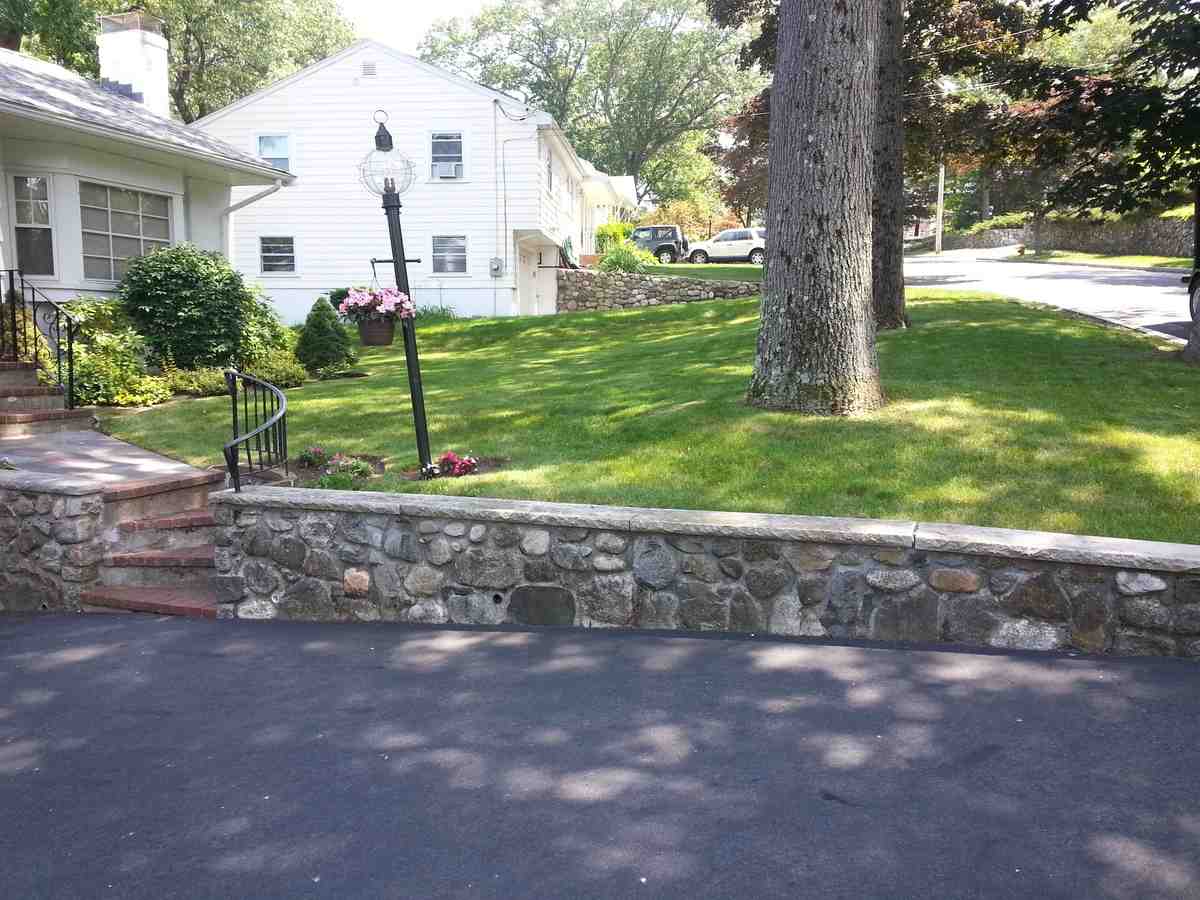
For homeowners who want to capture the authentic, rugged charm of coastal Massachusetts, natural stone is the gold standard. Utilizing native granite, fieldstone, or bluestone, skilled masons hand-chisel and fit each piece together.
Whether you opt for a dry-stacked stone wall that allows natural drainage or a mortared stone wall for a polished, formal look, natural stone adds unmatched character and value to your home. These walls look like they have been part of the landscape for centuries and only grow more beautiful as they age.
Engineering, Drainage, and Local Regulations in Danvers
The number one enemy of any retaining wall is not the weight of the soil itself—it is water. When rain falls or snow melts, water accumulates behind the wall. This buildup creates immense hydrostatic pressure that can easily push a wall forward, causing it to bow, crack, or completely collapse.
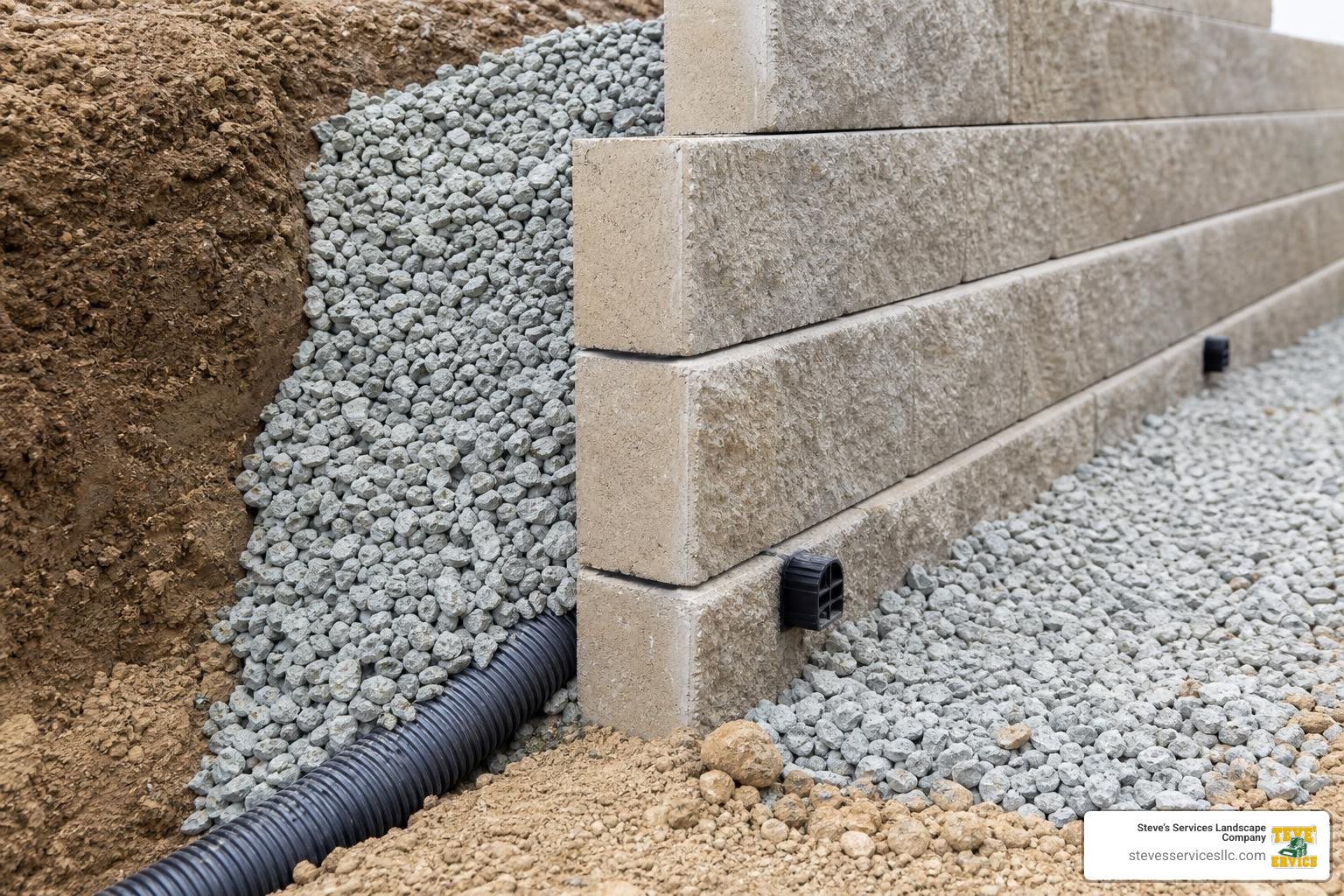
Professional danvers retaining wall builders prevent this by implementing robust drainage systems. This includes:
- Gravel Backfill: Placing a thick layer of crushed stone directly behind the wall to allow water to flow downward quickly.
- Perforated Drain Pipes: Installing a pipe at the base of the wall to collect water and channel it safely away from the structure.
- Weep Holes: Creating small openings near the bottom of mortared walls to allow trapped water to escape.
Before any excavation begins, proper site preparation is required. Working with a licensed Excavation Contractor Danvers, MA ensures that underground utilities are marked, soil is properly graded, and the foundation trench is dug to the precise depth required for structural stability.
Hiring Licensed Danvers Retaining Wall Builders
In Massachusetts, structural projects require strict adherence to state and local building codes. Any retaining wall that stands over 4 feet tall typically requires a building permit, detailed structural engineering plans, and sign-offs from local inspectors.
When hiring a contractor, always verify that they hold a valid Home Improvement Contractor (HIC) license and carry comprehensive liability and workers’ compensation insurance. Working with credentialed professionals protects you from liability and ensures your project complies with all local zoning laws. For a deeper look into selecting the right team, read our guide, Beyond the Slope: Your Guide to Retaining Wall Contractors in Reading, MA.
Cost and Timeline Expectations for Retaining Wall Projects
When budgeting for your landscape transformation, it is important to understand the typical cost structures.
Please note: The pricing figures listed below are internet-based averages across the North Shore region as of June 2026. They are intended for general planning purposes and do not represent specific quotes for Steve’s Services.
On average, a retaining wall installation costs approximately $8,000. However, depending on the scope, height, and materials used, projects can range from a modest $3,000 for simple garden borders to upwards of $35,000+ for high-end, custom engineered masonry systems on steep terrains.
The timeline for a typical retaining wall installation spans 1 to 2 weeks, broken down into these key phases:
- Site Preparation & Excavation (Days 1-3): Clearing vegetation, grading the slope, and digging the foundation trench.
- Base Installation (Days 3-4): Laying and compacting the gravel base, which is critical for preventing settling.
- Wall Construction (Days 5-8): Stacking blocks or laying stone, installing drainage pipes, and backfilling with gravel.
- Finishing & Cleanup (Days 9-10): Adding capstones, final grading, and restoring the surrounding lawn.
To find local expertise for your upcoming project, you can search for a qualified Hardscape Contractor Near Me and schedule a consultation with a professional team that understands grading, drainage, excavation, and long-lasting wall construction.
Frequently Asked Questions About Retaining Walls
Do I need a permit for a retaining wall in Danvers, MA?
Yes, in most cases, a building permit is required if the retaining wall is 4 feet or taller from the bottom of the footing to the top of the wall. Additionally, if the wall is supporting a surcharge (such as a driveway, slope, or building structure nearby), you will need engineered plans regardless of the height. Always check with the Danvers Building Department before starting construction.
How long does a typical retaining wall installation take?
Most residential retaining wall projects take between 1 and 2 weeks to complete. The exact timeline depends on the height and length of the wall, site accessibility, the material chosen, and weather conditions. Severe slopes requiring extensive excavation or complex tiered designs may take longer.
What are the signs that a retaining wall needs to be replaced?
You should look out for several warning signs of structural failure:
- Bulging or Bowing: The wall is leaning forward, indicating that hydrostatic pressure or soil weight is overloading the structure.
- Cracking Mortar: In brick or stone walls, cracking mortar joints suggest the wall is shifting or settling unevenly.
- Soil Separation: Gaps appearing between the soil and the back of the wall indicate poor compaction or drainage failure. If you notice these signs, it is crucial to consult a professional builder immediately to prevent a sudden collapse.
Conclusion
A well-constructed retaining wall is an investment that pays off in both beauty and peace of mind. By choosing experienced danvers retaining wall builders, you protect your property from erosion, manage water runoff, and unlock the full potential of your outdoor living spaces.
At Steve’s Services Landscape Company, we bring over 25 years of hardscaping and masonry expertise to homeowners across the North Shore. From initial design and excavation to the final capstone, we pride ourselves on building walls that stand the test of time.
Ready to transform your sloped yard into a functional masterpiece? Contact Steve’s Services today to schedule your free consultation!